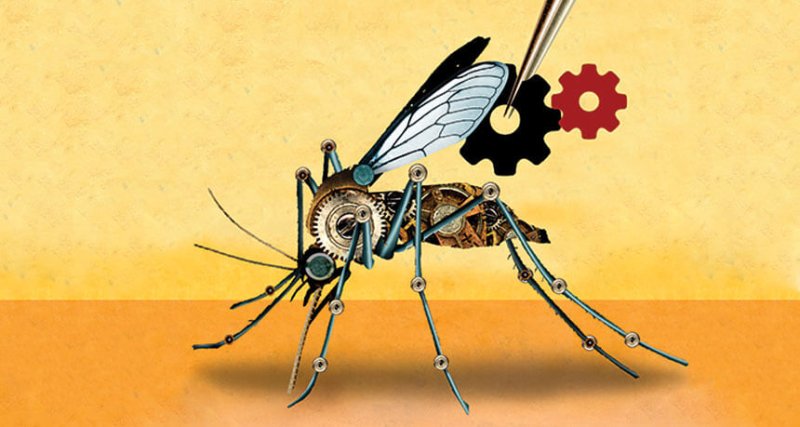
Florida Keys officials have voted to allow the experimental release of millions of genetically modified mosquitoes into a yet-to-be-decided area of the island chain.
The trial’s aim is to significantly reduce or eliminate the local population of Aedes aegypti mosquitoes, which are known to spread deadly diseases like Zika, chikungunya and Dengue fever. The five member board of the Florida Keys Mosquito Control District voted 4-1 during an online meeting [August 18] to allow international biotechnology company Oxitec to release the bugs.
The vote came as the Upper Keys deals with an outbreak of Dengue that has impacted primarily the Key Largo area. Forty-seven people have been infected so far this year, all of whom have recovered, according to state health officials.
[Although these altered mosquitoes were not developed with gene drive technology, they have become wrapped into the debate over the science and safety debate on gene drives. Here is a GLP guide on gene drives: Is there a scientific basis to ban gene drive technology that can rid us of virus-carrying rodents and mosquitoes?]…
Boxes containing millions of male genetically altered eggs will be placed somewhere in the Keys. Water is added, and the male bugs will fly among the local population of Aedes aegypti mosquitoes and mate with the females.
A “death mechanism” designed into the lab-created mosquitoes is meant to ensure no viable offspring will result from the mating, according to Oxitec. After a period of time, Oxitec says the local Aedes aegypti population will either be eradicated or greatly reduced.It is scheduled to begin some time in 2021. State and federal regulators approved the plan earlier this year.
…

John Timura, a local business owner and backcountry angler, accused the board of using the public’s focus on the COVID-19 pandemic to approve the program. … “There is no empirical scientific data to show this experiment is safe,” said [Jack Stein Grove, a marine biologist].
…
Susan May, a Key Largo physician, said many people speaking out against the idea do not understand what’s at stake. “Their interpretation of scientific literature may be lacking,” May said.