‘Anybody could be my sibling’: How poor regulation of US fertility industry leads to accidental incest

oliverio
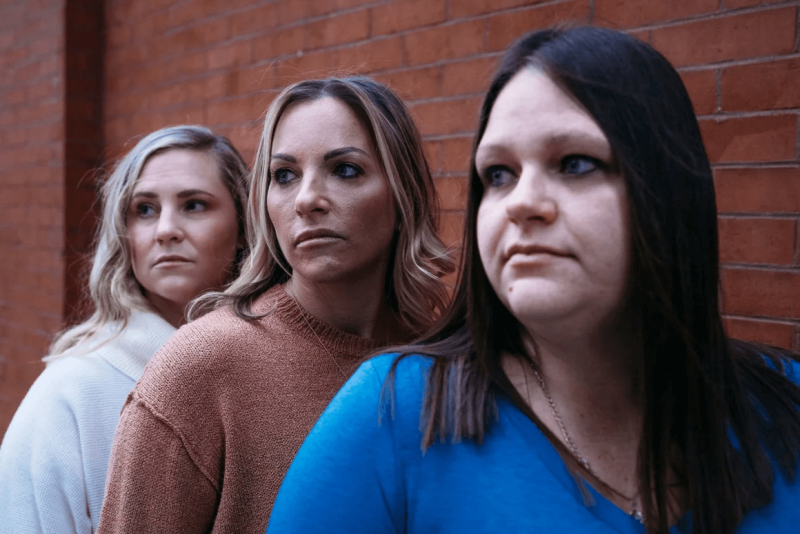
Half-sisters Alyssa Denniston, Victoria Hill and Janine Pierson pose for a portrait in Hartford, Connecticut. The three of them say they — and at least 20 others — all share a biological father, Dr. Burton Caldwell. Credit: Laura Oliverio/CNN

Worried about a health issue, and puzzled because neither of her parents had suffered any of the symptoms, [Victoria] Hill purchased a DNA testing kit from 23andMe a few years ago and sent her DNA to the genomics company.

What should have been a routine quest to learn more about herself turned into a shocking revelation that she had many more siblings than just the brother she grew up with – the count now stands at 22.

Follow the latest news and policy debates on sustainable agriculture, biomedicine, and other ‘disruptive’ innovations. Subscribe to our newsletter.

Hill’s biological father was not the man she grew up with but a fertility doctor who had been helping her mother conceive using donated sperm. That doctor, Burton Caldwell, a sibling told her, had used his own sperm to inseminate her mother, allegedly without her consent.

But the most devastating revelation came this summer, when Hill found out that one of her newly discovered siblings had been her high school boyfriend – one she says she easily could have married.

“I was traumatized by this,” Hill told CNN in an exclusive interview. “Now I’m looking at pictures of people thinking, well, if he could be my sibling, anybody could be my sibling.”


This is an excerpt. Read the full article here

{{ reviewsTotal }}{{ options.labels.singularReviewCountLabel }}
{{ reviewsTotal }}{{ options.labels.pluralReviewCountLabel }}
{{ options.labels.newReviewButton }}
{{ userData.canReview.message }}

Related Articles

Infographic: Global regulatory and health research agencies on whether glyphosate causes cancer

Infographic: Global regulatory and health research agencies on whether glyphosate causes cancer

Does glyphosate—the world's most heavily-used herbicide—pose serious harm to humans? Is it carcinogenic? Those issues are of both legal and ...

Most Popular

Screenshot-2026-04-22-at-12.21.32-PM
Viewpoint: Why the retracted Monsanto glyphosate study doesn’t change the science—the world’s most popular herbicide is safe 
Picture1
The FDA couldn’t find a vaccine safety crisis, so it buried its own research
ChatGPT-Image-Apr-16-2026-02_56_53-PM
Financial incentives, over diagnosis, and weak oversight: Autism claims are driving up Medicare costs
global warming
‘Implausible’: Top climate scientists reject worst-case scenario—soaring temperatures and fast-rising sea levels
cousin
Marrying your cousin: Might it provide some evolutionary benefits?
ChatGPT-Image-May-1-2026-11_42_59-AM-2
Viewpoint: NAD is the wellness grifters latest evidence-lite longevity fad. At least the mice are impressed.

Sorry. No data so far.

glp menu logo outlined

Get news on human & agricultural genetics and biotechnology delivered to your inbox.