Podcast: Indigenous people have been using biochar to fertilize soil for centuries. Could renewing this practice be a lasting solution for carbon sequestration?

screenshot pm
Credit: American Farmland International

Mary Louise Kelly, host: Reducing emissions from farming will be key to meeting this country’s climate goals. Agriculture is the fifth largest source of greenhouse gas emissions in the U.S. One climate-friendly growing technique called biochar involves literally burying carbon in the ground.

Follow the latest news and policy debates on sustainable agriculture, biomedicine, and other ‘disruptive’ innovations. Subscribe to our newsletter.

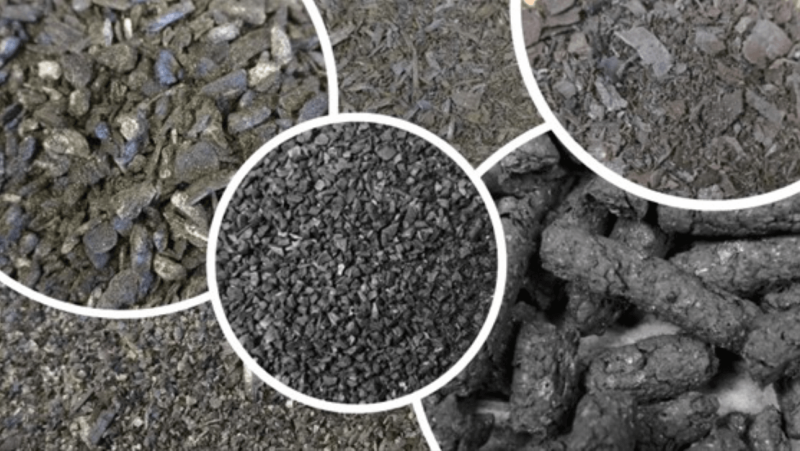
Kate Grumke: Biochar – it’s a soil amendment, kind of like compost. And it’s a super-hot topic in sustainable agriculture. It looks a lot like charcoal. Instead of burning the organic matter, it’s cooked at a high temperature with almost no oxygen. As [farmer Nick] Cuchetti pours the biochar onto vegetable beds, you can hear what makes this substance special. It’s extremely hollow and porous.

Biochar is a direct way to sequester carbon dioxide, which is driving climate change. But there’s a lot more to the climate-friendly practice. Biochar proponents say it creates a sustainable cycle of benefits on farms – recycling organic waste like cornstalks to make soil healthier and bury carbon.

Indigenous people in the Americas have been using something like biochar for centuries. They would burn agricultural waste and put it back in the soil.

Research chemist Isabel Lima: And look very deep in the soil in the Amazon, for example, and we determined that those soils that we would otherwise expect to be very infertile are actually very fertile because of those practices.


This is an excerpt. Read the original post here

{{ reviewsTotal }}{{ options.labels.singularReviewCountLabel }}
{{ reviewsTotal }}{{ options.labels.pluralReviewCountLabel }}
{{ options.labels.newReviewButton }}
{{ userData.canReview.message }}

Related Articles

Infographic: Global regulatory and health research agencies on whether glyphosate causes cancer

Infographic: Global regulatory and health research agencies on whether glyphosate causes cancer

Does glyphosateโ€”the world's most heavily-used herbicideโ€”pose serious harm to humans? Is it carcinogenic? Those issues are of both legal and ...

Most Popular

Screenshot-2026-04-22-at-12.21.32-PM
Viewpoint: Why the retracted Monsanto glyphosate study doesnโ€™t change the scienceโ€”the worldโ€™s most popular herbicide is safeย 
ChatGPT-Image-Apr-16-2026-02_56_53-PM
Financial incentives, over diagnosis, and weak oversight: Autism claims are driving up Medicare costs
Picture1
The FDA couldnโ€™t find a vaccine safety crisis, so it buried its own research
global warming
โ€˜Implausibleโ€™: Top climate scientists reject worst-case scenarioโ€”soaring temperatures and fast-rising sea levels
ChatGPT-Image-May-1-2026-11_42_59-AM-2
Viewpoint: NAD is the wellness grifters latest evidence-lite longevity fad. At least the mice are impressed.

Sorry. No data so far.

glp menu logo outlined

Get news on human & agricultural genetics and biotechnology delivered to your inbox.