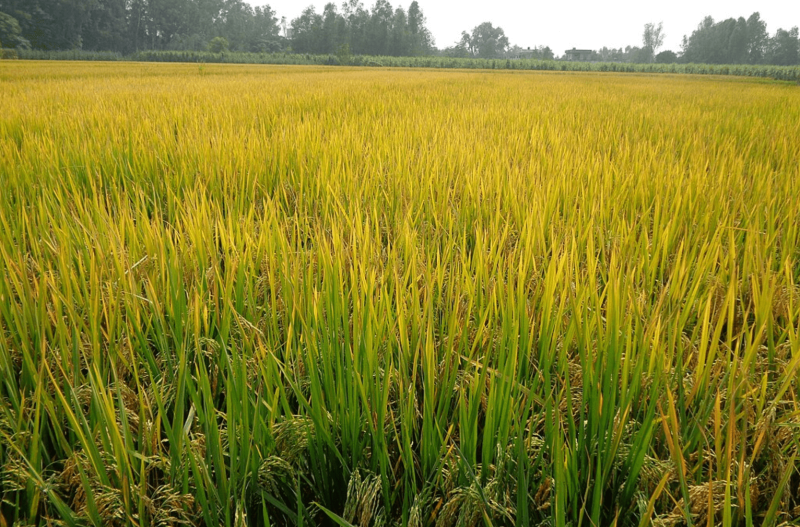
In a significant stride towards bolstering food security amid escalating climate challenges, researchers at the Indian Agricultural Research Institute (IARI) and the Indian Institute of Rice Research (IIRR), both operating under the Indian Council of Agricultural Research (ICAR), have developed two genome-edited rice varieties, named DRR Dhan 100 (Kamala) and Pusa DST Rice 1. These varieties aim at enhancing yield and resilience against environmental stresses.
…
For instance, Pusa DST Rice 1 and DRR Dhan 100 (Kamala) were developed to tolerate harsh conditions such as drought and saline soils, which are common in many Indian farming regions. Kamala, derived from the popular Samba Mahsuri rice, also has improved grain numbers and reduced environmental impact, according to the scientists.

The release of these genome-edited rice varieties has garnered attention from various stakeholders in the agricultural sector. While many experts view this development as a positive step towards sustainable agriculture, some have raised concerns about the long-term implications and regulatory oversight of genome editing technologies.