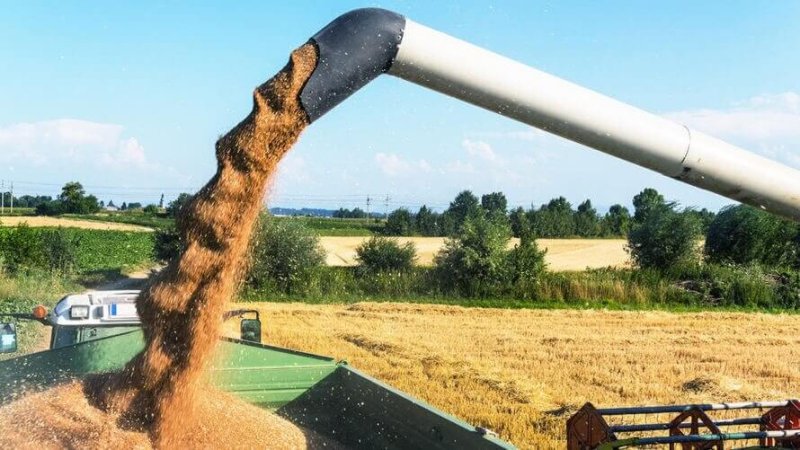
In recent years, genetically modified organisms (GMOs) have become one of the most pivotal agricultural innovations, profoundly transforming the way food is produced and managed worldwide. With global populations on the rise and climate change introducing unprecedented challenges to farming and food security, the benefits of GMOs in agriculture are more significant than ever.
…
One of the most important benefits of GMOs in agriculture is the ability to increase crop yields. By genetic modification, plants are engineered to possess traits such as pest resistance, herbicide tolerance, and improved nutrient use efficiency.
- Pest Resistance: For example, Bacillus thuringiensis (Bt) corn is engineered to produce a natural insecticide protein that targets specific pests like the corn borer. This naturally reduces insect damage and the need for chemical pesticides.
- Herbicide Tolerance: Crops such as GM soybeans and maize are made tolerant to broad-spectrum herbicides, allowing farmers to effectively manage weeds with fewer applications and less soil disturbance.
With the global population projected to surpass 8 billion by 2025, boosting crop yields is paramount. GMOs address this food security need by minimizing losses from pests and diseases, encouraging more stable harvests.
- Bt Corn: Studies show that Bt corn yields are consistently significantly higher than non-GMO varieties, especially in areas with high pest pressure.
- Lower Losses: Less damage from insects translates to more of the harvested crop being fit for food or processing, directly enhancing overall food availability.
This is an excerpt. Read the original post here