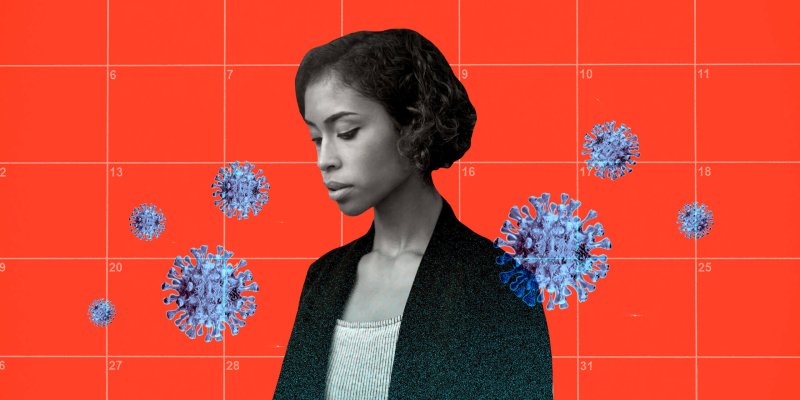
There are still no approved and effective therapies for thousands of ‘long haul’ COVID patients

Credit: The Today Show
[A] study, published in February in the journal JAMA Network Open by researchers at the University of Washington, suggests that around 30 percent of COVID patients may experience ongoing problems that range in severity—such as fatigue, loss of taste or smell, and trouble breathing—at least four weeks after they no longer test positive for the infection. Some people reported symptoms months later.

Follow the latest news and policy debates on sustainable agriculture, biomedicine, and other ‘disruptive’ innovations. Subscribe to our newsletter.

Lacking established therapies specifically for long COVID symptoms, physicians are feeling their way through treatment protocols, mostly relying on approaches that have been used successfully in other ailments with similar symptoms.

A patient diagnosed with post-exertional malaise, a type of fatigue caused by mental or physical activity, will undergo a series of heart and lung tests and get a blood panel analysis to evaluate their electrolyte, vitamin and thyroid levels.

The idea is to rule out other contributing medical conditions before putting the patient on a rehabilitative exercise regime. Neurological stimulants such as Adderall, Dexedrine and Ritalin have proved effective at improving energy and focus. Albuterol—an inhaled medicine frequently used to treat asthma—inhaled steroids and breathing exercises have improved breathing.

Finding the right treatment is a learning process, and resources remain scarce.

This is an excerpt. Read the original post here.

{{ reviewsTotal }}{{ options.labels.singularReviewCountLabel }}
{{ reviewsTotal }}{{ options.labels.pluralReviewCountLabel }}
{{ options.labels.newReviewButton }}
{{ userData.canReview.message }}

Related Articles

Infographic: Global regulatory and health research agencies on whether glyphosate causes cancer

Infographic: Global regulatory and health research agencies on whether glyphosate causes cancer

Does glyphosate—the world's most heavily-used herbicide—pose serious harm to humans? Is it carcinogenic? Those issues are of both legal and ...

Most Popular

Screenshot-2026-04-22-at-12.21.32-PM
Viewpoint: Why the retracted Monsanto glyphosate study doesn’t change the science—the world’s most popular herbicide is safe 
ChatGPT-Image-Apr-16-2026-02_56_53-PM
Financial incentives, over diagnosis, and weak oversight: Autism claims are driving up Medicare costs
Picture1
The FDA couldn’t find a vaccine safety crisis, so it buried its own research
global warming
‘Implausible’: Top climate scientists reject worst-case scenario—soaring temperatures and fast-rising sea levels
ChatGPT-Image-May-1-2026-11_42_59-AM-2
Viewpoint: NAD is the wellness grifters latest evidence-lite longevity fad. At least the mice are impressed.

Sorry. No data so far.

glp menu logo outlined

Get news on human & agricultural genetics and biotechnology delivered to your inbox.