Gene-edited rice can naturally fix nitrogen in the soil, vastly reducing the need for chemical fertilizers

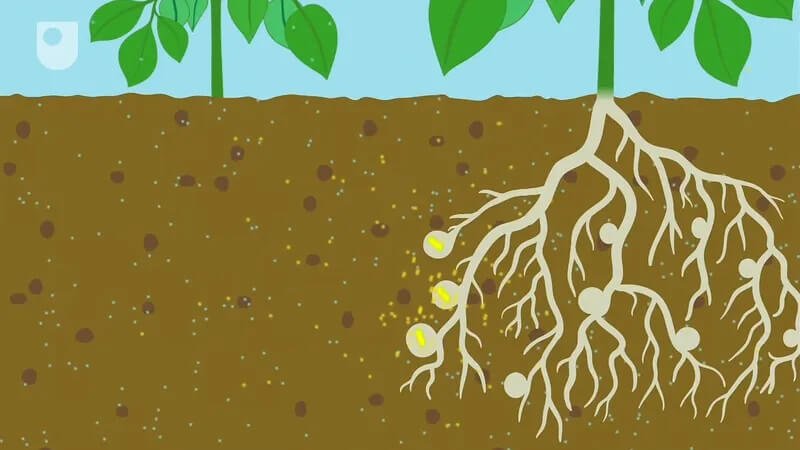
The price of artificial fertilizers has skyrocketed, especially in the past year. Improving nitrogen fixation can make farming more sustainable. Credit: Open University via Britannica

Renowned botanist Eduardo Blumwald, professor at the University of California, and his team have found a new way to give cereal crops the nitrogen they need to grow. This invention can reduce nitrogen pollution in grain cultivation. Fertilizers and animal manure, which are normally used, are bad for the groundwater, cause more greenhouse gases and are ultimately bad for public health.

Nitrogen is an essential component for plant growth and farms rely on fertilizers to maximize their yield. But much of the manure used in the fields is lost. It disappears into the soil and groundwater without the plant absorbing it. Blumwald’s team, whose findings have been published in the journal Plant Biotechnology, may have created an efficient and sustainable alternative.

Follow the latest news and policy debates on sustainable agriculture, biomedicine, and other ‘disruptive’ innovations. Subscribe to our newsletter.

“Plants are fantastic chemical factories,” says the botanist. “With these genetically modified grain crops, we can create a sustainable alternative. A new way of producing grain, without the large amounts of fertilizer that are normally involved in cultivation.”

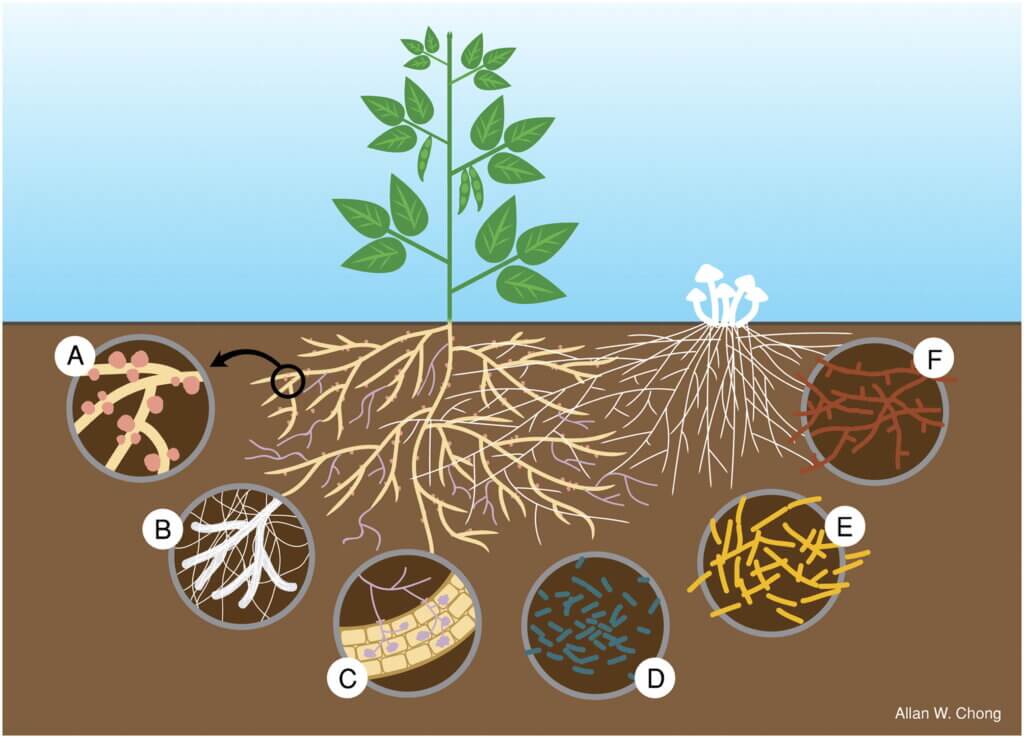
Diverse microbiota inhabit soil-plant systems. Credit: Allan Chong

[Editor’s note: This article has been translated from Dutch and edited for clarity.]

This is an excerpt. Read the original post here

{{ reviewsTotal }}{{ options.labels.singularReviewCountLabel }}
{{ reviewsTotal }}{{ options.labels.pluralReviewCountLabel }}
{{ options.labels.newReviewButton }}
{{ userData.canReview.message }}

Related Articles

Infographic: Global regulatory and health research agencies on whether glyphosate causes cancer

Infographic: Global regulatory and health research agencies on whether glyphosate causes cancer

Does glyphosate—the world's most heavily-used herbicide—pose serious harm to humans? Is it carcinogenic? Those issues are of both legal and ...

Most Popular

Screenshot-2026-06-05-at-2.12.30-PM
Some plants can poison you. So how did humans figure out what is safe to eat?
Organic-Produce
Viewpoint: Why you should ignore organic food advocates’ advice to avoid ‘pesticide soaked’ conventional fruits and vegetables
Credit: ACSH
Viewpoint: Who and what’s to blame for the surge in vaccine-preventable diseases?
ChatGPT-Image-Jun-5-2026-01_17_48-PM
GLP-1 weight-loss drugs may reshape our desires and emotions
ChatGPT-Image-May-28-2026-12_56_54-PM
Viewpoint: Vaccines' non-specific effects? The ‘shoddy’ Danish couple whose 'research’ inspires RFK, Jr.’s health delusion
edb7f6d7-2370-418f-9578-74e29678e35c
Facts & Fallacies Podcast: Nicotine vaping—public health miracle, or risk to children? Professor Cliff Douglas
Screenshot-2026-06-08-at-11.05.51-AM
Can vaping lead to cancer? New ‘association study’ raises questions of “links’
ChatGPT-Image-Mar-10-2026-01_39_01-PM
Viewpoint—“Miracle molecule” debunked: Why acemannan supplements don’t work
ChatGPT Image Jun 3, 2026, 03_14_43 PM
Viewpoint: How Earthjustice became the poster child for the abuse of special interest activist funding
Screenshot 2026-06-05 at 12.14
‘Nicotine-free generation’: Should the U.S. emulate Britain and ban all nicotine products, from cigarettes to vapes?
Screenshot-2026-06-05-at-3.30.20-PM
Republican lawmakers spread misinformation claiming solar farms permanently destroy potato farms
Screenshot-2026-06-04-at-12.05.08-PM
Cases of brain inflammation surge as U.S. measles pandemic approaches 2000
glp menu logo outlined

Get news on human & agricultural genetics and biotechnology delivered to your inbox.