Is developed nations’ anti-GMO activism ‘arrogance of affluence’?

Screen Shot at PM
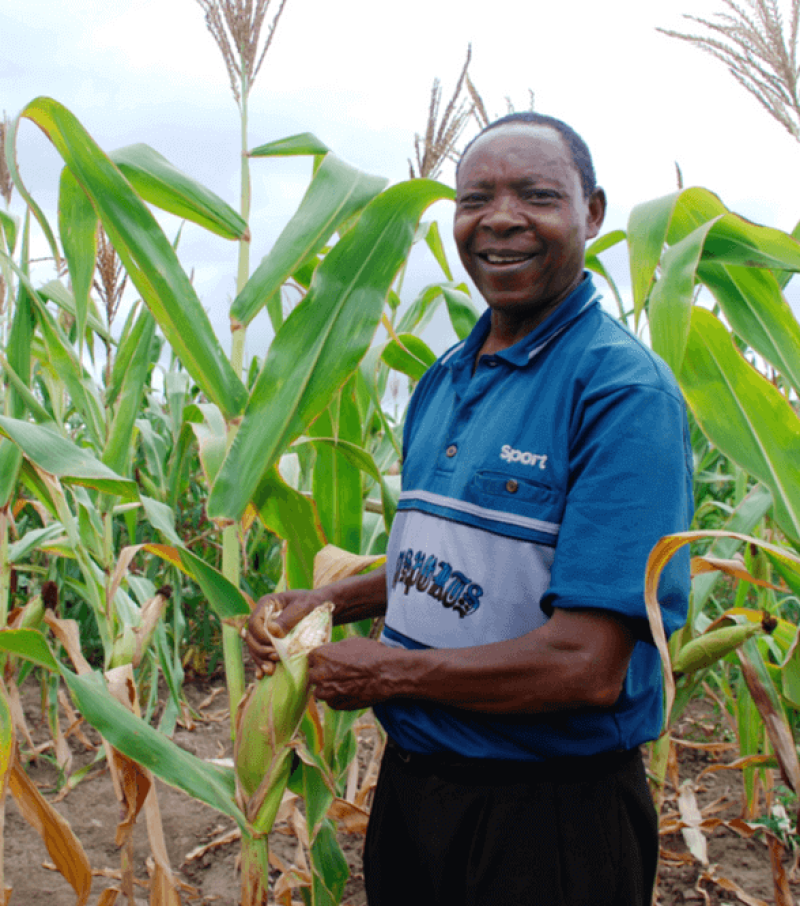
An African farmer with drought-tolerant GMO maize. Photo by CIMMYT/Flickr

While working on a research project in South Africa I met a distinguished-looking farmer, well dressed in a suit and tie. We had an appointment to discuss biotechnology.

. . . .

When the discussion turned to the current crop year, this proud, dignified man had tears in his eyes. He said drought caused his corn crop to be a complete loss.

Then he pointed his finger at me and said people in the U.S. interfered in Africa and prevented approval of a biotech corn variety that was resistant to drought.

He was sad and angry that people in rich countries influence food policy in poor countries.

I call it the “arrogance of affluence.”

Well-fed activists in affluent countries try to dictate what seed a farmer in poor countries can plant.

. . . .

I have seen the results of that arrogance many times in the six African countries where I have been a researcher and educator since the 1990s.

Much of the arrogance comes from Greenpeace, a non-government organization that fights biotech acceptance in poor countries.

. . . .

…[Only] South Africa had commercial plantings of biotech food crops in 2015.

Getting new ones approved, including the drought-tolerant corn my friend wanted to plant, is a continual struggle against anti-biotech activists.

The GLP aggregated and excerpted this blog/article to reflect the diversity of news, opinion and analysis. Read full, original post: Affluent nations’ anti-GMO stance is arrogant

{{ reviewsTotal }}{{ options.labels.singularReviewCountLabel }}
{{ reviewsTotal }}{{ options.labels.pluralReviewCountLabel }}
{{ options.labels.newReviewButton }}
{{ userData.canReview.message }}

Related Articles

Infographic: Global regulatory and health research agencies on whether glyphosate causes cancer

Infographic: Global regulatory and health research agencies on whether glyphosate causes cancer

Does glyphosate—the world's most heavily-used herbicide—pose serious harm to humans? Is it carcinogenic? Those issues are of both legal and ...

Most Popular

Credit: ACSH
Viewpoint: Who and what’s to blame for the surge in vaccine-preventable diseases?
ChatGPT-Image-May-28-2026-12_56_54-PM
Viewpoint: Vaccines' non-specific effects? The ‘shoddy’ Danish couple whose 'research’ inspires RFK, Jr.’s health delusion
Organic-Produce
Viewpoint: Why you should ignore organic food advocates’ advice to avoid ‘pesticide soaked’ conventional fruits and vegetables
Screenshot-2026-06-05-at-2.12.30-PM
Some plants can poison you. So how did humans figure out what is safe to eat?
Screenshot-2026-06-08-at-11.05.51-AM
Can vaping lead to cancer? New ‘association study’ raises questions of “links"
ChatGPT Image Jun 3, 2026, 03_14_43 PM
Viewpoint: How Earthjustice became the poster child for the abuse of special interest activist funding
ChatGPT-Image-Jun-5-2026-01_17_48-PM
GLP-1 weight-loss drugs may reshape our desires and emotions
Screenshot-2026-06-05-at-3.30.20-PM
Republican lawmakers spread misinformation claiming solar farms permanently destroy potato farms
edb7f6d7-2370-418f-9578-74e29678e35c
Facts & Fallacies Podcast: Nicotine vaping—public health miracle, or risk to children? Professor Cliff Douglas
Screenshot-2026-06-08-at-10.19.30-AM
‘Natural’ wellness supplements linked to liver injury
ChatGPT-Image-Mar-10-2026-01_39_01-PM
Viewpoint—“Miracle molecule” debunked: Why acemannan supplements don’t work
ChatGPT-Image-May-26-2026-07_51_21-AM-2
Viewpoint: There are more than 1,000 chemicals in a cup of coffee—including many substances that can cause cancer. Why isn’t it banned?
glp menu logo outlined

Get news on human & agricultural genetics and biotechnology delivered to your inbox.