



Daily Food & Ag Digest

Viewpoint: German science communicator says EU cannot reach sustainability goals without plant based diets and crop biotechnology
There is a simple solution to quickly reducing the climate-damaging greenhouse gases from agriculture: everyone should stop eating meat and ...

Gene editing can increase yields, improve nutrition, fight climate change — and bring native species back to African agriculture
Gene editing is making it easier for researchers to help local plants varieties adapt to changes in the local environments ...

Genetic engineering breakthrough could cut fossil fuel use in industrial compounds
Rothamsted scientists have engineered a plant to produce a range of vital chemicals used in the manufacture of common everyday ...

Air steaks? This California startup believes it can make meat out of thin air with some help from tweaked bacteria
The company is taking carbon dioxide—the pernicious greenhouse gas warming our planet—and transforming it into a juicy steak or a ...

Viewpoint: Why is Neil Young portrayed as a hero for challenging Joe Rogan’s anti-vax rants while promoting crop biotechnology disinformation himself?
Neil Young doesn’t make the kind of music I enjoy. Instead I was familiar with his name because he was ...

Study challenges health orthodoxy: Vegetable-rich diet alone does not reduce heart disease risk
Vegetables may be good for you, but eating a lot of them is unlikely to reduce your risk of a ...

Viewpoint: Challenging the ‘appeal to nature’ fallacy — Is being anti-GMO pro-starvation?
Almost anyone who is versed in agricultural science is pro-GMO. But for much of the United States, which are generations ...

‘The Genesis Machine’: Examining the future shift away from traditional farming products to lab produced foods
From domestication and selective breeding to synthetic insulin and CRISPR, humanity has long sought understand, master and exploit the genetic ...
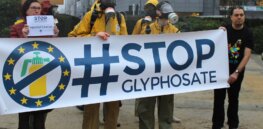
New Zealand scientist challenges ‘scaremongering’ about herbicide glyphosate
Glyphosate, the active ingredient in Roundup™, is the most widely used herbicide in the world. It affects a specific enzyme ...

How biotech aids biodiversity
As the basis for food, housing, clothing, medicine, industrial raw material and potentially many more benefits to human well-being, biodiversity ...

Can alcohol-free beer ever taste as good as a genuine brew? Yes, finally, thanks to genetic tinkering
Finally, researchers have found a way to brew non-alcoholic beer that tastes just like regular beer. Even more, the method ...

How traffic and other urban stresses adversely affect plants
That plants can be hampered indirectly by noise pollution has never been in doubt. Since most flowering species depend upon ...

Genetically-selected crop breeding has increased yields more than 600% over 2 centuries. Gene editing could dramatically accelerate that
Humans have improved plants for their utility through selective self-pollination, crossing, and progeny selection for >10,000 years, largely based on ...

Why have humans evolved to like sour foods?
Scientists don’t know much about how our acidic taste evolved. Enter Rob Dunn. The North Carolina State University ecologist and ...

Are your organic clothes eco-friendly and chemical free? Fraud rampant in India exports, world’s largest cotton market
“This product contains independently certified organic cotton grown without chemical pesticides, chemical fertilizers and genetically modified seeds,” the product description ...

Regenerative vs organic: As focus shifts towards addressing climate change impacts, what does that mean for organic agriculture’s future?
As organic products make it into the hands of more consumers than ever before, it’s clear that the industry is ...
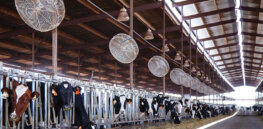
CRISPR poised to improve cattle production in the tropics by reducing disease and boosting climate resilience
One of the main problems in the tropics is heat stress, which disturbs animal homeostasis affecting the metabolic and hormonal ...

Viewpoint: How organic labeling and marketing undermines efforts to reduce carbon emissions and improve farming sustainablity
Officially, the Environmental Protection Agency defines organic food as: “Food grown and processed using no synthetic fertilizer or pesticides.” Products emblazoned with ...

Young gene editors share hopes for the future of the field
From a ranch in the American Midwest to a farm in India and a takeout lunch restaurant in New York, ...
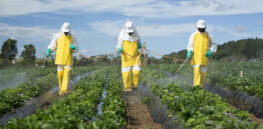
Viewpoint: Manufacturing misinformation — How the Environmental Working Group spreads false facts about pesticide dangers
Ventura County farmers farm food, the Environmental Working Group farms clicks. Unfortunately, the Ventura County Star has elevated misinformation about ...

Cell-based meat products are still in their infancy. Will cultured protein help reduce the environmental impact and welfare concerns of livestock farming?
To meet the increasing demand for food by a growing population in 2050, the FAO has concluded that 70% more ...

Bayer angling to introduce new high-yield, genetically modified cotton seed in India
Germany's Bayer has applied to cultivate its next generation of genetically modified (GM) cotton seeds in India, government sources said, reviving ...

Viewpoint: Who are the activists and politicians that led Sri Lanka to reject science and embrace disastrous all-organic farm model?
Vandana Shiva, proclaimed "Hero for the Green Century" in 2002 and winner of numerous awards (including the Right Livelyhood Award ...

Blue economy seen as catalyst for Africa’s economic resurgence
Africa’s much-touted blue economy is primed for growth as the continent’s coastal and island nations tap into marine biotechnology and molecular ...

Viewpoint: Claiming natural pesticides are ‘good’ and synthetic pesticides are ‘bad’ misses the science — it’s the dose that matters
Some folks rave about food grown organically, erroneously thinking no pesticides were used in its production, whereas food grown with ...

TikTok conspiracy claim debunked: No, food cannot be genetically engineered to cause infertility in Black people
According to an alarming claim in a video circulating on Facebook, scientists have found a way to engineer food to ...

Weighing risks and benefits of pesticides on India’s farms
The global population currently stands at 7.9 billon and is expected to rise to 9.7 billion by 2050. To meet the food and nutrition ...
