Transhumanism series premiers on web

Transhuman
A new high-profile digital series H+ portrays a world in the not-so-distant future in which transhumanism has moved from the fringe it currently inhabits to become a mainstream ideology and reality.
Additional Resources:
View the original article here: Transhumanism series premiers on web

Maverick ethics professor: “It’s our duty to have designer babies”

cute baby

Julian Savulescu, the Oxford University professor of ethics controversially argues that “breeding better babies” is our human imperative.

Additional Resources:

  • Bioethicist pushes us towards our eugenic duty, Biopolitical Times

View the original article here: Maverick ethics professor: “It’s our duty to have designer babies”

New DNA encyclopedia attempts to map function of entire human genome

A torrent of new data charts the human genome in unprecedented detail, a landmark accomplishment compared by some scientists to the genome’s sequencing in 1999.

Hundreds of thousands of new genomic pieces, catalogued for the very first time, are contained in the data, which is described Sept. 4 in 30 papers published by Nature and the Journal of Biological Chemistry. Also included are preliminary descriptions of how these pieces fit together.

Of course, if history is any guide, expectations should be tempered. The more that’s learned about the genome, the more complex it proves to be — a mountain that seems taller with every ascending step. But the view deserves to be appreciated.

“Originally genetics was focused on the one percent,” said bioinformaticist Mark Gerstein of Yale University, referring to geneticists’ early concentration on genes that code for proteins, which represent just a a tiny fraction of the genome’s myriad parts. “We’re shining a light on the 99 percent.”

Gerstein is one of hundreds of researchers who participated in ENCODE, or the Encyclopedia of DNA Elements, a massive collaboration launched in 2003 to catalogue the human genome’s every last piece.

View the original article here: New DNA encyclopedia attempts to map function of entire human genome

Genetic study stirs hope for lung cancer patients

The first large and comprehensive study of the genetics of a common lung cancer finds that more than half the tumors from the cancer have mutations that might be treated by new drugs already in the pipeline or that could be easily developed. For the tens of thousands of patients with that cancer — squamous cell lung cancer — the results are promising because they could foretell a new type of treatment in which drugs are tailored to match the genetic abnormality in each patient, researchers say.

“This is a disease where there are no targeted therapies,’’ said Dr. Matthew Meyerson of the Dana-Farber Cancer Institute in Boston, referring to modern drugs that attack genetic abnormalities. He is a lead author of the paper, with more than 300 authors, published online in the journal Nature on Sunday. ‘‘What we found will change the landscape for squamous cell carcinoma.’’

The study is part of the Cancer Genome Atlas, a large project by the National Institutes of Health to examine genetic abnormalities in cancer. The study of squamous cell lung cancer is the second genetic analysis of a common cancer, following a study of colon cancer. The work became feasible only in the past few years because of enormous advances in DNA sequencing that allow researchers to scan all the DNA in a cell instead of looking at its 21,000 genes one at a time. The result has been a new appreciation of cancer as a genetic disease, defined by DNA alterations that drive a cancer cell’s growth, instead of a disease of a particular tissue or organ.

View the original article here: Genetic study stirs hope for lung cancer patients

Genetic clues to causes of liver disease

Researchers have newly identified three genetic regions associated with primary biliary cirrhosis (PBC), the most common autoimmune liver disease, increasing the number of known regions associated with the disorder to 25.

The team used a DNA microchip, called Immunochip, to survey more thoroughly regions of the genome known to underlie other autoimmune diseases to discover if they play a role also in PBC susceptibility. By combining the results from this survey with details of gene activity from a database called ENCODE, they were able to identify which cells types are most likely to play a role in PBC.

View the original article here: Genetic clues to causes of liver disease

Can GM crops bust the drought?

All farmers know they’ll have to endure the occasional dry period, but what has happened to the American Midwest this summer has been practically biblical. By the end of July, over 60% of the U.S. was experiencing some form of drought–the most in more than half a century. Corn yields fell by at least 16%, and prices rose to record highs as farmers confronted fields of dust. Scariest of all, the drought of 2012, which could eventually cost as much as $18 billion, may be just a taste of what’s to come in a hotter, drier future. Climate models suggest broadly that dry areas will become drier as the planet warms—and that could be seriously bad news for America’s breadbasket, especially in the already arid areas of the Western breadbasket.

Farmers and crop companies are struggling to figure out ways to cope with severe drought. Changing the weather is still beyond us—though some countries like China are trying—but what if there were a way to breed crops that could use water more efficiently, thriving even in times of drought?

View the original article here: Can GM crops bust the drought?

India: Give up the fear of GM crops, says Indian farmer

The parliamentary committee report on genetically modified (GM) organisms is an attempt to give a quiet burial to biotechnology in India. On behalf of the farmers of India, let me say that this report totally fails to reflect farmers’ aspirations, and distorts the scientific significance of biotechnology – including genetic engineering – for the national economy. Instead, it echoes persistent canards by some environmental NGOs.

Indian farming suffers losses of up to Rs 1 lakh crore from pests and diseases annually, apart from natural calamities. Till the 1960s, India used only conventional breeding for seeds – but these traditional varieties were insufficient to feed the country, which became totally dependent on food aid from the US. Then came the Green Revolution which harnessed biotechnology. This saved India from starvation and made it a food exporter.

But the limits of the Green Revolution technology have been reached. We now need new kinds of biotechnology, including GM crops. The govern-ment has created the Genetic Engineering Approval Committee (GEAC) to regulate the entry of new GM crops.

View the original article here: India: Give up the fear of GM crops, says Indian farmer

Mandatory GM labeling would require major change, says GM supporter

CPG manufacturers may be on the cusp of monumental change as voters in California contemplate a hotly contested ballot initiative to require labeling of genetically modified foods.

Food marketers will face tough choices should the measure pass, as about 70% of processed foods sold in supermarkets contain GM ingredients like corn and soy. Some estimate that 100,000 or more foods sold in California contain some level of GE ingredients and would therefore be affected.

The mandate would be limited to the Golden State, but the implications for companies that choose not to move away from GM ingredients in advance of the July 1, 2014, deadline could be as far-reaching as consumer awareness spreads.

Personal genomics: New drugs target common cancers

lungs
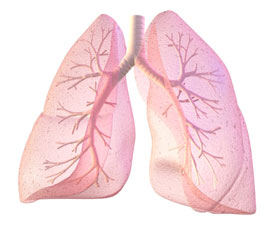
Tens of thousands of Americans with tumors from certain types of lung cancer have mutations that might be treated by new drugs that are already in the pipeline or that could be easily developed–a dramatic demonstration of the promise of personalized genomic-based medicine.
Additional Resources:

Animal genetics help scientists understand diseases

Not only have great strides been made in human genetics but also in animal genetics. This is important because such genetic information is not only helpful to the animal, but it frequently can also be applied to humans.

A recent article in the New England Journal of Medicine discussed how genetic research from one type of animal, the dog, has been helpful in better understanding the genetics of certain inherited disorders that are present in both dogs and humans.

View the original article here: Animal genetics help scientists understand diseases

Gene sequencing project builds the foundation for next generation of childhood cancer care

As St. Jude Children’s Research Hospital celebrates its 50th anniversary and marks September as Childhood Cancer Awareness Month, investigators are focused on the future.

Although survival rates for childhood cancer have soared to about 80 percent nationally since the hospital opened in 1962, cancer remains the leading cause of death by disease for U.S. children between infancy and age 15. The cause of many childhood cancers remains uncertain. For some cancers, drug development has stalled. For others, successful treatment leaves survivors at increased risk for second cancers and other problems that threaten their health and well-being.

In response to such challenges, St. Jude launched the most ambitious effort yet to identify the causes of some of the most difficult and poorly understood childhood cancers. Known as the St. Jude Children’s Research Hospital – Washington University Pediatric Cancer Genome Project, the three-year endeavor is using 21st century technology to decipher the complete normal and cancer genomes of 600 young patients with some of the toughest cancers. The human genome is stored in the DNA found in nearly all cells and provides the instructions needed to assemble and sustain a person.

View the original article here: Gene sequencing project builds the foundation for next generation of childhood … – RedOrbit

Stem cell breakthrough helped two paralyzed people feel again

ba x

New hope was raised yesterday for people left paralyzed by injury, after doctors said they had succeeded in using stem cells to restore feeling in two patients.

In a world first, doctors at Zurich University said two out of three men who had agreed to take part in an early trial, had regained some sensation below the level of their injuries.

It is the first time anyone has reported a positive outcome from stem cell therapy for severe spinal cord injury – and holds out the possibility of greater things in years to come.

View the original article here: This Stem Cell Breakthrough Helped Two Paralyzed People Feel Again – Business Insider

Researchers identify stem cells responsible for tissue repair

The skin, which is an essential barrier that protects our body against the external environment, undergoes constant turnover throughout life to replace dead cells that are constantly sloughed off from the skin surface. During adult life, the number of cells produced must exactly compensate for the number of cells lost. Different theories have been proposed to explain how this delicate balance is achieved.

In a new study published in Nature, researchers lead by Pr. Cédric Blanpain, MD/PhD, FNRS/FRS researcher and WELBIO investigator at the IRIBHM, Université libre de Bruxelles, Belgium, in collaboration with Pr. Benjamin Simons, University of Cambridge, UK, demonstrate the existence of a new population of stem cells that give rise to progenitor cells that ensure the daily maintenance of the epidermis and demonstrate the major contribution of epidermal stem cells during wound healing.

View the original article here: Researchers identify stem cells responsible for tissue repair – Medical Xpress

European court confirms right to cultivate GM crops

A decision by the European Court of Justice has clarified the legal requirements concerning the cultivation of GM crops within the European Union member states. The decision confirms the non-legitimacy of national authorizations introduced in addition to the approval of biotech crops established by the European legal framework, and it also confirms that coexistence measures are not mandatory to grow GM plants.

Paolo Marchesini of DuPont Pioneer said he was “really satisfied with today’s decision of the European Court of Justice”.

“Concerning our GM crops’ cultivation experience in other countries, we have always been operating in full compliance with our strict internal and internationally accepted product stewardship standards in order to prevent cross pollination.”

The issue of genetically modified crops continues to spark heated debate. Around 200 activists protested against open air GM testing earlier in May.

View the original article here: European court confirms right to cultivate GM crops

GM crops choked by regulatory burder, says GM supporter

FOOD prices are at record highs and the ranks of the hungry are swelling once again. A warming climate is beginning to nibble at crop yields worldwide. The United Nations predicts that there will be one to three billion more people to feed by midcentury.

Yet even as the Obama administration says it wants to stimulate innovation by eliminating unnecessary regulations, the Environmental Protection Agency wants to require even more data on genetically modified crops, which have been improved using technology with great promise and a track record of safety. The process for approving these crops has become so costly and burdensome that it is choking off innovation.

View the original article here: GM crops choked by regulatory burder, says GM supporter

Controversial GM potato trial to yield results in weeks

A controversial study into the environmental impact of genetically modified (GM) potatoes in Oak Park, Co Carlow, is expected to start showing results within weeks.

Almost two weeks ago, the agricultural development body Teagasc planted 24 GM potato plants that have improved resistance to late potato blight alongside conventional potato plants.

Dr Ewen Mullins, Teagasc’s senior research officer at Oak Park, said blight had already started to show in a drill of non-GM potatoes, specifically planted because they were vulnerable to blight. He is watching to see if this spreads to the drills containing the GM and non-GM plants. “If that blight takes hold, we’ll have an idea of what’s happening with our GM line within a week.” The study is looking at the impact of the GM potatoes on the soil, particularly on its bacterial, fungal and earthworm diversity.

View the original article here: Controversial GM potato trial to yield results in weeks

Food labeling: Should environmentalists be pro-GM?

silent spring

This article originally appeared in the October 2012 issue of Ethical Corporation

Half a century on from Rachel Carson’s seminal Silent Spring, debate rages over GM food labeling proposals.

Fifty years ago, marine biologist Rachel Carson ignited the modern environmental movement with the publication of Silent Spring. It was an ecological alarm call – an attack on what she believed was the overuse of pesticides and the potential harm they might cause to humans and wildlife – and a call for a progressive science-focused view of modern agriculture and food.

Her deeper, ecological message is often overlooked by her most ardent supporters. It should be front and center as Californians prepare to go the polls in November to decide the fate of Proposition 37 – which would introduce mandatory labeling of genetically modified (GM) foods into the United States for the first time.

Carson got some key facts catastrophically wrong in her book, particularly her wholesale demonization of DDT, which she believed was killing eagles and other wildlife. Hundreds of studies have since shown that DDT, as properly used, does not cause cancer in humans or pose serious threats to wildlife.

Then and today DDT is recognized as a unique and indispensable tool in combating mosquito-born malaria. Literally millions of people may have died because of bans imposed on DDT as the result of campaigns inspired by Carson’s book.

But Carson’s overriding vision remains powerful and prescient. She spurred awareness of the fragility of nature’s food chain and she introduced to a science-wary public the notion that genetics can work with nature in a sustainable way.

“A truly extraordinary variety of alternatives to the chemical control of insects is available,” she wrote. So what would she say if she were around to witness the raging debate over the future of GM foods?

While many of Carson’s followers mischaracterize her book as a wholesale rejection of pesticides, and say she would have rejected GM crops, her writings suggest that she was a pragmatist who understood that solving world hunger rested on developing a range of science-based solutions, including the deployment of crop biotechnology.

“Specialists representing various areas of the vast field of biology are contributing – entomologists, pathologists, geneticists, physiologists, biochemists, ecologists – all pouring their knowledge and their creative inspirations into the formation of a new science of biotic controls,” Carson wrote.

What about the science?

Yet, a broad coalition of activists in the US who invoke Carson as their inspiration – led by high-profile organic producers, Friends of the Earth, Center for Food Safety, Environmental Working Group, Consumers Union and the Sierra Club – continue to play fast and loose with the very science that motivated Carson to write Silent Spring.

“It would be a setback to the ecologically based farming movement if Californians approved this labeling initiative,” says Pamela Ronald, a University of California-Davis plant geneticist who is a leader in the emerging “green genes” movement. These are environmentalists who see genetics as a key tool to dramatically enhance sustainable agriculture.

Ronald has contributed to the development of flood-tolerant and disease-resistant rice (it’s already reached one million farmers, mostly in the developing world), which along with drought-tolerant and vitamin-enhanced varieties is poised to revolutionize farming. Ronald outlined this prospect in Tomorrow’s Table, which she co-authored with her husband, Ronald Adamchak, an organic farmer who manages the student-run organic farm at the Davis campus.

“The science is clear,” she says. “The GM crops currently on the market are safe to eat, benefit the environment and improve the health of farm workers.”

Ronald has found that the views of progressive scientists are being overwhelmed by the voices of precautionary-minded, anti-science advocacy groups. If current polls hold up, in November California foods will be subject to strict GM labeling laws. And in India, the ministry of health has proposed one of the most restrictive labeling laws in the world, tighter even than those imposed in the European Union.

Anti-GM, pro-labeling forces behind the US and Indian initiatives have gone to great lengths to frame this issue as a matter of choice, transparency and precaution. But what’s really at stake here?

GM labeling policies vary considerably around the world. The great divide is between the EU, which has favored mandatory labeling, and the US federal government, which is legally barred from imposing such requirements unless there is a proven scientific justification rather than just fears.

Japan has loose labeling laws, limited to 30 foods. In the developing world, while Brazil and China have adopted mandatory labeling laws, the Philippines and South Africa rely on voluntary labeling.

India is proposing mandatory labeling that would be the most stringent yet. It would include no exemptions for animal products or processed foods. It reads: “A GM food, derived there from, whether it is primary or processed or any ingredient of food, food additives or any food product that may contain GM material shall be compulsorily labeled, without any exceptions.”

Costs and benefits

If mandatory labeling were, as its proponents claim, merely a matter of transparency then the choice would be easy. But that’s not the case. There are huge consequences, intended and unintended.

Unlike other quality attributes of agricultural produce, genetic modification is difficult to detect. You can’t just see it. A food product cannot be verified to be GM-free unless documented steps have been taken to preserve the “identity” of the product in the production and marketing chain through what’s known as “identity preservation” (IP). However, because some GM foods are genetically equivalent to non-GM foods, existing testing mechanisms cannot accurately detect transgenic DNA.

For instance, there is no reliable way to distinguish soy oil derived from GM soybean from soy oil from non-GM beans. The only differences are in the process, not in the final product, which (despite what GM critics claim) is nutritionally and functionally identical to organic and conventional varieties.

So, unlike with the case for most labeling – for example, whether a product contains high fructose sugar, which is easily identified – the cost of verification can be considerable or even catastrophic to producers and consumers. In fact, that’s what labeling supporters are betting on.

Opponents are determined to beef up regulation to make producing GM foods prohibitively costly. They know that a mandated system in California (or India) would require the construction of parallel production, processing and distribution systems to track every crop, processed food or trait, dramatically raising prices – and immediately ending the cost benefits of GM foods that drives their growth.

Quality standards and labeling are traditionally justified by health and safety considerations. So, tighter regulations could be justified if a case could be made that GM foods pose a unique danger to consumers. Better safe than sorry. The problem is that there is no reputable data that shows that GM foods have any unusual health impacts.

Some consumers may wish not to consume GM foods because of ideological fervor (“it violates nature”), which amounts to a religious or ethical preference. Or they can genuinely “fear the unknown”, the precautionary justification for setting aside the empirical data. But there is no actual evidence that GM foods are harmful.

There have been more than 300 independent medical studies on the safety of genetically modified foods. The World Health Organization, the US National Academy of Sciences and most recently the American Medical Association House of Delegates have evaluated the evidence. They have concluded that there is no evidence that the genetic modification process presents any unique safety issues and recognized the potential benefits of the technology.

The US Food and Drug Administration has not even considered the labeling question, despite enormous pressure from advocacy groups. At its best, it’s a science-based agency. Unlike precautionary-obsessed regulators in the EU and elsewhere, the FDA does not even have the authority to react solely to consumer fears – it’s mandated to follow the evidence. The evidence consistently shows that genetically engineered foods are as safe and have a similar nutritional profile as their non-GM counterparts.

And that’s why the EU’s chief scientist, renowned biologist Anne Glover, recently reaffirmed that foods made through genetic engineering are as safe as organic or conventional foods – unleashing predictable howls from Friends of the Earth and other anti-GM campaigners.

Shutting down choice

The only justification for labeling is that consumers have a “right to know”. In other words, in the absence of mandatory labeling, consumers have no choice but to consume GM foods. Mandatory labeling could theoretically give consumers the choice of selecting foods according to their preferences.

At first blush, this seems reasonable – more consumer disclosure. But in the real world, it’s quite reactionary. Contrary to what pro-labeling advocates maintain, almost all academic studies have made the point that rather than facilitating consumer choice, mandatory labeling acts as a “fear generator” and market barrier. That’s because GM foods, which require the use of less pesticide and produce higher yields, are less costly than either conventional or organic competitors.

Information masquerading as “knowledge” would actually limit consumer choices. As the anti-GM US Interfaith Center on Corporate Responsibility cheerfully told Ethical Corporation, labeling a product as GM would be akin to slapping “a skull and cross bones” on it. Activists are banking on the fact that many consumers are “label sensitive,” meaning they will reflexively impute a negative quality to a labeled food – GM would imply “bad”.

“We fully expect producers or grocery stores won’t want to risk alienating their customers with labeling, so they’ll eventually decide not to use any bio-stuff at all,” says Michael Passoff, senior strategist at the US NGO As You Sow. Consumers will end up paying more. The very existence of a label would create a market barrier and restrict competition, jacking up overall costs to consumers.

Anti-GM groups also claim that they are merely following consumer preferences, not leading them. Superficially that’s true. Consumer surveys invariably show a large preference for GM-free foods. Why? Confused by the he said/she said quality of the controversy, many consumers default to precaution when responding to surveys.

But studies show they often reach that default opinion without factoring in what will undoubtedly happen in California and India should mandatory labeling prevail. Prices will soar, impacting the most vulnerable and least affluent, and some products will disappear because they will no longer be price competitive.

The default desire for non-GM foods often dissolves in the grocery store, when choosing between expensive organic food “A” and cheaper food “B” containing GM ingredients. The perception of quality matters to consumers – but it has its limits and is directly and negatively correlated to price. Surveys are renowned for hyping hysteria and missing actual purchasing behaviors.

Because price matters most, the market share of exclusively segregated, comparatively expensive, voluntarily purchased GM-free products is likely to be small. That means such products are likely to be available in large quantities only if regulators – or voters – artificially impose a closed market. This exists in Europe and could happen in the US, India and other places with Draconian mandatory labeling laws set to take effect.

The California vote will undoubtedly unleash a torrent of legislation, as the measure is all but unenforceable without huge infrastructure changes in the food business, at very high cost. But the precautionary mindset that is driving this is unlikely to abate soon.

Under a barrage of lobbying pressure from the organic movement, even the American Medical Association turned weak-kneed, passing a resolution recommending pre-market assessment of genetically engineered foods, even though the science says there are no health concerns. In response to anti-science campaigners, they invoked an odd twist on the “trust but verify” strategy – which is doomed to fail because no test can allay precautionary fears.

And Carson?

So what would Rachel Carson make of all this?  

For 10,000 years, humans have altered the DNA make-up of our crops. Conventional approaches were often quite crude, resulting in new varieties through a combination of trial and error, and without knowledge of the precise function of the genes that were being moved around.

Such methods include grafting or mixing of genes of distantly related species, as well as radiation treatments to induce random mutations in the genetic make-up of the seed. Today, virtually everything we eat is produced from seeds that have been genetically altered in one way or another.

Pamela Ronald, and other science-minded ecologists and environmentalists, worry that the labeling initiative will end up having the opposite effect of that intended.

“A ‘warning’ label would unnecessarily frighten consumers and force a return to a conventional system of breeding,” she warns. “Such an approach is eerily similar to the recent campaigns against vaccines, which has led to outbreaks of life-threatening diseases in children. Denying the scientific consensus behind agricultural and medical science only hinders humanitarian goals.”

She believes Carson might very well have been on the front lines of the new era in biology – campaigning for the precise control of genetic modification, instead of relying on random chance to create new varieties. That’s sustainable agriculture in its purest form.

Jon Entine, founding director of the Genetic Literacy Project, at George Mason University, is a senior fellow at GMU’s Center for Health & Risk Communication.

FOLLOW JON ENTINE ON TWITTER

View the original article here: Food Labeling: Should environmentalists be pro-GM?

Additional Resources:

Wal-Mart resists protesters, will sell GM corn

walmart

walmart xThe protest over Walmart’s decision to sell genetically modified sweet corn is building. Opponents of GM foods are claim  that this Monsanto-created GM food may cause health and environmental problems.

Other retailers, such as Trader Joe’s, Whole Foods and General Mills, have decided not to sell or use the GM corn. One anti-GM organization, The Food and Water Watch, delivered a petition to Walmart, urging the world’s largest retailer not to carry the GM product in their stores. Other anti-GM groups are claiming that the GM corn is “insecticide-laced”, 

“After closely looking at both sides of the debate and collaborating with a number of respected food safety experts, we see no scientifically validated safety reasons to implement restrictions on this product,” said Walmart representative Dianna Gee.

GM sweet corn is nothing new. Syngenta, a comparable company to Monsanto, has been creating the corn for over a decade. But now, coupled with pressure from anti-GM groups to pass Prop 37 California, and label GM foods as such, the Walmart/GM corn debate is striking a nerve with consumers who do not want to buy genetically modified foods.

As there as currently no requirements to label GM foods, Walmart’s plans to stock shelves with GM sweet corn move forward.