
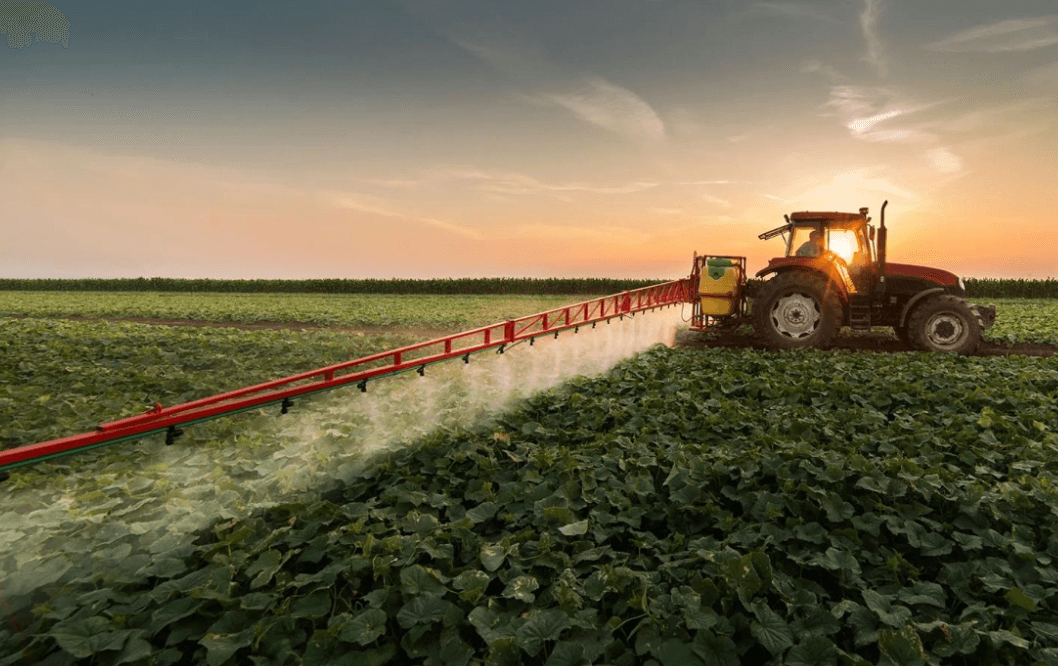
Sustainable Weed Management

Synthetic and natural agricultural chemicals include herbicides, insecticides, and fungicides. They are used by all farmers, organic and conventional, and have led to affordable food in markets around the world. Almost any farm chemical can be harmful if the dose applied is high enough — the “dose makes the poison”. What level of exposure poses a genuine risk to humans and the environment? How can the public and the press assess the scientific credibility of corporate and environmental group campaign claims? We’ve assembled a growing collection of articles and commentaries to help sort science from misinformation.

Featured

One of the most significant biological threats to successful field crop production is weeds. Sustainable soil seedbank management is key to weed prevention and improved crop competition with weeds.

Featured

Biomonitoring measures if an individual or population is over-exposed to toxic chemicals.

Featured

Any discussion of crop chemicals must consider the broad sweep of agricultural history, the pivotal moments of technological innovation, and the diverging perspectives that have shaped the current debate around the use of agricultural chemicals and genetically modified (GM) and gene edited crops.

COMMENTARY

Not one regulatory chemical advisory agency in the world concludes that glyphosate causes cancer in food or when used by applicators.

NEWS

How can farmers prepare for an environment of dicamba regulation, Endangered Species Act impacts and herbicide resistance?

NEWS

American Soybean Association’s survey found that increased herbicide restrictions would “vastly and negatively alter agricultural production”.

NEWS

North Carolina State University Extension Weed Specialist stresses importance of product rotation in resistance management and effective weed control.

NEWS

American Soybean Association survey data indicates approximately 80% of producers would be out of compliant with the proposal and would face moderate to extreme costs to become compliant.

STUDY

Controlled release formulation (CRF) of herbicide is an effective weed management technique with less eco-toxicity than other available commercial formulations.

ANALYSIS

Researchers at Mississippi State University compiled years of in-field trial data to create two equally effective non-dicamba options for producers considering a program change.

NEWS

Rothamsted Research amplifies findings of glyphosate withdrawal causing an increase in weed abundance and decrease in production of some crops, notes mixed outcomes offered by alternative approaches to weed control.

COMMENTARY

Hank Campbell denounces deceptive sources and applauds fact-based judges.

COMMENTARY

Focus on economic viability and minimize environmental and health risks.

ANALYSIS

Analyze potential bans in light of Mexico’s food security.

STUDY

Findings highlight marked improvement in sustainability of herbicide use.

COMMENTARY

Pesticides detected during a single time-point analysis doesn’t mean these toxins are a persistent.

COMMENTARY

Pesticide detected in hair is due to hair storing waste for the body.

NEWS

EFSA assessments of glyphosate “as contradictory as the results of studies.”

COMMENTARY

An academic paper claiming glyphosate found in French population’s urine morphed into a political tool by activists.

COMMENTARY

Andre Heitz highlights National Federation of Agricultural Operators’ Union’s recent publication exposing deceptive tests of the “voluntary pissers.”