


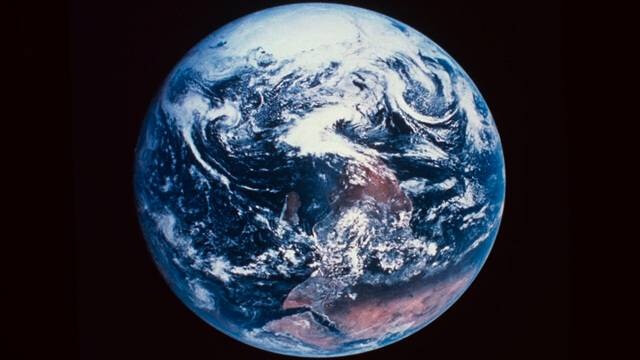
Animals were slow to evolve on Earth. While the first life forms emerged about a billion and a half years ago, animals didn’t appear until around a billion years later. Scientists have long puzzled over the reason why animals were so late to the party, but a new study looking at prehistoric oxygen levels on Earth might reveal the answer.
Oxygen is vital to evolution in complex organisms. The study, published in Science, found that the levels of oxygen on Earth one billion years before the appearance of animals were a mere 0.1% of what they are now, based on data from ancient sediment deposits.
The findings elucidate a missing piece in the history of evolution by explaining why complex life arose late in the game. Geologist Noah Planavsky of Yale, the lead author of the study, explained:




“Of course we already knew that all animals needed high oxygen levels in order to evolve. The really significant thing we found is that during this waiting period, oxygen levels were really low — lower than traditionally thought, and low enough that animals couldn’t have evolved and diversified.”
The spike in oxygen levels around 700 million years ago is believed to be attributable to microbes. Its correlation with the emergence of animals suggests that earlier organisms were ready to evolve long before they did; they simply waited a billion years until environmental conditions were appropriate to support animal life.
