


Daily Human Digest
How do polar bears stay warm? Genetics
During the recent polar vortex that swept down into the US, even polar bears in the Chicago zoo had to ...
Genetic mix lets Tibetans thrive at high altitudes
Genetic adaptations found in people living at high elevations on the Tibetan plateau probably originated around 30,000 years ago in ...

Rose scented trees? Genetic modification could create safe chemical factories
A Washington State University project aims to turn poplars into factories for premium chemicals like 2-phenylethanol, which is what gives ...

Emerging tools for synthetic biology in plants
Despite the serious complexity of multicelluar organisms, synthetic biology in plants has been progressing rapidly. This editorial examines the way ...
Uzbekistan’s plan to genetically groom Olympic athletes won’t work
In a few years, we'll look back at the Sochi Olympics as the last one where being chosen as an ...
Why genetically engineering microbes to make biofuel failed
Biotech company LS9 launched in 2005 with great ambitions: founded by premier scientists and top-flight venture capitalists, it planned to ...
DNA evidence frees men from prison, decades later
Two men behind bars for more than half their lives over a triple murder walked free this week after DNA ...
Gene-by-Gene settles lawsuit with Myriad Genetics
Gene-by-Gene, Inc. was one of the first direct-to-consumer (DTC) genetic diagnostics companies to announce that it would offer BRCA1/BRCA2 testing ...
X-chromosome variants help explain height difference by gender
Researchers from the University of Helsinki, Finland, have now identified novel X-chromosomal genetic variants that influence human height. The researchers ...

Preparing for the inevitable: DNA tests for newborns
Today, parents don't need to deal with the knowledge of genetic pitfalls that might lie ahead for their offspring. But ...
How far do you go to weed out lesser genetic defects
Two days ago in the New York Times, Gina Kolata told the story of Amanda Kalinsky, a 30-year-old woman who ...
Learning to fix a body’s broken genes
It sounds like science fiction, and for years it seemed as though it was just that: fiction. But the idea ...
Ant caste is determined by DNA
The rank of an ant in its colony’s caste is now understood to be determined by genetics. Evolutionary biologists at ...
Many stem cell lines aren’t good enough for commercial use
Many of the stem cell lines used by academics and registered with the U.S. National Institutes of Health (NIH) would ...
Uzbekistan testing children for athletic potential
The idea of using genetic testing to spot future world-class athletes has been bandied about for years. Now, Uzbekistan hopes ...
Family thwarts genetic disease by narrowing the bloodline
Days before she ended her pregnancy, Joselin Linder was thrilled to imagine herself as a parent. Linder is not a ...
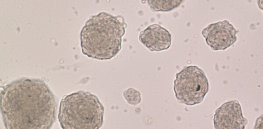
Acid bath stem cell method may work for human cells
Scientists may have used the newly-discovered environmental stress method for inducing pluripotency in human cells. This could change everything ...

The cross-species merger that made life as we know it possible
The transition from the classic prokaryotic, nucleus-free model to the deluxe eukaryotic one is arguably the most important event in ...
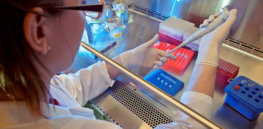
What’s it really like to work in biotech?
The life of a scientist in biotechnology is demanding, but there's a good chance that you could positively impact human ...

Brain science pioneer shifts focus of NIMH to basic neuroscience and genetics
Drain science pioneer Dr. Thomas R. Insel, now director of the National Institute of Mental Health, has sharply shifted the ...
Searching for invulnerability to cancer
In June 2013, I described how sequencing the highly abnormal genomes of cancer cells can identify some of the mutations ...
Humans shaped the horse’s gait, through genetics
A genetic mutation in horses that causes them to move with a gait that humans find desirable was spread to ...
Genome sequencing: bringing people and their disease risks together
Last year, actress and activist Angelina Jolie made headlines when she wrote an op-ed piece for the New York Times ...
General exonerations in the US increasing, DNA-based exonerations dropping
Eighty-seven — It seems like such a small number compared to the more than two million adults currently incarcerated in ...
About 1/3 of Americans don’t want genetic testing for cancer
Most Americans would consider undergoing genetic testing to predict their risk for certain cancers, but confusion persists over the benefits ...
International Cancer Genome Consortium releases data on 10k cancer genomes
The International Cancer Genome Consortium (ICGC) today announced that it has made available to the scientific community data from more ...
Black Death altered European genes
The Black Death of the 14th century may be written into the DNA of survivors' descendants, new research finds. The ...
