


National Geographic
The jumping gene: Friend or foe?
The following is an edited excerpt. In the 1940s, geneticist Barbara McClintock of the Cold Spring Harbor Laboratory in New York wanted ...
Modern Europe’s genetic history starts in Stone Age
The following is an excerpt. Europeans as a people are younger than we thought, a new study suggests. DNA recovered from ...
Nobel Prize-winning biologist Francois Jacob has died
The following is an excerpt. One day in July 1958, François Jacob squirmed in a Paris movie theater. His wife, ...
The womb’s strange epigenome
The following is an excerpt. This week, a study in the Proceedings of the National Academy of Sciencesdescribes a little-known feature ...

Lily Grossman: Medicine — and hope — via genomics
The utility of whole genome sequencing is debated, but Lily Grossman's story offers compelling evidence for its potential ...
Resurrecting a forest
The following is an edited excerpt. For the cover story in the April 2013 issue of National Geographic, I explore an ...
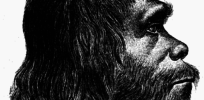
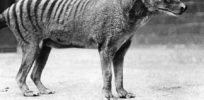
Species revival: should we bring back extinct species?
Genetic technology has made it feasible to revive recently lost species through their DNA ... but should we? How do ...
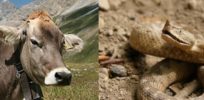
How a quarter of the cow genome came from snakes
Genomes are often described as recipe books for living things. If that’s the case, many of them badly need an ...
Nature creates genetically modified organisms — including humans
Despite some concerns over the transfer of DNA from one organism to another to create genetically modified crops and animals, ...

Restless genes: How the human compulsion to explore is a defining part of human success
What drove us out from Africa and on to the moon and beyond? If an urge to explore rises in us ...
Wild coffee faces extinction, leaves cultivated crops genetically vulnerable
Wild species of Arabica could be extinct in the wild by 2080 thanks to climate change, a new study says ...
