



Daily Food & Ag Digest

Is lab-grown meat environmentally harmful?
U.C. Davis researchers concluded that producing cell-cultured meat could actually be more burdensome to the environment than its traditionally farmed ...

‘Pinkglow’ pineapple: What gives this genetically-modified pink pineapple its distinctive rosy color?
Scientists have engineered a pink pineapple: It's unassuming on the outside but a blushing pink on the inside. The new ...

How heirloom seeds help preserve genetic diversity
Safeguarding heirlooms may be more important now than ever, as the full scope of our current biodiversity emergency continues to come into ...

Sequencing the watermelon family tree reveals ‘lost’ disease-resistance genes that were bred out generations ago
As autumn looms, we’re enjoying the last bites of sweet, juicy watermelon ...
Quixotic vision: Why advocates’ obsession with agroecology will prolong poverty in Africa and the rest of the developing world
Like in the rest of the world, the vision for the future of agriculture in the developing world is highly ...

Viewpoint: Why hyped ‘dangers of glyphosate’ is not a story in Slovenia
Plant protection products are a perennial bone of contention between environmentalists and farmers ...
Organic food is healthier than conventional? Cholesterol is bad for you? Here’s 10 debunked nutrition myths
There are several longstanding nutritional myths many of us have fallen prey to. We are here to tell you: it ...
Kenya looks to GMO cotton to jumpstart textile industry
Kenya recently said it will leverage adoption of Bt cotton to revitalise the textile and apparel industry. The government is ...

How a ‘foreign invasion’ contributed to Hawaii’s devastating wildfires
After a catastrophic wildfire that killed more than 100 people in Hawaii, eyes have turned toward an unexpected culprit: invasive ...
Can we ‘vacuum carbon dioxide from the atmosphere’ to fight global warming?
In August, the Biden Administration granted $1.2 billion in federal funding to kickstart a project intended to vacuum carbon dioxide up ...

Viewpoint: ‘What would a future without the weed-killer glyphosate look like?’
Glyphosate helped end the reign of the weed once it was approved in 1974. Then, when combined with genetic modification ...

Podcast: Talking Biotech with Kevin Folta — How to respond when anti-biotechnology activists call scientists shills
If you've ever publicly communicated enthusiasm for a new product or technology, you inevitably have been accused to being a ...

Viewpoint: Claiming a ‘slippery slope’, Non-GMO Project opposes synthetic palm oil, which would protect biodiversity, limit climate change and reduce pollution
Palm oil is ubiquitous, in part because it has a higher yield and lower cost of production than any other vegetable ...
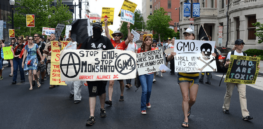
Cost of GMO bans: Global crop assessment finds GMO restrictions limit food production to ⅓ of potential, with poorer countries hit hardest
How costly are GM bans? To find out, we calculate by how much yields would have been higher in 2019 ...
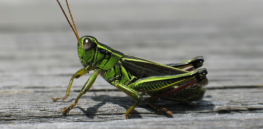
Canadian farmers abandon organic certification because approved ‘natural’ chemicals can’t control devastating grasshoppers
Organic growers may have decisions to make after grasshoppers chomped their way through prairie fields this summer ...

Viewpoint: ‘China’s principal objective is to exploit Africa’s fertile plains in order to feed its massive population’
Ever since its maturing economy stopped producing the explosive GDP growth numbers that dazzled the world, China has been on the ...

Genetically-modified crops poised to revolutionize sustainable farming in Nigeria
One of Nigeria’s standout accomplishments is the commercialisation of genetically modified (GM) crops, a significant milestone that has garnered attention ...
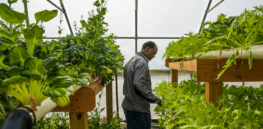
Growing crops without bees? Mini greenhouse pollination drones might do the trick
Miniature drones are being used to pollinate indoor crops as part of research looking at alternatives to honey bee pollination. ...

How gene editing can keep melons fresher for longer
The gaseous plant hormone ethylene has been long known to promote fruit ripening and play a certain role in shelf-life ...

Lab-grown meat: This may be the only way to sustainably boost global meat production
Some may baulk at the idea of meat originating in a lab, but the United Nations' Intergovernmental Panel on Climate ...
Aspartame panic illustrates how scare-narratives can take root
“Trust is one of the most important metrics that any business and food ingredient makers should be looking at, explained,” ...

Could beanless brews redefine the coffee industry and sharply reduce its carbon footprint?
The link between coffee and climate change is well-documented. The industry has been hit with low harvests, uneven yields and uncertainty ...

Viewpoint: Collapse of Sri Lankan organic-only farming experiment remains warning about putting ideology ahead of science and common sense
Having put an end to a bloody guerrilla war that had been dragging on for three decades, Sri Lanka had ...
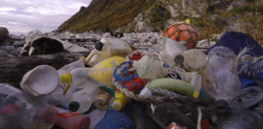
By 2050, there will be more plastic than fish in the ocean. Here’s a ‘natural’ solution — genetically-modified plastic-eating microbes
“Recycling is basically a myth. Nothing really gets recycled—it ends up in the landfills and oceans and leads to toxic ...

Reconstructing the ‘perfect’ watermelon: Returning ‘lost genes’ from wild relatives to modern fruit
Could farmers soon be growing and harvesting the perfect watermelon? It is no secret — delivering juicy, delicious “summer smiles” is no ...

Viewpoint: ‘Sugar is a far more dangerous enemy’ — Dentist explains why banning aspartame in foods and drinks is a reckless idea
I am a dentist and a mother of three. I know that even the most responsible parents will not be ...

Tiny pollinating drones come to rescue of overworked bees
About two-thirds of the crops that feed the world rely on pollination by bees and other insects. Without them, we’d ...
