How gene editing can keep melons fresher for longer

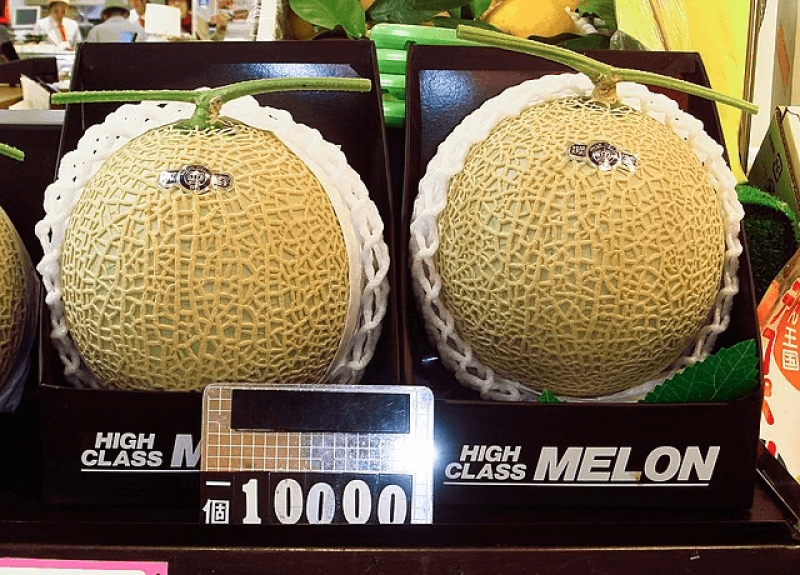
Japanese muskmelon. Credit: Bobak Ha'Eri via CC-BY-3.0
The gaseous plant hormone ethylene has been long known to promote fruit ripening and play a certain role in shelf-life. In this study, the researchers performed gene editing using the (Clustered Regularly Interspaced Short Palindromic Repeats (CRISPR)/Cas9 system via modification of the ethylene synthesis pathway in the Japanese luxury melon (Cucumis melo var. reticulatus “Harukei-3”) to increase its shelf-life.

The enzyme 1-aminocyclopropane-1-carboxylic acid oxidase (ACO) is associated with the final step of the ethylene production pathway and has multiple homologous genes. The research group has previously demonstrated five CmACO genes (homologous genes of ACO) in the melon genome and shown that the CmACO1 gene is predominantly expressed in the harvested fruit. Therefore, we expected that CmACO1 would be an important gene for enhancing the preservation of the melon fruit.

Follow the latest news and policy debates on sustainable agriculture, biomedicine, and other ‘disruptive’ innovations. Subscribe to our newsletter.

In this study, we selected CmACO1 as a target of gene editing and attempted to introduce mutations in the gene. Consequently, the harvested melons exhibited no foreign genes and the mutations induced were inherited for at least two generations. In the non-gene-edited line (wild type), ethylene generation was observed in the fruit 14 days postharvest, the rind turned yellow, and the flesh softened. However, in the genome-edited mutant, ethylene generation was reduced to one-tenth of that in the wild type, with the skin color remaining green and the fruit remaining firm. This indicates that introducing CmACO1 mutation via gene editing enhanced the shelf life of the melons. The results of this study indicate that gene editing can contribute to food loss reduction and improve food security.


Read the original post here

{{ reviewsTotal }}{{ options.labels.singularReviewCountLabel }}
{{ reviewsTotal }}{{ options.labels.pluralReviewCountLabel }}
{{ options.labels.newReviewButton }}
{{ userData.canReview.message }}

Related Articles

Infographic: Global regulatory and health research agencies on whether glyphosate causes cancer

Infographic: Global regulatory and health research agencies on whether glyphosate causes cancer

Does glyphosate—the world's most heavily-used herbicide—pose serious harm to humans? Is it carcinogenic? Those issues are of both legal and ...

Most Popular

Screenshot-2026-04-22-at-12.21.32-PM
Viewpoint: Why the retracted Monsanto glyphosate study doesn’t change the science—the world’s most popular herbicide is safe 
ChatGPT-Image-Apr-16-2026-02_56_53-PM
Financial incentives, over diagnosis, and weak oversight: Autism claims are driving up Medicare costs
Picture1
The FDA couldn’t find a vaccine safety crisis, so it buried its own research
ChatGPT-Image-May-1-2026-11_42_59-AM-2
Viewpoint: NAD is the wellness grifters latest evidence-lite longevity fad. At least the mice are impressed.
Screenshot-2026-05-21-at-12.15.17-PM
UK gene-editing milestone: Livestock barley that increases ruminant value and reduces methane emissions is first-approved CRISPR crop
global warming
‘Implausible’: Top climate scientists reject worst-case scenario—soaring temperatures and fast-rising sea levels
Screenshot-2026-05-21-at-3.15.53-PM
Chiropractors may no longer be modern-day snake oil salesmen, but the benefits of their therapy are limited–at best

Sorry. No data so far.

glp menu logo outlined

Get news on human & agricultural genetics and biotechnology delivered to your inbox.