Science journalism is in disarray as reporters pollute their coverage with politics, promote conspiracy theories, and bungle basic scientific facts—undermining public trust in experts and propping up iconoclasts like Robert F. Kennedy, Jr. While reporters often claim to champion evidence and objectivity, their coverage frequently reveals biases, ignorance, and an unwillingness to correct errors. These flaws demand urgent reform.
Many journalists are fair-weather fans of science, adopting an evidence-based stance only when it aligns with their political leanings. For instance, every major media outlet has rightly chastised Health and Human Services Secretary RFK, Jr. for his anti-vaccine stance, yet it was these same news organizations that amplified his movement for decades, putting clicks and ad revenue ahead of their obligation to inform readers.
This selective enthusiasm from the press distorts the public’s understanding of science, giving them tacit permission to reject evidence that runs afoul of their ideological commitments—a troubling phenomenon we see at work in the Make American Health Again (MAHA) campaign.
Second, science journalists often lack deep knowledge of the fields they cover. Accurately reporting on complex topics like genetics or epidemiology requires years of study to develop a baseline understanding of those fields, yet many reporters rely on press releases and fail to engage experts who can correct their misunderstandings, leading to oversimplified or inaccurate stories that misrepresent nuanced findings. As a result, the public is forced to interpret sensational headlines without context.
Perhaps most importantly, science journalists rarely acknowledge their mistakes, further damaging trust. When errors or misinterpretations are exposed – for instance, flawed reporting about COVID-19 – corrections are seldom issued. Whether it’s the result of pride, ignorance, or ideological bias, this refusal to admit fault reinforces skepticism toward science itself, as audiences conflate journalistic failures with scientific ones.
To fix this mess, journalists need to embrace the rigorous standards they pay lip service to: prioritize impartiality where possible, cultivate a deeper understanding of science, and seek accountability. The solutions are obvious. The real question is, will reporters even acknowledge they have a problem?
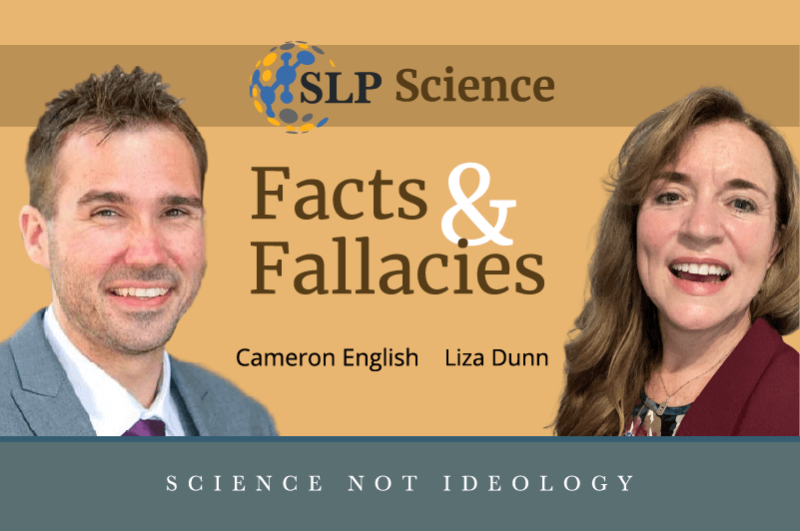
Join Dr. Liza Dunn and Cam English on this episode of Facts and Fallacies as they discuss the issues plaguing science journalism and how to solve them.




Podcast: Play in new window | Download
Subscribe: RSS
Dr. Liza Dunn is a medical toxicologist and the medical affairs lead at Bayer Crop Science. Follow her on X @DrLizaMD
Cameron J. English is the director of bio-sciences at the American Council on Science and Health. Follow him on X @camjenglish