


Science for Sustainable Agriculture
England poised to approve the growing of gene edited crops in greenhouses and fields
Coming soon to England’s fields and glasshouses? Five times higher yielding strawberries with longer shelf life. Baby potatoes with bunched ...

Viewpoint: U.K. poised to approve the Precision Breeding Act, reverse 25 years of science rejectionism
I served more than two decades ago as a Minister at the former Ministry of Agriculture, Fisheries and Food (MAFF) ...
Viewpoint: Challenging rewilding myths—Reclaiming cropland for nature can be five times more damaging for global biodiversity than the benefit it provides
Efforts to preserve or rewild natural habitats in industrialised nations risk shifting harmful land use to other, less developed parts ...
Viewpoint: As the UK edges closer to limiting regulations on gene-edited crops, concerns mount that precision breeding of farm animals will be left behind
It is encouraging that Defra food security minister Daniel Zeichner has since confirmed that the Government will introduce the necessary ...
Viewpoint: Britain’s new Labor government signals it will move forward legislation to open the door to CRISPR and other crop gene editing innovations
There are increasingly positive signs that the newly-elected Labour administration will shortly bring forward the secondary legislation needed to implement ...
Viewpoint: If the EU insists on food labeling, organics, not gene edited foods, should be at top of list on safety grounds
The UK Food Standards Agency (FSA) has followed the science in recommending a streamlined approach to regulating gene edited food ...

Viewpoint: Sustainable, natural, chemical, toxic — Words used by activists to label agriculture can distort science and turn the public against sensible farming
Reality is perceived by the definitions we give; the black and white lines we draw upon a grey canvas. So, ...

Viewpoint: Now that EU and England are headed towards relaxed regulations on CRISPR and other new breeding techniques, Scotland shouldn’t continue to look backward
From every conceivable direction, the Scottish Government’s position on gene editing places Scotland’s farmers and growers at a disadvantage. Now ...

‘More risky to maintain a strict regulation than to soften it’: Genetic commission in Norway challenges EU, urges gene editing regulations similar to conventional foods
A report from the public committee advising the Norwegian Government on the future regulation of genetic technologies in food was ...
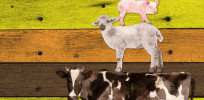
Precision animal breeding: How gene editing could revolutionize animal agriculture and disease control
Given my interests as a veterinarian, indeed the only vet in the House of Lords, my contribution to the Second ...

Viewpoint: Reject GM crops because they’re ‘not natural’? Here’s a primer on 9,000 years of human tampering with our food supply
One of the most frequently cited concerns about ‘genetically modified’ food is that it is ‘unnatural’ or as the then ...

Viewpoint: Britain faces decision of whether to break from Europe’s innovation-killing regulations on CRISPR new plant and animal breeding
MPs and Lords are preparing to debate the remaining stages of the Precision Breeding Bill at Westminster. While a handful ...

Viewpoint: War and global food crisis takes sharp toll on organic market. Maybe it’s time for a more sustainable alternative?
"Is organic’s luck about to run out?” So ran a recent headline in The Grocer magazine, and it got me thinking. Could food ...
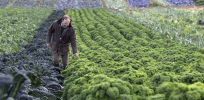
Viewpoint: ‘We can’t reward less productive organic farming’ — A call to re-introduce science to agricultural planning
Faced with global food security concerns and soaring food and energy price inflation, the UK Government seems to have woken ...
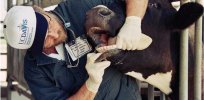
Viewpoint: Why genetic engineering of livestock is compatible with sustainable and humane treatment of animals
Society faces challenges to feed a growing population with a reliable supply of wholesome food, produced to high standards of ...

Viewpoint: Anti-technology activists claim coronavirus outbreaks could be exacerbated by intensive farming. Here’s why they are dead wrong
It is often asserted that intensive livestock systems increase the risk of zoonotic diseases, and this argument is used to ...
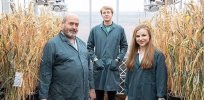
Viewpoint: Introduction of gene edited foods heightens consumer confusion over what ‘genetic modification’ really means
It’s a fickle world, journalism. On 23 May, the Daily Mail announced plans by the UK Government to speed up production of ...