


BBC News
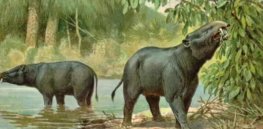
Why humans may not be to blame for ancient African mammal extinction
New research has disputed a longstanding view that early humans helped wipe out many of the large mammals that once ...

‘Baby bust’—Why fertility rates are plummeting around the world
There has been a remarkable global decline in the number of children women are having, say researchers. Their report found ...
‘Moonshot for biology’: Inside the quest to sequence all life on earth
A mission to sequence the genome of every known animal, plant, fungus and protozoan - a group of single-celled organisms ...

Some US towns were untouched by 1918 Spanish flu pandemic. The military wants to know why.
[On 4 June 1919, the Spanish flu] had finally found its way to the remote native Inuit communities that dotted ...
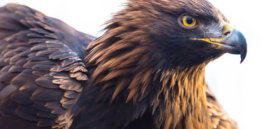
Golden eagle genome gives conservation effort a ‘blueprint for life’
British scientists have made a breakthrough that could help safeguard the future of one of the world's most admired birds ...

Choosing an alternative cancer therapy cuts survival chances, study shows
Cancer patients who use alternative therapies may be more likely to shun conventional treatments and risk their chances of survival, ...
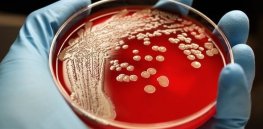
New superbug? Little-known sexually transmitted disease creates worry
A little known sexually transmitted infection could become the next superbug unless people become more vigilant, experts are warning. Mycoplasma ...

Gene therapy cures rat’s paralysis—could human beings be next?
Scientists say they have taken a significant step towards the goal of giving paralysed people control of their hands again ...

The genetics behind malaria’s evolution into a deadly global killer
The secrets of how malaria became a human-killer have been revealed by a genetic study. The work, led by researchers ...
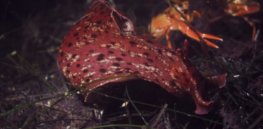
Snail ‘memory transplant’ achieved through RNA transfer
Memory transfer has been at the heart of science fiction for decades, but it's becoming more like science fact. A ...
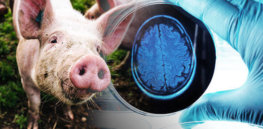
If we can keep bodiless brains alive, do they deserve special protection?
Researchers at Yale University have restored circulation to the brains of decapitated pigs, and kept the organs alive for several ...

Boosting production of key malaria drug with genetically engineered plant
Scientists have modified a plant's genetic sequence to make it produce high levels of a key malaria drug, potentially helping ...

Hidden half of us: ‘You’re more microbe than you are human’
More than half of your body is not human, say scientists. Human cells make up only 43% of the body's ...
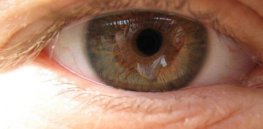
Macular degeneration patients see hope in embryonic stem cell treatment
Doctors have taken a major step towards curing the most common form of blindness in the UK - age-related macular ...
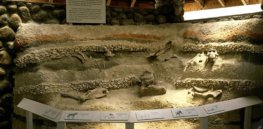
Kenyan cave spears suggest human trade may have developed 100,000 years earlier than thought
Humans may have developed advanced social behaviours and trade 100,000 years earlier than previously thought. This is according to a series of ...

Abnormally large breasts in boys linked to ‘essential oils’ used in common shampoos, soaps and lotions
A suspected link between abnormal breast growth in young boys and the use of lavender and tea tree oils has ...
