Medical ethicist examines ‘how to build a better human’

c x

Science moves fast these days, and remarkable tools for human enhancement seem to emerge frenetically. Society often questions the way these tools should be wielded or whether they should be used at all.

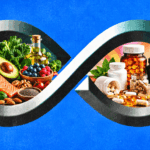
UAB philosophy Professor Gregory Pence, Ph.D., examines these issues in his latest book, How to Build a Better Human: An Ethical Blueprint, released Aug. 16. In the book, Pence writes about improving the human stock from two directions — eliminating dysfunction caused by bad genes and trauma and allowing adults voluntarily to improve themselves. To do this, Pence says, the “underground” research being performed on steroids, mind-expanding drugs, doping and cosmetic dermatology must be studied in the open, scientifically. Pence uses science, logic and ethics to analyze these controversial and ethical issues, as he did in previous works, including Medical Ethics, Elements of Bioethics, Who’s Afraid of Human Cloning? and Cloning After Dolly.


View the original article here: Medical ethicist examines How to Build a Better Human – UAB News


Related Articles

Infographic: Global regulatory and health research agencies on whether glyphosate causes cancer

Infographic: Global regulatory and health research agencies on whether glyphosate causes cancer

Does glyphosate—the world's most heavily-used herbicide—pose serious harm to humans? Is it carcinogenic? Those issues are of both legal and ...

Most Popular

Strawberry Clamshell with Warning Sticker
Viewpoint: Activists hype ‘dangerous level’ of pesticide residues in Driscoll berries: Separating health concerns from fear-mongering
ChatGPT-Image-Mar-10-2026-01_39_01-PM
Viewpoint—“Miracle molecule” debunked: Why acemannan supplements don’t work
Nutrition and Supplements Infinity Collage
Drugs and supplements can extend life and five other longevity myths
Generations United for Immunization
Police raid Guinea-Bissau offices of RFK Jr.-backed vaccine researchers, seize hepatitis B doses
Rustic Skillet of Raw Brains
‘Weird food’? Testicle- and brain-eating, supplement-gulping MAHA health food enthusiasts defend their ‘natural’ diets
Screenshot-2026-10-20-at-2.25.49-PM
RFK Jr.’s anti-vaccine obsession and fear of MAHA derailed bird flu containment plan
Magnifying Glass Highlights NIH Logo
Latest Trump administration proposal to change NIH research grant system draws scientists’ ire
png_cheese_Raw_milk
100% raw milk, 100% misguided: As MAHA-fueled demand for unpasteurized milk soars, American Academy of Pediatrics renews call for a ban on its sale and distribution
Golden-GM-Emblem-with-EU-Stars
As Europe inches forward in its embrace of gene-edited crops, hopes abound that opposition to GMOs might fade
Screenshot 2026-10-16 at 5.38
PFAS in Agriculture: Science, Uncertainty, and Risk Communication
Serene Mature Woman in Abstract Waves
Testosterone’s growing appeal to women: It anecdotally mildly improves sex life, but are there any other potential benefits—or red flags?
psychedelics ptsd neurosciencnews public
Chaos or at peace with the world: The complex ways psychedelics transform the brain
newborn baby spit up gerd
Vaccine-preventable congenital infections are a leading driver of autism
Government Briefing on Autism Trends
Viewpoint: ‘Statistical murder’: Kennedy’s expanding record of “duplicity and mendacity”
glp menu logo outlined

Get news on human & agricultural genetics and biotechnology delivered to your inbox.