Engineered spleen fights sepsis

Researchers have developed a high-tech method to rid the body of infections — even those caused by unknown pathogens. A device inspired by the spleen can quickly clean blood of everything from Escherichia coli to Ebola, researchers report on September 14, 2014, in Nature Medicine.

Blood infections can be very difficult to treat, and can lead to sepsis, an often-fatal immune response. More than 50 percent of the time, physicians cannot diagnose the cause of an infection that has prompted sepsis, and so they resort to antibiotics that attack a broad range of bacteria. This approach is not always effective, and can lead to antibiotic resistance in bacteria.

In search of a way to clear any infection, a team led by Donald Ingber, a bioengineer at the Wyss Institute for Biologically Inspired Engineering in Boston, Massachusetts, developed an artificial ‘biospleen’ to filter blood.

The device uses a modified version of mannose-binding lectin (MBL), a protein found in humans that binds to sugar molecules on the surfaces of more than 90 different bacteria, viruses and fungi, as well as to the toxins released by dead bacteria that trigger the immune overreaction in sepsis.

Read the full, original story: Artificial spleen cleans up blood

New IVF technique may cut multiple births, complications

ivf

News from Japan these week indicates that more than 1 in 30 births in that country in 2012 were the result of in vitro fertilization. That’s a lot.

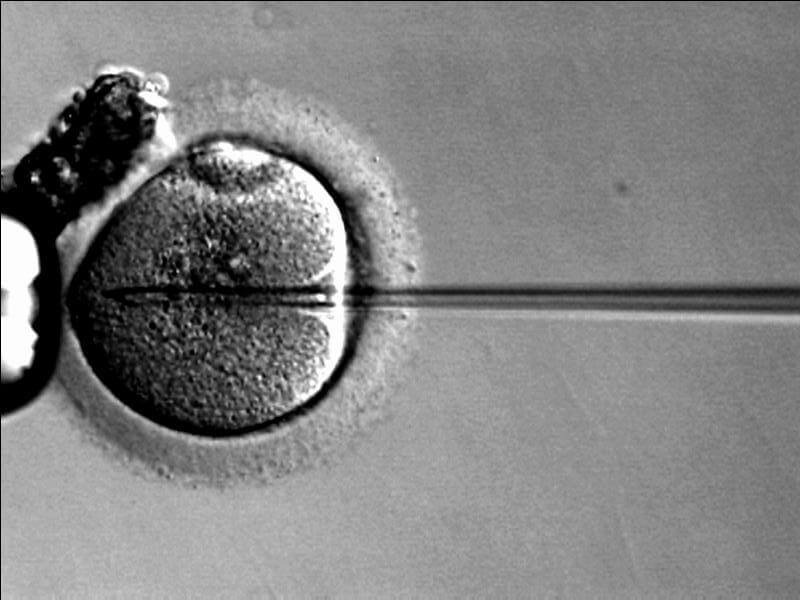
During IVF, a woman’s eggs are harvested after a round or rounds of fertility treatment. These eggs are combined in a laboratory with her partner’s sperm and watched to see if fertilization occurs. The resulting embryos are monitored as they grow, and then some number of them are implanted back into the woman’s uterus in hopes they will implant there and create a successful pregnancy.

There is about a 30 percent chance that a cycle of IVF described above will result in a successful pregnancy. Because the chances are relatively low, women have two or more embryos transferred to their wombs. This causes a higher rate of twin and triplet delivery, and those ‘multiple pregnancies’ carry their own risks including high blood pressure and premature birth. Coupled with this is the fact that many women who chose IVF are of advanced maternal age, over 35, which presents other risks on its own.

It would be better and safer for mom’s using IVF if pregnancies could be limited to one baby. In order to achieve this, doctors are looking at ways to better screen embryos before implantation with the hopes of finding the one most likely to develop into a successful pregnancy.

Chromosomal screening looks at the genetic health of an embryo before its implanted. A 5-day-old embryo has about 120 cells. Doctors take just a few of these, which the embryo can replace, to ensure the right amount of genetic material is there. This process doesn’t check for specific genetic defects, but still costs up to $4,000.

A second technique uses cameras to take time lapse photos of the embryos growing and dividing. “The embryo’s fate can be determined very early in development,” says Barry Behr, director of Stanford University Medical Center’s IVF laboratory. Uneven cell division is often a sign that something is wrong with the blastocyte.

As these screening processes become mainstreamed into IVF, more women will have successful, singleton pregnancies, further reducing any complications that may develop from using fertility procedures to conceive. And as men and women continue to delay marriage and conception, IVF and other fertility methods are almost certain to become more common. It’s important that they be as safe as possible.

Meredith Knight is a blogger for Genetic Literacy Project and a freelance science and health writer in Austin, Texas. Follow her @meremereknight.

Additional Resources:

Large genomic study identifies genes for developmental delays

Charting parts of the genome likely to contain faulty genes is enabling researchers to home in on genes involved in developmental delay and possibly ones behind psychiatric disorders too.

The international study used DNA from 29,000 children who had been diagnosed with developmental delay and compared it with DNA from nearly 20,000 normal adults.

Seven Australian researchers took part in the study, which is reported today in Nature Genetics.

Children with developmental delay reach their milestones – such as making eye contact, sitting and talking – later than other children, explains Professor Jozef Gécz, of the University of Adelaide, one of the Australians involved.

Their developmental delay may be the first sign of intellectual disability or an autism spectrum disorder, he says.

Read the full, original story: Detecting genes for developmental delay

1 in 27 Japanese babies concieved with IVF

One out of about 27 babies born in Japan in 2012 was conceived by in vitro fertilization, a sharp increase from the 1 in about 74 conceived that way 10 years ago, according to the Japan Society of Obstetrics and Gynecology.

Roughly 330,000 IVF procedures were conducted in 2012, with 37,953 babies born in the same year after the procedure, both record highs.

A total of 341,750 IVF babies have been born since the first baby using the fertility treatment was conceived at Tohoku University in 1983.

In IVF treatment, a woman’s egg is surgically removed and fertilized in a laboratory using a man’s sperm. The fertilized egg is then surgically implanted into the woman’s womb.

The number of births in Japan has decreased partly because some couples are choosing to delay marriage and because more women are suffering from infertility caused by aging. However, since public IVF subsidies began in fiscal 2004, more and more married couples have been choosing the treatment.

Read the full, original story: 1 in 27 babies conceived using IVF in 2012

Some people with Alzheimer’s brain plaques rev up cognition to compensate

It’s one of the biggest mysteries of Alzheimer’s. The disease is associated with the formation of protein plaques in the brain, but why is it that some people with plaques seem not to have the disease?

Research suggests that some people’s brains are able to reorganise during the early stages of Alzheimer’s, delaying the appearance of initial symptoms.

The plaques in question are small mounds of a protein called beta-amyloid, and are found in the brains of people with Alzheimer’s disease. Whether these plaques are a cause of the disease has been hotly debated.

William Jagust from the University of California in Berkley found that older people with plaques had increased blood flow – which means stronger activation of that brain area – in the regions of the brain that are usually activated during memory formation, compared with the older people who did not have plaques. The team then analysed whether this extra brain activation might be helping to compensate for the plaques.

Read the full, original story: Brains can power up to get around Alzheimer’s plaques

World not ready for Ebola to develop into an airborne mutation: 1.2 million could die

Ebola Virus x

The Ebola epidemic in West Africa has the potential to alter history as much as any plague has ever done.

The first possibility is that the Ebola virus spreads from West Africa to megacities in other regions of the developing world. This outbreak is very different from the 19 that have occurred in Africa over the past 40 years. It is much easier to control Ebola infections in isolated villages. But there has been a 300 percent increase in Africa’s population over the last four decades, much of it in large city slums. What happens when an infected person yet to become ill travels by plane to Lagos, Nairobi, Kinshasa or Mogadishu — or even Karachi, Jakarta, Mexico City or Dhaka?

The second possibility is one that virologists are loath to discuss openly but are definitely considering in private: that an Ebola virus could mutate to become transmissible through the air. You can now get Ebola only through direct contact with bodily fluids. But viruses like Ebola are notoriously sloppy in replicating, meaning the virus entering one person may be genetically different from the virus entering the next. The current Ebola virus’s hyper-evolution is unprecedented; there has been more human-to-human transmission in the past four months than most likely occurred in the last 500 to 1,000 years. Each new infection represents trillions of throws of the genetic dice.

If certain mutations occurred, it would mean that just breathing would put one at risk of contracting Ebola. Infections could spread quickly to every part of the globe, as the H1N1 influenza virus did in 2009, after its birth in Mexico.

Read the full, original story: What we’re afraid to say about Ebola

New BRCA findings in Jews not strong enough for universal genetic screening

Positively BRCA T Shirt x

Once again we are rushing to send a public health message to women to get screened based on limited evidence that doing so would save lives.

The study you reported involved mutations found in 2.5 percent of a well-defined small population, Ashkenazi Jews. A percentage of that 2.5 percent, not even all, may receive a diagnosis of breast or ovarian cancer —  for example, 50 percent by age 60. Yet a suggested action is risk-reduction surgery to remove healthy body parts, according to the National Cancer Institute and others.

To extrapolate from this high-risk group and this one study to a recommendation for mass population-based genetic screening for all women at 30 is an enormous leap not justified by the evidence.

Women around the world deserve a thoughtful approach to this issue and clear information based on strong scientific evidence, including results of well-designed clinical trials and high-level proof that this would save lives.

We are far from that point. Let’s not overreact and once again create more harm than good.

Read the full, original story: A premature call for mass cancer screening in women

Norman Borlaug inspires biotech-based second ‘Green Revolution’

If Norman Ernest Borlaug were a Roman Catholic, he could be declared a saint immediately. The Church begins the canonisation process five years after the death of the candidate and requires the person be credited with at least two miracles, one of which must have occurred after death.

Borlaug died at the age of 95 on September 12, 2009. By common consent, he is thought to have saved over a billion lives through his intercession with Mother Nature, the non-believer’s equivalent of the Supreme Being.

I have recounted Borlaug’s monumental contribution to what we now call the Green Revolution and its antecedents in these columns earlier (“Gene revolution, the antecedents,” January 22, 2013). To recapitulate briefly, Borlaug went to Mexico in 1944 to help fight hunger. He bred dwarf wheat plants that diverted their bio-energy from vegetative growth (tall plants with long leaves) to reproductive growth with higher grain yield, were disease resistant and flourished when the nutrient depleted soils were given chemical fertilisers.

This process took over 15 years and by the early 1960s, the Mexican wheat yield had increased six-fold!

He came to India in 1966 at the invitation of the government, after the horrendous droughts of 1965 and 1966, when we led a ship-to-mouth existence on PL 480 wheat gifted by the United States. He had brought Mexican wheat seeds with him and replicated the Mexican success. By 1967, there was a turnaround and 1968 showed a jump of 50 percent in our wheat production to reach 16 million tons (today we produce nearly six times as much on twice the acreage). We would have been a basket case otherwise. There could be no greater recognition of Borlaug’s contribution than the Nobel Prize for Peace he received in 1970.

Its stellar success notwithstanding, the Green Revolution has been the subject of intense criticism. The leading antagonist is Vandana Shiva, who has a Ph D in philosophy, but insists that she is an experienced scientist. She has mounted what amounts to a crusade against modern technology-based agriculture, especially that which includes gene-modified (GM) varieties. 

There is no denying the gravity of the problem of feeding 10 billion people and their aspirational requirements in the next 50 years from the same or diminishing area available with weather uncertainties caused by global warming. 

Read the full, original article: Tribute to a saint who did miracle with wheat

Retracted STAP stem cell papers first rejected at another journal; reviewers’ comments now public

Before the two STAP cell papers were published in Nature in January of 2014, much of the same data was reportedly submitted as single papers to other high-profile journals including Science.

In these cases, the proto-STAP papers as we might call them were rejected.

But why?

Until now we largely could only speculate.

However, the reviews of the 2012 proto-STAP manuscript at Science can now be read at Retraction Watch.

As a result of reading the Science reviews, today we know what the reviewers at Science thought in 2012 of this proto-STAP paper and this sheds much light on what went so terribly wrong with STAP overall. There were many big red flags. Keep in mind that the Nature reviewers would not know about the Science reviews unless by chance one or more of the reviewers for Nature had also participated in the review process at Science.

Read the full, original story: Full reviews of rejected STAP paper point to early signs of big trouble

Playing God: An unapolgetic transhumanist manifesto

q

If you’ve ever fantasised about uploading your mind to the internet, or gestating your genetically modified children in an artificial womb, or living forever in a community of immortal, hyper-orgasmic superbeings, you’ll find friends among the members of Humanity+ and other such transhumanist organisations.

In The Proactionary Imperative, sociologists Steve Fuller and Veronika Lipinska aim to “provide a comprehensive intellectual justification for the emerging progressive movement of transhumanism” – a cultural and philosophical movement with its own journal, and even, for a time, its own parliamentary representative, in Italy. Specifically, the authors are interested in what they call the “indefinite promotion” of “our seemingly endless capacity for self-transcendence, our ‘god-like character’, if you will”.

Proactionaries argue that, at the very least, willing volunteers should be allowed to participate in cutting-edge scientific research. And, say Fuller and Lipinska, “proactionaries might well seek long-term benefits for survivors of a revolutionary regime that would permit many harms along the way”. The programme will require “mass surveillance and experimentation”, not to mention the understanding that many people “may turn out to have been used or sacrificed for science”. Nonetheless, they write, “we must have the courage to adopt the role of Natural Selector”.

If the authors are aware how their plans might sound to vulnerable populations, to disabled people or ethnic minorities, they don’t give much evidence of it. Yet it was in response to abuses of these populations that we developed the current research regulation.

Read the full, original story: A manifesto for playing god with human evolution

Pipeline drugs for ovarian cancer will genetically match patients

September is Ovarian Cancer Awareness Month. You might not notice. Ovarian cancer shares the back-to-school educational National Health Observances slot with childhood cancers and prostate cancer, along other medical conditions including sickle cell anemia. So I thought it worth noting what’s up, and down (hint: a trend) with this insidious cancer form.

Ovarian cancer tends to occur in women in their fifties and older; the median age is 63 years. But almost a third of cases arise in women under age 55 years – including many who are genetically disposed, such as by carrying a BRCA mutation or otherwise having a strong family history. Apart from age and genetics, putative risk factors, such as toxin exposure, have not been established for this malignancy type.

[Targeted drugs] are very much needed for women with advanced ovarian cancer and might, also, benefit patients with earlier-stage tumors. As we learn more about the genomic variations of this malignancy – mutations within the tumors – besides inherited, BRCA-like mutations, we should gain ground for smarter therapy.

The new findings on veliparib were presented at the ASCO Breast Cancer Symposium in San Francisco. The study included 98 patients with either triple-negative breast cancer, or ovarian cancer. Among all who enrolled, 70 of the patients (over two thirds) had BRCA mutations, and the majority of those women with BRCA mutations had advanced ovarian cancer. OncLive, an industry platform, offers a few more details about the trial and the apparent, preliminarily-reported responses among women with advanced tumors and BRCA mutations.

Read the full, original story: Ovarian cancer awareness: A declining disease rate, and looking ahead to new drugs

Do anti-GMO activists inhabit an information bubble? Ask Paul Krugman

Screen Shot at PM

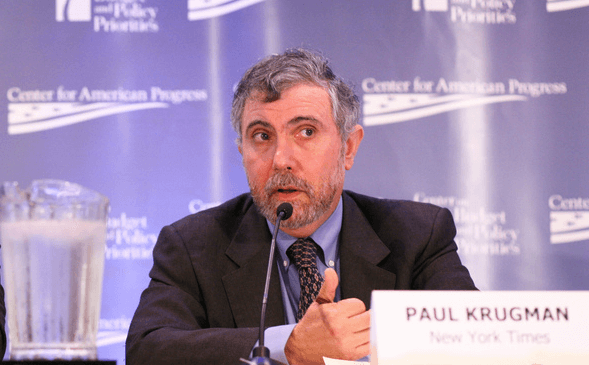
A recent post by liberal economist and New York Times columnist Paul Krugman, describes how critics of Obamacare stay misinformed, but not only because they have incorrect information; they also expose themselves to only “friendly” information sources which limit what is reported. There are parallels to the debate over GMOs.

… [T]here’s something I’ve noticed from the combination of reactions to what I write and researching past coverage of Obamacare. It goes like this: a lot of the untrue beliefs people have about Obamacare come not so much from outright false reporting as from selective reporting. Every suggestion of bad news gets highlighted — especially, of course, but not only by Fox, the WSJ, etc.. But when it turns out that the news wasn’t really that bad, these sources just move on. There are claims that millions of people are losing coverage — headlines! When it turns out not to be true — crickets! Some experts claim that premiums will rise by double digits — big news! Actual premium numbers come in and they’re surprisingly low — not mentioned.

The result is that most news consumers — who form impressions from media buzz rather than trying to work out details of an issue — have the sense that it’s been all bad news.

It seems an apt and parallel description to the asymmetry of information in the two discrete ecosystems of information around the GMO issue.

While anti-anti-GMO folks–those sympathetic to genetic engineering–tend to be aware of the information that the other side is looking at, that is rarely the case going in the other direction. Those critical of GMOs often seem to inhabit an insular information universe while the science community spends a great deal of time debunking the poorly conducted studies that are trumpeted and over-interpreted and twisted in SustainablePulse, GreenMedInfo, the Organic Consumer’s Association, NaturalNews, Food Democracy and various other GMO Free websites.

The folks who read those sites are often not even aware that an alternative ecosystem of information exists–science sites and even the mainstream press. They frequently don’t realize that the studies they are circulating have been roundly critiqued, if not completely discredited. They continue to circulate things like a 2009 editorial by Scientific American that raised questions about the ability of independent researchers to access biotech seeds without realizing that the issue has long since been resolved. They often continue to believe things like the urban myth that biotech crops employ the terminator technology.

Readers of RT.com–the Russian government influenced news site that regularly looks for news that embarrasses the United States–often believe that China is giving up on biotech crops, because it has rejected select shipments with crops they have yet to approve or that it has abandoned some research trials. The antis interpret this as evidence of some safety issue with biotech crops, rather than what it is: an attempt by China to manipulate trade policy and the fact that a particular research trial has ended that didn’t bear the results that had been hoped for.

And people who get all their news from anti-GMO sources rarely understand that there is a lot of research on biotech safety, much of it by independent sources.

Ironically, the mandatory labeling campaigns, launched by anti-GMOers with such high hopes, have so far ended in defeat precisely because they live in this hermetically sealed world. By bringing the GMO issue to the fore and debating the plusses and minutes of genetic engineering in all of its complexity, the ecosystem of misinformation is challenged, ruptured and exposed. It becomes harder every day for all but the most committed opponents of GMOs to stay sealed in their bubbles.

Marc Brazeau is an essayist and editor of Food and Farm Discussion Lab as well as the founder and administrator of the online community of the same name. He also is contributor to Biofortified.org and Skepti-Forum.org. He lives and works in Portland, OR. His Twitter handle is @realfoodorg.

What CRISPR gene editing means for San Fran biotech

A new way to make powerful changes at will to the DNA of humans, other animals and plants, much like how a writer changes words in a story, could usher in a transformation in genetic medicine.

Scientists are not just excited about this recently discovered technique because it can snip and edit DNA with precision. It can also do the job more easily and cheaply than other gene-editing methods, making possible research that has historically been difficult, experts say.

Now some of the biologists who unlocked this tool, derived from the immune system of bacteria, are forming companies around it. Although this molecular system, known as Crispr, is not fully understood, researchers believe it can be harnessed to create therapies for intractable genetic diseases.

One of those scientists, UC Berkeley Professor Jennifer Doudna, was part of the team that in 2012 first demonstrated the technique. It is now employed by two companies she has co-founded: Caribou Biosciences in Berkeley, and Editas Medicine in Cambridge, Mass. The latter started last year with $43 million in venture capital. Another company, the aptly named Crispr Therapeutics in Switzerland, has $25 million in the bank, and other biotechnology companies are experimenting with the procedure.

“In principle, this is a technology that could enable correction of genetic mutations that would otherwise lead to disease,” said Doudna, a professor of chemistry and biochemistry and molecular biology, in a telephone interview. She was among several experts who spoke at a UC Berkeley conference on the subject last month.

Read the full, original story: Editing DNA could be genetic medicine breakthrough

Beyond evolution, transhumanists’ visions for the human race

Homo sapiens were not always so special. In the ancient past, other human forms lived beside us. The Neanderthals in Eurasia. Small, hobbit-like humans in Indonesia. The mysterious Denisovans in the Ural mountains.

But our time alone may be nearing its end. Through the power of technology, humans are set to take on the role of Intelligent Designer. We can upgrade ourselves and surmount evolution. Ultimately, we can become entirely new beings that set the stage for a posthuman future.

The scenario has played out for decades in science fiction but the prospect is raised more seriously by Yuval Noah Harari, an Israeli historian, in his latest book, Sapiens. In it he sees trouble ahead. The latest human enhancements will be accessible only to the rich, leading to a 21st-century society more unequal than any that came before.

The revolution Harari has in mind is borne of engineering and exploits mechanical, electronic, chemical and genetic progress. In place of treatments that correct biological deficits, like failing hearts, poor hearing and weak eyesight, will be procedures that improve on natural performance, making the fortunate recipients biologically better than the rest.

Read the full, original story: Body upgrades may be nearing reality, but only for the rich

Grandma’s diet and diabetes: Epigenetic link found again

As with so much in science, this story owes a lot to mice. The tale begins with a pregnant mouse in a laboratory in Boston, Massachusetts. Such is the unfortunate lot of a lab rodent that she was kept on a near-starvation diet when she was close to giving birth. As scientists expected, her babies were born smaller than usual. When they were raised normally, they later developed diabetes.

Now comes the twist. Even though these mice were well fed, their own young were also born unusually small and with a higher risk of diabetes. This was strange, because nothing had changed genetically and they hadn’t suffered any problems in the womb or after they were born. They should have been perfectly healthy.

This puzzling study, published last month, echoes many performed on mice, worms and plants in the past few years in the name of a relatively young branch of science called epigenetics. In seeking to answer that eternal question of nature versus nurture – does our upbringing shape us or do our genes? – this field has radically introduced a mysterious third element into the mix: the life experience of previous generations.

Read the full, original story: Epigenetics: genes, environment and the generation game

Anti-GMO fervor and vaccine rejection not the liberal equivalent of climate denial

Liberal vs Conservative

For a long time, those wishing to claim that Democrats and Republicans both reject science—we’re all biased, just in different directions—have relied upon two key issues in making their case: vaccines and genetically modified foods, or GMOs.

The suggestion is that these are basically the liberal equivalent of evolution denial or global-warming denial. Skeptic magazine founding publisher Michael Shermer, for instance, prominently cited resistance to GMOs in a Scientific American article last year entitled “The Liberals’ War on Science.” As for vaccines? In a recent segment entitled “An Outbreak of Liberal Idiocy,” no less than The Daily Show suggested that vaccine denial is a left-wing scourge.

GMO concern appeared largely spread across the spectrum in a January 2013 CBS News poll, and while it was somewhat stronger among Democrats (and, as especially strong on the far left), it was also very strong among Republicans and independents. 92 percent of “very liberal” respondents were either “somewhat” or “very” concerned about GMOs, compared with only 71 percent of “very conservative” respondents. 

So why, then, do people so readily assume that vaccine and GMO denial are fundamentally left-wing causes? I suspect because those of us who live in liberal, largely bicoastal cities meet vastly more liberals than conservatives; and thus, we are far more likely to actually encounter liberal or left-wing people who hold these beliefs.

Read the full, original article: Stop pretending that Liberals are just as anti-science as Conservatives

Filipino farmers, scientists: Bt eggplant ‘healthier, safer’ alternative against pests

Local government constituents from Pangasinan province in the Philippines, including municipal agriculturists and farmers, students, members of the media, and other stakeholders signed a declaration of support for the commercial planting of the pest resistant Bt eggplant in the country, during the conclusion of a Public Dialogue on Bt eggplant held at the Pangasinan State University (PSU) Campus on September 3, 2014.

It states that after discussion with the scientists, experts, and farmer resource persons in the dialogue, the stakeholders realize that, Bt eggplant, which is being developed by the University of the Philippines Los Baños (UPLB), “is a healthier and safer alternative solution against the relentless insect pest – the eggplant fruit and shoot borer (EFSB).”

Read the full, original article: Filipino farmers and other stakeholder push for commercialization of BT eggplant

Will new European Commission president be unfriendly to biotech?

The Juncker Commission has promised to be “more political” than its predecessor, something GMO backers see as a negative development for the approval of genetically modified crops in Europe.

For GMO backers, more politics is bad news in the face of national bans imposed by some member states in reaction to widespread public opposition to GM crops.  At issue is a legislative proposal by the Commission which aims to break the deadlock on GMO approvals in Europe by formally allowing EU countries to opt-out from the Europe-wide approval system. The proposal, which was backed by the EU’s 28 environment ministers in June 2014, gives back “full responsibility” to member states over the cultivation of GMOs on their territory.

“It seems to us absurd that the EU now introduces new rules that will make it even harder to cultivate GM crops. Is there any need to change the legislation after all? Europe has already the most stringent regulatory system in the world,” Goig said.

What’s particularly puzzling to biotech firms is that politicians may still decide to ban GM crops, in spite of positive scientific assessments by the European Food Safety Authority (EFSA) concluding that they are safe for consumption.

“Our opponents know these products are safe. If it is unsafe, why allow it to be imported?,” Goig asked.

Read the full, original article: GMO lobby sees new Juncker Commission as bad news

Missouri’s right-to-farm amendment could protect farmers from new GMO regulations

Missouri voters and interest groups are locked in a battle over the right to farm, as some farmers say they need to secure that right in response to animal rights advocates and others that want to restrict the way their profession is done.

Missouri voters in August approved a measure that would enshrine the right to farm in the state constitution. However, it passed by such a narrow margin, a recount is now underway. Missouri’s secretary of state is expected to announce the results of the recount.

The idea behind Missouri’s amendment is to add another layer of protection against any future attempts to pass laws regulating anything from the use of genetically modified crops to how livestock are raised. A host of new regulations could put them out of business, supporters say. Missouri Farm Bureau president Blake Hurst agreed.

“We’ve seen animal care amendments across the nation,” he said. “Just recently we’ve seen the GMO initiatives in both Oregon and Hawaii that have actually curtailed farmer seed choices.  We’re hoping to forestall any of that in Missouri.”

Read the full, original article: Missouri battles over amendment granting ‘right to farm’