New Yorker editor among many who stand by criticism of Vandana Shiva

A profile of the anti-GMO activist Vandana Shiva in The New Yorker in August by Michael Specter has drawn a blistering, 5,000-word rebuttal from Shiva, who accuses Specter of “character assassination,” a “tool used by those who cannot successfully defend their message.”

The New Yorker’s editor, David Remnick, shot back in turn with a rebuttal in which he concedes a few minor errors but otherwise completely dismisses Shiva’s criticism. It begins:

This is in reply to the letter you sent and subsequently posted on the Internet earlier this week. It is not for publication in any way or on your website, but I thought you were asking for a serious reply. So here it is: I should say that since you have said that the entire scientific establishment has been bought and paid for by Monsanto, I fear it will be difficult to converse meaningfully about your accusation that the story contained “fraudulent assertions and deliberate attempts to skew reality.” But maybe I am wrong; I’ll try.

Remnick then went on to give a point-by-point reply to Shiva’s objections.

Shiva charges that Specter’s profile “contains many lies and inaccuracies that range from the mundane (we never met in a café but in the lobby of my hotel where I had just arrived from India to attend a High Level Round Table for the post 2015 SDGs of the UN) to grave fallacies that affect people’s lives.” Perhaps, she continues, “the article was intended as a means to strengthen the biotechnology industry’s push to ‘engage consumers.’”

Faye Flam thought quite the opposite. In a late-August post on Specter’s piece, she wrote that it is “a textbook lesson in how to write about someone who is misguided in some science-related arena without succumbing to the perils of false-balance.” She noted that when Shiva claimed an association between autism, GMOs, and the herbicide glyphosate, Specter did not simply ask a scientist for balancing comment. He reported that the association was meaningless.

Read the full, original article: Anti-GMO activist accuses The New Yorker of ‘grave fallacies that affect people’s lives.’

Video: Cornell Alliance for Science says zero tolerance for GMOs prevents rational conversations

The Cornell Alliance for Science encouraged viewers to “unbundle” GMOs in a two-minute video released last week. Just like how sticks in a bundle are harder to break, conversations about GMOs as a whole are often unproductive.

Each GM trait or crop is unique, and it is far better to look at each one individually and ask questions such as:

-What traits are being modified?

-Who benefits from this technology?

-Are there environmental risks?

-What are the alternatives?

Watch the full, original video: Unbundle GMOs – Promote rational conversation about biotechnology

Whole Foods GMO labeling support designed to pump profits, not inform

whole foods no gmo

A label like that of the Non-GMO Project is uniquely effective at making GMOs seem scary. It highlights—and exaggerates—the prevalence of GMOs in other sections of your grocery store.

It implies that GMOs are the opposite of butterflies and blades of grass. And let’s be clear: The opposite of a butterfly must be something terrible indeed.

In the past few years, entities as diverse as the American Association for the Advancement of Science (which publishes the prestigious journal Science), the Boston Globe editorial page, and Scientific American have come out against the labeling of genetically modified foods.

Their reasons are simple: Massive studies and reviews conducted byacademic scientists, United States government researchers, and the much more GMO-skeptical European Union have found that GMOs, while not without risks, are relatively safe, and have the potential for significant social benefits. And labels warning about genetic engineering tend to scare consumers, and give the impression that GMOs are more dangerous than they are.

Just Label It spokespeople emphasize that consumer advocacy and transparency are their goals, not GMO-bashing. Both their organization’s websites, though, take a blatant anti-GMO tone. And it’s clear why natural foods companies might have a stake in making GMOs into a more controversial issue.

A story of dangerous agribusinesses versus scrappy little farmers fits well into their larger sales narrative. And organic producers are sitting on some of the best GMO-free supply chains in the United States. When people become scared of something like GMOs, a company like Whole Foods stands to profit.

Read full, original article: Whole Foods’ anti-GMO swindle

First patient recieves stem-cell retina in Japan

A Japanese woman in her 70s is the world’s first recipient of cells derived from induced pluripotent stem cells, a technology that has created great expectations since it could offer the same advantages as embryo-derived cells but without some of the controversial aspects and safety concerns.

In a two-hour procedure starting at 2:20 p.m. local time today, a team of three eye specialists lead by Yasuo Kurimoto of the Kobe City Medical Center General Hospital, transplanted a 1.3 by 3.0 millimetre sheet of retinal pigment epithelium cells into an eye of the Hyogo prefecture resident, who suffers from age-related macular degeneration.

The procedure took place at the Institute of Biomedical Research and Innovation Hospital, next to the RIKEN Center for Developmental Biology (CDB) where ophthalmologist Masayo Takahashi had developed and tested the epithelium sheets. She derived them from the patient’s skin cells, after producing induced pluripotent stem (iPS) cells and then getting them to differentiate into retinal cells.

Read the full, original story: Japanese woman is first recipient of next-generation stem cells

Human enhancement upsets extremists on left and right

Transhuman

The prospects of a fast-approaching Age of Enhancement evokes caution in almost everyone, scientist or otherwise. It has been the subject of countless dystopian sci-fi novels.

According to David Ewing Duncan, a journalist specializing in the implications of biotechnology, in an article in The New York Times, the future may be now—and maybe we should welcome it.

What is gene enhancement and how does it differ from gene therapy? The distinctions are fuzzy, but for the most part, gene therapy involves using genetic engineering to alter defective genes or insert corrected genes into the body in order to treat a disease. It is considered more a medical procedure. Enhancement focuses more on what might be called “nature tinkering,” although that too could involve medical measures such as developing vaccines that could strengthen one’s immune system to a point beyond that which would be achieved “naturally.”

The breadth of the subject and the potential for controversy is enormous, which is why Duncan’s views have provoked a torrent of debate. He argued that the technologies that we currently use to treat the sick or to enhance crops and livestock – including the full suite of genetics-based medicine and engineering – are destined to become “irresistible” tools for human augmentation.

“Synthetic biologists,” he wrote, “contend that re-engineering cells and DNA may one day allow us to eliminate diseases; a few believe we will be able to build tailor-made people.”

Genetics, especially as applied to humans, is a sensitive topic, he acknowledged. “Tailor-made people” are both the ultimate in the direct genetic manipulation of mankind and a possibility that makes many people uncomfortable, across the ideological spectrum.

Duncan only touched briefly upon the moral concerns of an Age of Enhancement, which is usually focus of this debate, particularly on the ideological fringes. He is more pragmatic in his analysis. We are destined to embrace it, he wrote – the lure of being better, faster, stronger is too great; the only moral questions worth considering are those that assume an enhanced future.

BBC journalist Michelle Roberts solicited comments on the controversy from a range of bioethics experts who predictably focused on the social dangers of human enhancement. In a world with ever-increasing social divides, it seems entirely plausible that human enhancement (presumably expensive, at least at first), could create a divide between those who enhance themselves and those who, for reasons financial or philosophical, are unable to do so.

Roberts contended that the scientific community, at least in the UK, is ready to take these concerns seriously. The Academy of Medical Sciences, the British Academy, the Royal Academy of Engineering and the Royal Society all urge caution although they all believe that various forms of it are inevitable. Ideologues both left and right were not so measured in their responses, taking particular aim at Duncan’s contention that human enhancement is “irresistible.”

Charles Rubin, an associate professor of political science at Duquesne University and editor of the Futurisms blog at the liberal New Atlantis rebuked Ewing’s vision of an Age of Enhancement as “rather breathless and uncritical.”

He acknowledged that it may be hard to resist the lure of manipulating the genome for personal or the greater good, but tried to draw a hard line between “hard to resist” and “irresistible,” saying not resisting—which he claims is a moral imperative—would be succumbing to laziness and self-indulgence. But Rubin offers no argument as to why, exactly, resistance is medically or morally the most appropriate choice.

Rubin’s protest, which is familiar in very liberal circles, finds an echo among conservatives in a post by Wesley Smith, a senior fellow at the creationist Discovery Institute’s Center on Human Exceptionalism and blogger at National Review. He characterizes Duncan as an uncritical spokesperson for “the Utopian transhumanist would-be human enhancers,” who he believes are mostly left-leaning narcissists.

“I have noticed that these transhumanist types also are generally very liberal politically,” he sneered. “Well, how’s this for liberal? As NYT pundits dream dreams of becoming the Ubermenchen, people in Africa are going hungry…”

Yet Smith’s argument is really very similar to Rubin’s. “[W]e are not flotsam and jetsam floating on currents that we can’t control,” he wrote. “We can say no to the seduction of eugenic human enhancement. We can, as rational human beings, say, ‘Let’s just not go there.’ And we should.” “It’s decadence,” he concluded—ironically, a characterization with which both social critics would likely agree.

Kenrick Vezina is a writer and editor for the Genetic Literacy Project.

Call it what it is: Mitochondrial replacement does not a three-parent baby make

mitochandria

Words like “designer babies,” “three person embryos” and “Frankenbabies” litter headlines opposing an emerging technology that could save thousands of children’s lives each year. These controversial buzzwords are used to describe a method called mitochondria replacement.

The process is technically difficult, But, it could cure a set of rare and varied diseases that derive from faulty mitochondria. These components are found in every cell of the body. They’re responsible for helping each cell produce and use energy. And they have their own genomes, different than the cell itself. Mothers are the only source of mitochondria DNA. All the mitochondria in a person’s body are derived from the original set in the fertilized egg.

Transferring the fertilized nucleus of an embryo with diseased mitochondria to a donor egg with healthy mitochondria stops transmission of diseases which take a brutal and swift toll on babies born with the conditions.

Ewen Callaway in Nature describes one family’s struggle to understand the disease, losing a total of seven children before they realized that mom Sharon was a carrier of mitochandrial disease:

Bernardi had lost three children within hours of birth, owing to a mysterious build-up of acid in their blood. So it was a huge relief when Edward seemed to develop normally. “He did all his milestones: he sat up, he crawled and started to walk at 14 months,” Bernardi recalls. But when he was about two years old, he began to fall over after taking a few steps; he eventually started having seizures. In 1994, when Edward was four, he was diagnosed with Leigh’s disease, a condition that affects the central nervous system. Doctors told Sharon that her son would be lucky to reach his fifth birthday.

If this technology can offer a chance that families won’t suffer horrible loss, why is there such opposition? Perhaps it has something to do with the terminology thrown around by opponents. Instead of explaining what the technology actually does, writers like Jessica Cussins at Biopolitical Times choose technical and stigmatized terminology like ‘germ line manipulation,’ ‘designer babies’ and ‘three parent embryos’ to confuse and put off readers who are not given a chance to understand the technology or its potential impacts.

Even more troubling, Cussins writes about “The Global Consensus against Human Germline Modifications” which inaccurately describes the results of a single survey of UK residents, paid for by an anti-mitochandrial replacement Christian charity, to further lead readers to believe that the technology is ethically untenable and widely accepted as such. Cussins own reporting of the study refutes the idea there is any sort of consensus:

The poll asked 2,031 people three sets of questions. Overall, 35 percent supported changing the UK law to permit “3-parent embryos,” 34 percent opposed it, and 31 percent said they didn’t know. But out of the women who responded, who made up 52% of the total, only 31 percent supported the change while 36 percent opposed it.

That sounds like the British public is at best undecided about the ethics of mitochondrial replacement and offers zero information about global opinion.

Opponents who are willing to discuss the technology argue that there could be unknown effects.

This is true of most emerging medical procedures.

Callaway’s reporting noted that some researchers worry about potential incompatibility between the donor mitochondria genes and those in the nucleus. Some studies have found negative effects and some haven’t.

Others argue that if we allow genetic manipulation of humans to cure these diseases, it will be only a matter of time before we are altering egg and sperm to pick out our children’s eye color and intelligence. But our society has managed to adopt many technologies and adapt them to fit the ethical norms of our culture.

Although it’s a messy process, we have guns but outlaw murder. We use the internet but prosecute child pornographers. To think we can’t do the same with genetic technologies, that they’re some how different, is absurd. Right now the FDA won’t let private industry offer interpretations of DNA to consenting adult customers, for example.

Stories like that of the Bernardi’s family inspired neurologist Douglass Turnbull to become an expert on mitochondrial disease. And his work has come to the forefront of a ongoing legal debate in the UK on whether to permit this research. Critics have been vocal, throwing around the usual buzz words. But for Tumbull, none of it makes sense when compared to the good mitochondrial replacement could do:

“This is not a slippery slope, in my view,” Turnbull says. “This isn’t ‘designer babies’. This is about preventing serious, life-threatening, disabling diseases.”

Sources:

  • Reproductive medicine: The power of three, Nature
  • Will the UK Disrupt the Global Consensus against Human Germline Modifications?, Biopolitical Times
  • Majority of UK Women Oppose Legalizing the Creation of “3-Person Embryos”, Biopolitical Times

Additional Resources:

Brazilian presidential candidate Marina Silva reaches out to agribusiness, renounces anti-GMO stance

Brazilian presidential candidate Marina Silva, an icon of the green movement, is cozying up to old adversaries in the sugar and ethanol industry as she seeks to win over the powerful farm lobby ahead of next month’s election.

Since entering the race in mid-August, Silva has picked a pro-agriculture congressman as her running mate, met repeatedly with agribusiness leaders and campaigned in the farm belt, eager to make allies in an industry that accounts for a quarter of Brazil’s economy.

Her message: conservation and big agriculture would thrive side-by-side in a Silva government and she would roll back the gasoline subsidies that President Dilma Rousseff has used to contain inflation. The fuel price controls have gutted Brazil’s once-booming sugar cane ethanol industry.

Silva, who polls show is slightly ahead of Rousseff in an expected runoff, has also pleased crowds in the farm belt by reminding voters that she has dropped her opposition to genetically modified crops, which have been crucial to Brazil’s rise in recent years as an agricultural power.

“There’s this legend out there that I’m against genetically modified crops. That’s not true. I support a model in which GMO and GMO-free crops co-exist,” she said in a recent TV interview.

A few days later, on a campaign stop in the grains-rich state of Rio Grande do Sul, she said: “I will support agriculture on all levels” – a relief for producers who worry she would favor smaller family farms over the large-scale plantations that have come to dominate Brazil’s countryside.

Silva’s apparent embrace of big agriculture marks an about-face for a lifelong environmentalist who ran for president in 2010 on the Green Party ticket, and she runs the risk of alienating some voters and allies in the green movement.

A former rubber-tapper and maid who grew up poor in the Amazon state of Acre, Silva became a symbol of the global green movement by devoting her life to environmental issues after the murder of her mentor, union leader Chico Mendes, in 1988.

As environment minister between 2003 and 2008, she fought to contain the expansion of Brazil’s grain belt and cattle ranching, helping to reduce the pace of Amazon deforestation by more than half but also angering farmers, ranchers and loggers in the region.

But to win the October election and form the political alliances needed to steer Brazil out of its economic rut, the center-left Silva needs agribusiness leaders and their influential friends in Congress on her side.

Read the full, original article: Brazil’s Silva, a lifelong environmentalist, courts big agriculture

Has Jack the Ripper been identified from DNA?

jack the ripper depp

Scientists have greeted with skepticism (and in some cases derision) the claim that Jack the Ripper has been identified from DNA as an immigrant Polish barber named Aaron Kosminski. It was reassuring to see, for a change, that a good deal of the media coverage reflected that.

Is it possible that defense attorneys on TV have taught people — including reporters — to look at claims for evidence more dispassionately?

Jack the Ripper, of course, is the near-mythical late-19th Century London serial killer, never firmly identified. He is believed to have brutally murdered and mutilated at least five women in 1888, perhaps as many as 11 all told. I say “he” because that seems most likely — the mutilation featured removing bits of a uterus and vagina — even though one of the many candidates endorsed by amateur detectives over the years was a woman.

At the heart of the skepticism is provenance. When judging the worth of a piece of information, consider from whence it came.

First, consider the provenance of the announcement of the new theory. Even though purportedly based on DNA, the hypothesis did not appear in, say, The Lancet or the British Medical Journal. Instead it was published in the Daily Mail, first among those classic London rags that purvey (and sometimes invent) gossip: gossip about the royal family, gossip about movie stars, gossip about politicians — the more salacious the better. Appearance in the Daily Mail is immediate cause for skepticism.

Next, consider the site where the DNA evidence was found: A bloodstained shawl that maybe perhaps belonged to one of the victims. Also, the tale of its recovery is, um, remarkable: the scarf is supposed to have been given to one of the policemen working on the Ripper case more than 125 years ago, which is certainly odd, and then given by him as a gift to his wife, which is even odder.

Was ever a husband so clueless — or hostile? The wife, said to have been quite reasonably horror-struck, stuck the bloody thing away. It remained in storage for more than a century before being auctioned off by one of the happy couple’s descendants.

Price undisclosed, but the purchaser was self-described armchair detective and Ripper tour operator Russell Edwards. Who just happens to be the author of the forthcoming Naming Jack the Ripper, the book that—surprise!—was excerpted by the Daily Mail. Edwards says he was inspired by the 2001 Johnny Depp movie From Hell (although Depp actually played detective Frederick Abberline, not the Ripper.)

The search for mitochondrial DNA

Edwards turned the scarf over to Jari Louhelainen, who lectures on molecular biology at Liverpool John Moores University and is said to freelance as a genetic investigator on cold cases. Louhelainen found blood, presumably the victim’s, but also a stain that looked like semen.

The hunt was on for mitochondrial DNA, usually called the cell’s powerhouse because, as Wikipedia tells us, it can “convert chemical energy from food into a form that cells can use.”

There are hundreds of mitochondria in nearly every body cell, sometimes thousands. So in a search for old degraded DNA, finding mtDNA is more likely than finding DNA from the cell’s nucleus. DNA in the nucleus is usually what we mean when we say “the genome,” but there’s only one copy in each cell.

While mtDNA is more likely to be found because there are so many copies of it, it is also useful only for tracing relationships through maternal lines because it is passed on only from mothers to all their offspring. Edwards found a great-great-great grandaughter of the Ripper victim associated with the shawl, Catherine Eddowes, and Louhelainen said her mtDNA was a match for mtDNA recovered from blood on the shawl. If the data hold up (for example, if other forensic geneticists also found a match), that would be pretty good evidence that the blood on the shawl belonged to the victim Catherine Eddowes.

Is the semen the Ripper’s?

The apparent semen stains were another story. It would be next to impossible to trace them to Jack or any other man. Only mothers pass mtDNA on to all their children, daughters and sons. Fathers do not.  The egg contains mtDNA, but sperm hardly ever do. Sperm contain nuclear DNA, because that’s how fathers pass their genes on, but getting nuclear DNA from that century-old stain was next to impossible too.

However they did find, Louhelainen says in a sidebar to the Daily Mail piece, epithelial cells that might have sloughed off the Ripper’s urethra during ejaculation. From them they recovered mtDNA that purportedly matches the mtDNA of one of Kosminski’s living relatives.

Louhelainen claims that the mtDNA haplotype is T1a1 and says it is common in Russian Jews. Kosminski was Jewish, an immigrant from Poland. I couldn’t find T1a1 in a quick search of Jewish mtDNA haplotypes, a topic I’ve been writing about recently. So that’s puzzling. It is a possible Ashkenazi Jewish mtDNA haplotype, but if so it does not appear to be a common one.

Also puzzling is the fact that Louhelainen says he was able to determine that the provider of the epithelial cells had dark hair. Hair color is determined by genes in the nucleus. It has nothing to do with mtDNA.

I don’t know what to make of Louhelainen’s assertions, except to  say that they are definitely confusing. They also underscore the need for this genetic research to be repeated by sources with no connections to Louhelainen or Edwards—or media circuses.

It’s quite possible that Edwards’s claim is correct. Aaron Kosminski was one of the chief suspects at the time of the murders, and he ended his days in an insane asylum. The violence and personal sexual nature of the slaughters certainly imply a misogynist madman. But the evidence Edwards presents will be unconvincing until it’s confirmed.

I have a suggestion: Send the scarf to Svante Pääbo’s lab at the Max Planck Institute for Evolutionary Anthropology in Leipzig, the source of all wisdom on ancient DNA. The investigators there would be appalled when they learned that the scarf has been handled frequently over the years, and may contain DNA from scores of people. But perhaps they would welcome the challenge.

Tabitha M. Powledge is a long-time science journalist and a contributing columnist for the Genetic Literacy Project. She also writes On Science Blogs for the PLOS Blogs Network. Follow her @tamfecit.

Gene clusters responsible for schizophrenia and patients’ unique disease profiles

Schizophrenia is not a single disease caused by one gene, but rather a group of eight distinct genetic disorders — each with its own set of symptoms, according to a study released Monday.

The new findings, published in The American Journal of Psychiatry, could help doctors diagnose and treat the often-debilitating symptoms associated with the mental illness. While schizophrenia affects people in different ways, some of the most common manifestations include hallucinations or delusions, disorganized speech and behavior, and a disassociation of thoughts and emotions.

Previous research had already led scientists to believe that around 80 percent of the risk of schizophrenia was genetic, but until now they could not determine where it originated. The study’s findings suggest that distinct clusters of gene variations — not a single gene — causes the disease.

“Genes don’t operate by themselves,” C. Robert Cloninger, one of the study’s senior researchers, explained. “They function in concert much like an orchestra, and to understand how they’re working, you have to know not just who the members of the orchestra are, but how they interact.”

They found that those specific genetic variations worked together to produce different severities of the mental illness. People who had distinct gene clusters — 42 of which were identified in the study — were between 70 and 100 percent likely to develop schizophrenia, according to the report.

Of those clusters, researchers were able to identify eight qualitatively unique disorders within what they now see as the “umbrella disease” of schizophrenia — each with its own symptoms and level of severity.

Read the full, original story: Schizophrenia is ‘umbrella disease’ of eight gene disorders, study finds

More genes for prostate cancer, better predictions of inherited risk

An international team of scientists has identified 23 new genetic variants linked to a greater risk for prostate cancer.

Although more research is needed, the researchers said their findings, which bring the total number of common gene variants associated with prostate cancer to 100, could help doctors diagnose the disease earlier and could lead to the development of new treatments.

“Our study tells us more about the effect of the genetic hand that men are dealt on their risk of prostate cancer. We know that there are a few major genes that are rare and significantly affect prostate cancer risk, but what we are now learning is that there are many other common genetic variants that individually have only a small effect on risk, but collectively can be very important,” Ros Eeles, a professor of oncogenetics at The Institute of Cancer Research in London, explained in an institute news release.

Read the full, original story: New gene variants for prostate cancer identified

Gut microbiome makes flu vaccine more or less effective

Proteins from intestinal microbes can enhance the effectiveness of the seasonal flu vaccine, according to a mouse study.

While the vaccine protects against a viral infection, these bacterial triggers stimulate the murine immune system to form protective antibodies more effectively. The results, published today (September 11) in Immunity, further highlight the far-reaching effects of intestinal microbes on host immunity.

“To our knowledge, no one had demonstrated a requirement for microbiota in immunity to vaccination in this way before,” said lead author Bali Pulendran of Emory University in Atlanta.

The new results hint at a previously unknown natural adjuvant effect of the microbiome, explained immunologist Patrick Wilson of the University of Chicago who was not involved with the study. “It’s a surprise that the gut microbiota, and TLR5 in particular, can modulate the immune response to influenza and unrelated pathogens,” he said.

Read the full, original story: Bacteria boost viral vaccine response

Breath test for lung cancer mutations

Scientists have shown that minimal genetic changes can be detected in vapour containing cells engineered to replicate early stage lung cancer. The findings could potentially be used to develop a breath test for lung cancer that is able to distinguish between different gene mutations.

Certain compounds detectable in the breath are known to be potential biomarkers for cancer, but it was not known is whether they reflected specific mutations. To study this, researchers from the University of Liverpool and the Technion – Israel Institute of Technology engineered bronchial airway cells to replicate early lung cancer, before analysing the vapour that had collected in the container used to grow them.

The researchers found that it was possible to distinguish between two different types of gene mutation that were present in the cells.

‘These findings tell us that it’s theoretically possible to develop a test that could diagnose early lung cancer in the breath of patients’, said Dr Mike Davies at the Roy Castle Lung Cancer Research Programme, who led the research.

The test could be used in early diagnostics to identify high-risk patients, explained the researchers. ‘It could also be used to help match patients to the right treatment by providing doctors with a snapshot of the genetic makeup of their individual tumour’, Dr Davies added.

Read the full, original story: Prototype lung cancer breath test checks for gene mutations

India to adopt new insect resistance management strategy for transgenic Bt cotton

Nagpur-based Central Institute for Cotton Research will soon write to the Genetic Engineering Appraisal Committee (GEAC) to allow sale of refuge in bag (RIB) cottonseeds that will have Bt (Bacillus thuringiensis) variety along with non-Bt.

A process such as RIB will ensure that pests present on a farm growing genetically modified crop like cotton and corn do not develop resistance to the Bt gene that destroys them.

“We have conducted tests of RIB seeds for the last three years and the results are promising. We are now preparing the data on the results. Once we prepare them, we will write to GEAC,” said KR Kranthi, director of the research institute. While the Bt variety will make up 95 per cent of the RIB cottonseeds, the non-Bt one will comprise the rest.

The objective of the RIB concept is to make growers comply with norms for growing genetically modified crop and, in turn, make the process simpler.

“During a meeting among stakeholders of Bt cotton, Monsanto floated the idea. We at the CICR told them that we would also like to test the RIB process,” said Kranthi.

“We think there is no other choice left for farmers. This is because the current practice of issuing the non-Bt seeds for refuge crop is not working. Seed companies should ensure that 95 per cent of the seeds in the bag will essentially be Bt,” he said.

Read the full, original article: An RIB solution to make pests non-resistant to Bt gene

1 in 27 Japanese babies concieved with IVF

One out of about 27 babies born in Japan in 2012 was conceived by in vitro fertilization, a sharp increase from the 1 in about 74 conceived that way 10 years ago, according to the Japan Society of Obstetrics and Gynecology.

Roughly 330,000 IVF procedures were conducted in 2012, with 37,953 babies born in the same year after the procedure, both record highs.

A total of 341,750 IVF babies have been born since the first baby using the fertility treatment was conceived at Tohoku University in 1983.

In IVF treatment, a woman’s egg is surgically removed and fertilized in a laboratory using a man’s sperm. The fertilized egg is then surgically implanted into the woman’s womb.

The number of births in Japan has decreased partly because some couples are choosing to delay marriage and because more women are suffering from infertility caused by aging. However, since public IVF subsidies began in fiscal 2004, more and more married couples have been choosing the treatment.

Read the full, original story: 1 in 27 babies conceived using IVF in 2012

World not ready for Ebola to develop into an airborne mutation: 1.2 million could die

Ebola Virus x

The Ebola epidemic in West Africa has the potential to alter history as much as any plague has ever done.

The first possibility is that the Ebola virus spreads from West Africa to megacities in other regions of the developing world. This outbreak is very different from the 19 that have occurred in Africa over the past 40 years. It is much easier to control Ebola infections in isolated villages. But there has been a 300 percent increase in Africa’s population over the last four decades, much of it in large city slums. What happens when an infected person yet to become ill travels by plane to Lagos, Nairobi, Kinshasa or Mogadishu — or even Karachi, Jakarta, Mexico City or Dhaka?

The second possibility is one that virologists are loath to discuss openly but are definitely considering in private: that an Ebola virus could mutate to become transmissible through the air. You can now get Ebola only through direct contact with bodily fluids. But viruses like Ebola are notoriously sloppy in replicating, meaning the virus entering one person may be genetically different from the virus entering the next. The current Ebola virus’s hyper-evolution is unprecedented; there has been more human-to-human transmission in the past four months than most likely occurred in the last 500 to 1,000 years. Each new infection represents trillions of throws of the genetic dice.

If certain mutations occurred, it would mean that just breathing would put one at risk of contracting Ebola. Infections could spread quickly to every part of the globe, as the H1N1 influenza virus did in 2009, after its birth in Mexico.

Read the full, original story: What we’re afraid to say about Ebola

Some people with Alzheimer’s brain plaques rev up cognition to compensate

It’s one of the biggest mysteries of Alzheimer’s. The disease is associated with the formation of protein plaques in the brain, but why is it that some people with plaques seem not to have the disease?

Research suggests that some people’s brains are able to reorganise during the early stages of Alzheimer’s, delaying the appearance of initial symptoms.

The plaques in question are small mounds of a protein called beta-amyloid, and are found in the brains of people with Alzheimer’s disease. Whether these plaques are a cause of the disease has been hotly debated.

William Jagust from the University of California in Berkley found that older people with plaques had increased blood flow – which means stronger activation of that brain area – in the regions of the brain that are usually activated during memory formation, compared with the older people who did not have plaques. The team then analysed whether this extra brain activation might be helping to compensate for the plaques.

Read the full, original story: Brains can power up to get around Alzheimer’s plaques

Large genomic study identifies genes for developmental delays

Charting parts of the genome likely to contain faulty genes is enabling researchers to home in on genes involved in developmental delay and possibly ones behind psychiatric disorders too.

The international study used DNA from 29,000 children who had been diagnosed with developmental delay and compared it with DNA from nearly 20,000 normal adults.

Seven Australian researchers took part in the study, which is reported today in Nature Genetics.

Children with developmental delay reach their milestones – such as making eye contact, sitting and talking – later than other children, explains Professor Jozef Gécz, of the University of Adelaide, one of the Australians involved.

Their developmental delay may be the first sign of intellectual disability or an autism spectrum disorder, he says.

Read the full, original story: Detecting genes for developmental delay

National Academy of Sciences convenes panel to re-evaluate GMOs

nas building
The National Academy of Sciences (NAS) is embarking on a comprehensive study of genetically engineered (GE) crops. It will examine the historic development of agricultural biotechnology, assess the “purported” benefits and negatives of GE crops, review food and environmental safety issues, and explore where the technology may be headed. What is prompting such a deep dive into a thorny thicket? This:

Consumers in the United States and abroad get conflicting information about GE crops. Proponents tout the benefits while opponents emphasize the risks.  There is a need for an independent, objective study that examines what has been learned about GE crops, assesses whether initial concerns and promises were realized since their introduction, and investigates new concerns and recent claims.

It so happens that the first public meeting for this study will be held Monday and Tuesday.

[Editor’s note: GLP’s Jon Entine will be speaking to the panel on Tuesday at 1:50 p.m. eastern time. Here is the schedule for the two days. The webcast of the two days of presentations can be accessed through the NAS here.] [T]he NAS study now underway. Remember, the justification for it is that “the public gets conflicting information about GE crops.”  Yet, as I showed above, there is nothing ambiguous about the safety of GMOs. This is not to say that agricultural biotechnology doesn’t warrant strict regulation, monitoring, and continued testing. But let’s be clear: Thus far, nothing in the global food supply derived from genetically modified crops has been found harmful to public health.

So where is “conflicting information” coming from? Unfortunately, much skewed information on GMOs comes from thought leaders, advocacy journalists, and public interest groups, as I discussed in this 2012 Slate piece. And it will be on display at this week’s NAS public meeting. For a virtual who’s who of cranks, pseudoscientists and ideologues–the worker bees and stars on the anti-GMO circuit–will be appearing before the committee (Reputable scientists and science communicators will also be represented.) I don’t have time to run through them all, but two notorious individuals (who should be familiar to anyone vaguely familiar with the GMO discourse) are giving their presentations back to back on Tuesday: Jeffrey Smith and Gilles-Éric Séralini.

Read full original study: A science panel dives deep into the GMO Thicket


New IVF technique may cut multiple births, complications

ivf

News from Japan these week indicates that more than 1 in 30 births in that country in 2012 were the result of in vitro fertilization. That’s a lot.

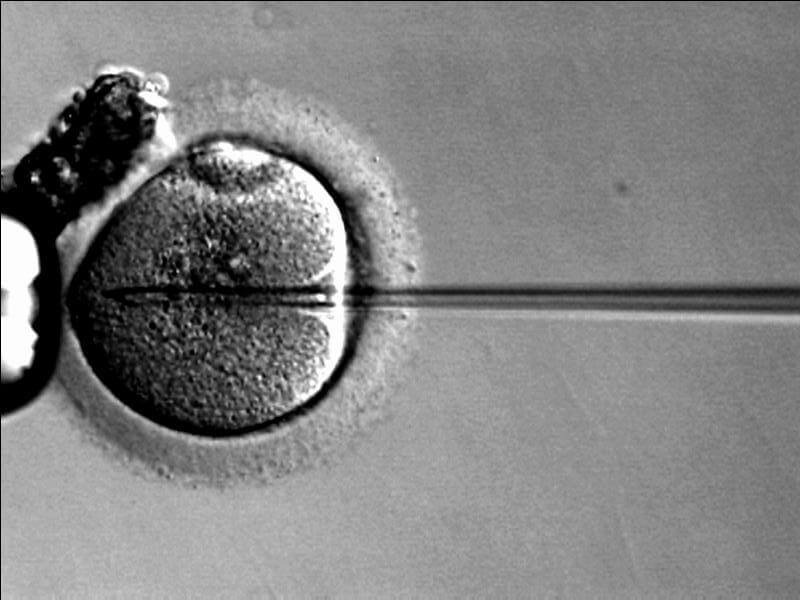
During IVF, a woman’s eggs are harvested after a round or rounds of fertility treatment. These eggs are combined in a laboratory with her partner’s sperm and watched to see if fertilization occurs. The resulting embryos are monitored as they grow, and then some number of them are implanted back into the woman’s uterus in hopes they will implant there and create a successful pregnancy.

There is about a 30 percent chance that a cycle of IVF described above will result in a successful pregnancy. Because the chances are relatively low, women have two or more embryos transferred to their wombs. This causes a higher rate of twin and triplet delivery, and those ‘multiple pregnancies’ carry their own risks including high blood pressure and premature birth. Coupled with this is the fact that many women who chose IVF are of advanced maternal age, over 35, which presents other risks on its own.

It would be better and safer for mom’s using IVF if pregnancies could be limited to one baby. In order to achieve this, doctors are looking at ways to better screen embryos before implantation with the hopes of finding the one most likely to develop into a successful pregnancy.

Chromosomal screening looks at the genetic health of an embryo before its implanted. A 5-day-old embryo has about 120 cells. Doctors take just a few of these, which the embryo can replace, to ensure the right amount of genetic material is there. This process doesn’t check for specific genetic defects, but still costs up to $4,000.

A second technique uses cameras to take time lapse photos of the embryos growing and dividing. “The embryo’s fate can be determined very early in development,” says Barry Behr, director of Stanford University Medical Center’s IVF laboratory. Uneven cell division is often a sign that something is wrong with the blastocyte.

As these screening processes become mainstreamed into IVF, more women will have successful, singleton pregnancies, further reducing any complications that may develop from using fertility procedures to conceive. And as men and women continue to delay marriage and conception, IVF and other fertility methods are almost certain to become more common. It’s important that they be as safe as possible.

Meredith Knight is a blogger for Genetic Literacy Project and a freelance science and health writer in Austin, Texas. Follow her @meremereknight.

Additional Resources: