The GLP aggregated and excerpted this blog/article to reflect the diversity of news, opinion and analysis.
The World Health Organization’s International Agency for Research on Cancer (IARC) announced on October 26 that it has classified processed meat as a human carcinogen. Red meat also was classified as a probable human carcinogen.
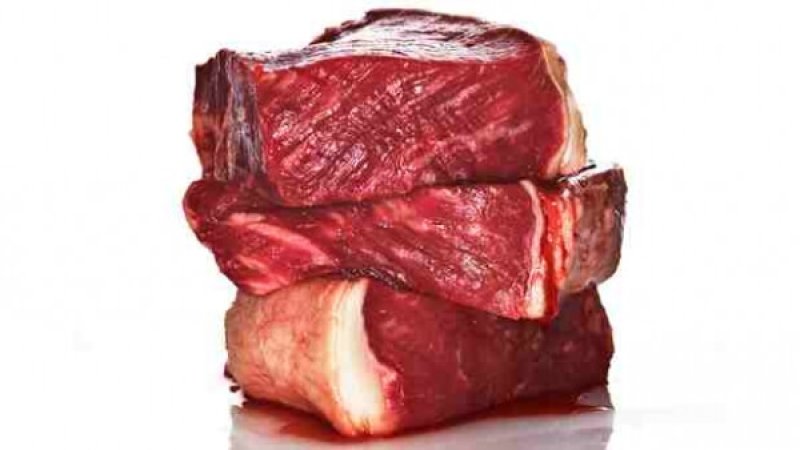
The group cited “sufficient evidence” linking processed meat—such as bacon and sausage—to colorectal cancer. The red meat category includes beef, veal, pork, and lamb.
The IARC evaluates substances suspected of causing cancer in humans, and arrives at its classifications by convening a working group of international experts to assess the strength and quality of the evidence—in this case, more than 800 studies. Although the classifications have no regulatory impact in the United States, they are likely to further intensify the heated debate about meat-eating, which has made headlines since February, when the updated U.S. Dietary Guidelines recommended eating less meat.
The classification could also fuel lawsuits. Another recent IARC report, which classified the herbicide glyphosate as a probable human carcinogen, has prompted some law firms to seek out cancer sufferers who were exposed to the chemical, to file suit on their behalf.

The North American Meat Institute (NAMI) immediately issued a statement declaring the classification as defying “both common sense … other studies showing the many health benefits of balanced diets that include meat.”
Many reviews of research on the best-established link between meat and cancer—colorectal cancer—find that there is a convincing association between meat eating and colorectal cancer. The question is whether the meat eating causes the cancer, or whether meat eaters are eating or doing other things that put them at risk.
Read full, original post: Bacon, sausage and other processed meats cause cancer, World Health Organization warns