
Green Line: Why plant scientists need to talk about climate change impacts on farming

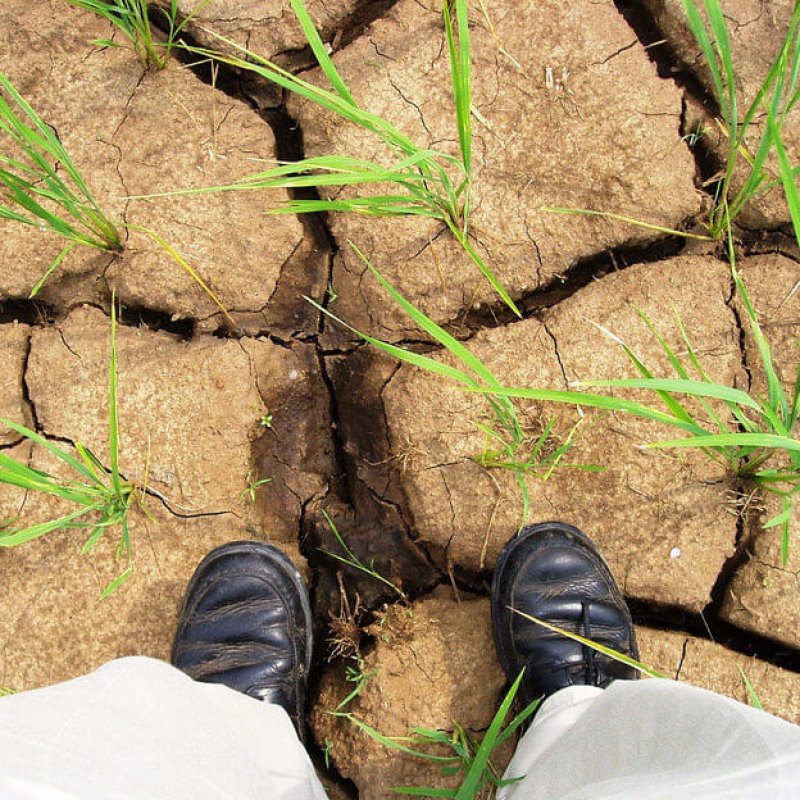
drought ground e

[Editor’s note: Kevin Folta is a molecular biologist and chair of the horticultural sciences department at the University of Florida.]

As a molecular biologist, I take a lot of heat when I write about the subject of climate. Look at my Twitter feed. Friends, followers and flunkies all let me have it with both barrels, “Stick to plants, you’re not a climate scientist!”

…

If I’m going to lead efforts in plant genetic improvement or methods to enhance plant production — I have to understand climate trajectory.

It is no secret. Canada has three more growing weeks than they did in the 1950’s. The crops they can grow are different from decades ago, usually for the benefit of the Canadian farmer. Other regions suffer. In the southern regions of the USA tree crops like peaches do not receive adequate chilling in order to flower and set abundant fruit. Across the board new pests and pathogens enjoy a greater range and less winter kill. This new reality is part of agriculture, and a reality those of us serving agriculture need to embrace and analyze. If we do not intimately understand, predict, and plan for agriculture’s future canvas we are failing our farmers.
…

It is my job to consider the backdrop of farming’s future, as our efforts in genetics and production must be agile and adaptable if we are going to continue to serve farmers and families.

The GLP aggregated and excerpted this blog/article to reflect the diversity of news, opinion, and analysis. Read full, original post: Climate, Change, and the Thin Green Line

Related Articles

Infographic: Global regulatory and health research agencies on whether glyphosate causes cancer

Infographic: Global regulatory and health research agencies on whether glyphosate causes cancer

Does glyphosate—the world's most heavily-used herbicide—pose serious harm to humans? Is it carcinogenic? Those issues are of both legal and ...

Most Popular

Screenshot-2026-11-16-at-2.37.32-PM
30 years of GMO farming: Is the boom in glyphosate and glufosinate use harming the environment? Data show they’re the most sustainable choice
ChatGPT-Image-Mar-10-2026-01_39_01-PM
Viewpoint—“Miracle molecule” debunked: Why acemannan supplements don’t work
Soybean Harvest in Cupped Hands
30 years of GMO farming: Defying cynics, we’ve had larger harvests, lower costs, and $385 billion in added global farmer income
Screenshot-2026-11-19-at-7.23.23-PM
Viewpoint: After a yearlong hiatus, the U.S. Preventive Services Task Force is back in business—gutted by RFK Jr. and promoting junk science
Stormlit Portrait Over Golden Mountains
Searching for life where no one thought to look: A renowned astrophysicist’s seemingly quixotic quest to explore Venus’s clouds
Screenshot-2026-11-19-at-7.54.57-PM
European General Court sides with scientists, dismisses activist claims that glyphosate is toxically dangerous
Nurturing Care Beneath the Crunchy Moms Logo
Crunchy Moms disinformation flood: Zuckerberg's Facebook has opened floodgates on measles and vaccines
glp menu logo outlined

Get news on human & agricultural genetics and biotechnology delivered to your inbox.











