House science committee to consider cutting US funding for IARC cancer agency

Screen Shot at AM x

The House Science, Space and Technology Committee [Tuesday, Feb. 6] is likely to consider whether Congress should cut off millions of dollars of U.S. funding for an international cancer agency.

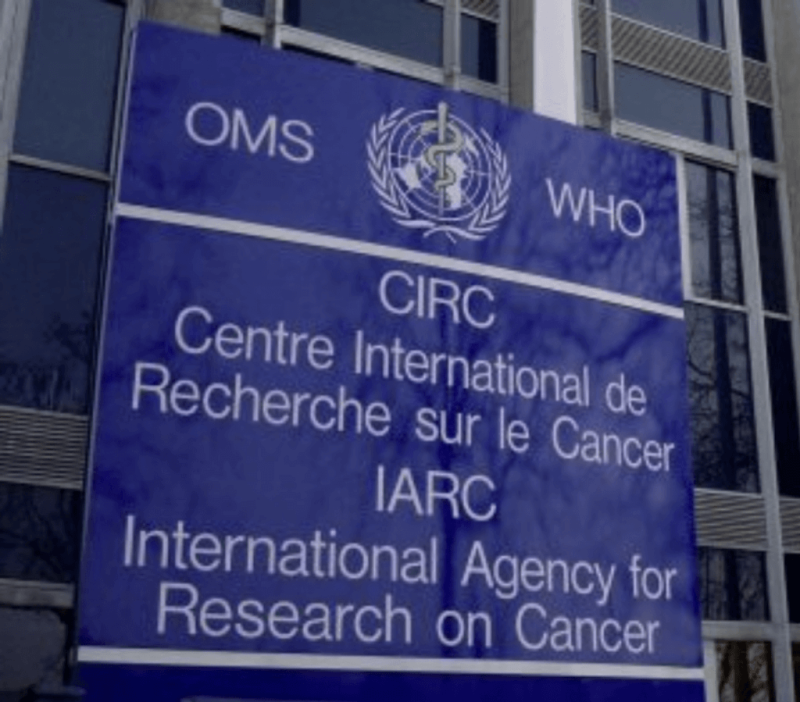
The potential move was prompted by a controversial 2015 determination that the widely used herbicide glyphosate is “probably carcinogenic.”

The finding by the World Health Organization’s International Agency for Research on Cancer has been questioned by Monsanto Co., which uses glyphosate in its popular Roundup weed killers, as well as many Republican lawmakers.

The science committee, in particular, has been dogged in its second-guessing of IARC’s work. Chairman Lamar Smith (R-Texas) and Andy Biggs (R-Ariz.), who leads the Environment Subcommittee, have signed onto several letters to top officials at WHO, the Department Health and Human Services, and U.S. EPA asking about their potential roles in the glyphosate decision.

Late last year, Smith, Biggs and Rep. Frank Lucas (R-Okla.), the vice chairman of the full committee, went so far as to threaten to withdraw American support for IARC. The international body has received more than $48 million from the U.S. since 1985, $22 million of which has gone to its Monograph Programme.

The science committee leaders’ warning was part of an attempt to secure a witness from IARC for Tuesday’s hearing. It appears those efforts were unsuccessful.

Read full, original post: Lawmakers to debate cutting cancer funding over glyphosate (registration required)

{{ reviewsTotal }}{{ options.labels.singularReviewCountLabel }}
{{ reviewsTotal }}{{ options.labels.pluralReviewCountLabel }}
{{ options.labels.newReviewButton }}
{{ userData.canReview.message }}

Related Articles

Infographic: Global regulatory and health research agencies on whether glyphosate causes cancer

Infographic: Global regulatory and health research agencies on whether glyphosate causes cancer

Does glyphosate—the world's most heavily-used herbicide—pose serious harm to humans? Is it carcinogenic? Those issues are of both legal and ...

Most Popular

ChatGPT-Image-May-7-2026-12_32_36-PM
Viewpoint: The state of U.S. vaccine policy? Dismal nationally, but some states are stepping up.
Picture1
The FDA couldn’t find a vaccine safety crisis, so it buried its own research
Screenshot-2026-04-22-at-12.21.32-PM
Viewpoint: Why the retracted Monsanto glyphosate study doesn’t change the science—the world’s most popular herbicide is safe 
Screenshot-2026-04-13-at-1.39.26-PM
Viewpoint: ‘Safer for children?’ Stonyfield yogurt under fire for deceptive organic marketing
Screenshot-2026-04-22-at-10.46.29-AM
Viewpoint: How to counter science disinformation? Science journalist offers 12 practical tips
the magic of mRNA
Viewpoint: Anti-vax fake ‘turbo cancer’ claims threaten cancer treatment breakthroughs
ChatGPT-Image-May-7-2026-12_16_37-PM-2
Viewpoint: Are cancer rates ‘skyrocketing’ as RFK, Jr. and MAHA claim? The evidence says mostly the opposite
placebo
Viewpoint — Alternative medicine and the placebo effect: Selling a reassuring illusion of health
ChatGPT-Image-May-18-2026-01_45_05-PM-2
Newest hantavirus conspiracy: Online disinformation turns outbreak into latest ivermectin grift
Defense_Secretary_Ash_Carter_tours_the_Microsoft_Cybercrime_Center_in_Seattle_March_3_2016
How criminals are using AI to target social media users and steal their money and confidential data
artificial intelligence brain think illustration md
Viewpoint — Digital gods and human extinction: Will we be the first species ever to design our own descendants?
_20250221_nib_rfk_trump
Viewpoint: 'Crisis of public trust': Autism support community shocked RFK continues to peddle false claims about the danger of vaccines
glp menu logo outlined

Get news on human & agricultural genetics and biotechnology delivered to your inbox.