Do biotech crops boost yields for organic farmers?

organic

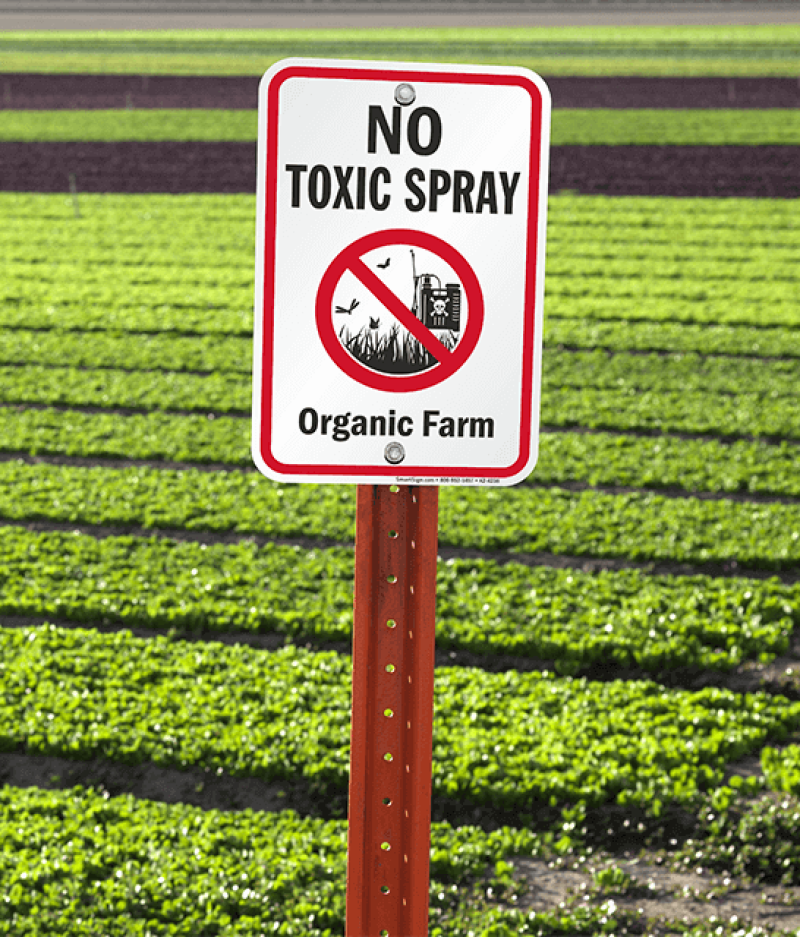
Nutrition, the environment and worker’s wellbeing are the banners of the green crusade. But, with organics charging an average of 50% more for food and 30% more for clothes, do those reasons justify the costs and more importantly, are the claimed benefits proven facts or simply clever marketing?

Data from the USDA reveals that the average organic farm under produces by 20%  and that [organic] wheat yields are lagging half a century behind  normal farms. Consequently, organic farms require 16-33% more land than usual, land that cannot be spared. In fact, if it wasn’t for neighboring conventional growers curbing the spread of pests and disease (much like vaccines protect non-vaccinated individuals) then [organic] farms would be even more inefficient.

Despite claims that “natural” fertilizers are more energy efficient because they do not make direct use of fuels, it has been calculated that roughly half of organic fertilizer requirements are met— through a round about, conventionally fertilized corn-cow-organic compost, cycle which is both wasteful and illogical— by the haber-bosch process.
The insecticide Rotenone, which is prohibited in the EU and US because of its extreme toxicity to fish, and Copper Sulphate— a fungicide which is linked to liver disease in workers, bioaccumulates in the soil and is also deadly to fish— are both approved [for organic farming], even though there are much safer synthetics available.

Read full, original article: Organic: It’s dirtier than you think

{{ reviewsTotal }}{{ options.labels.singularReviewCountLabel }}
{{ reviewsTotal }}{{ options.labels.pluralReviewCountLabel }}
{{ options.labels.newReviewButton }}
{{ userData.canReview.message }}

Related Articles

Infographic: Global regulatory and health research agencies on whether glyphosate causes cancer

Infographic: Global regulatory and health research agencies on whether glyphosate causes cancer

Does glyphosate—the world's most heavily-used herbicide—pose serious harm to humans? Is it carcinogenic? Those issues are of both legal and ...

Most Popular

Screenshot-2026-04-22-at-12.21.32-PM
Viewpoint: Why the retracted Monsanto glyphosate study doesn’t change the science—the world’s most popular herbicide is safe 
Picture1
The FDA couldn’t find a vaccine safety crisis, so it buried its own research
ChatGPT-Image-May-7-2026-12_32_36-PM
Viewpoint: The state of U.S. vaccine policy? Dismal nationally, but some states are stepping up.
placebo
Viewpoint — Alternative medicine and the placebo effect: Selling a reassuring illusion of health
_20250221_nib_rfk_trump
Viewpoint: 'Crisis of public trust': Autism support community shocked RFK continues to peddle false claims about the danger of vaccines
ChatGPT-Image-May-18-2026-01_45_05-PM-2
Newest hantavirus conspiracy: Online disinformation turns outbreak into latest ivermectin grift
Screenshot-2026-04-13-at-1.39.26-PM
Viewpoint: ‘Safer for children?’ Stonyfield yogurt under fire for deceptive organic marketing
the magic of mRNA
Viewpoint: Anti-vax fake ‘turbo cancer’ claims threaten cancer treatment breakthroughs
Screenshot-2026-04-22-at-10.46.29-AM
Viewpoint: How to counter science disinformation? Science journalist offers 12 practical tips
ChatGPT-Image-May-7-2026-12_16_37-PM-2
Viewpoint: Are cancer rates ‘skyrocketing’ as RFK, Jr. and MAHA claim? The evidence says mostly the opposite
Defense_Secretary_Ash_Carter_tours_the_Microsoft_Cybercrime_Center_in_Seattle_March_3_2016
How criminals are using AI to target social media users and steal their money and confidential data
ChatGPT-Image-May-18-2026-12_06_18-PM-2
Defying death: The immortality movement goes mainstream
glp menu logo outlined

Get news on human & agricultural genetics and biotechnology delivered to your inbox.