How CRISPR gene editing is revolutionizing the world–and why we need to cautious about it

Screen Shot at AM

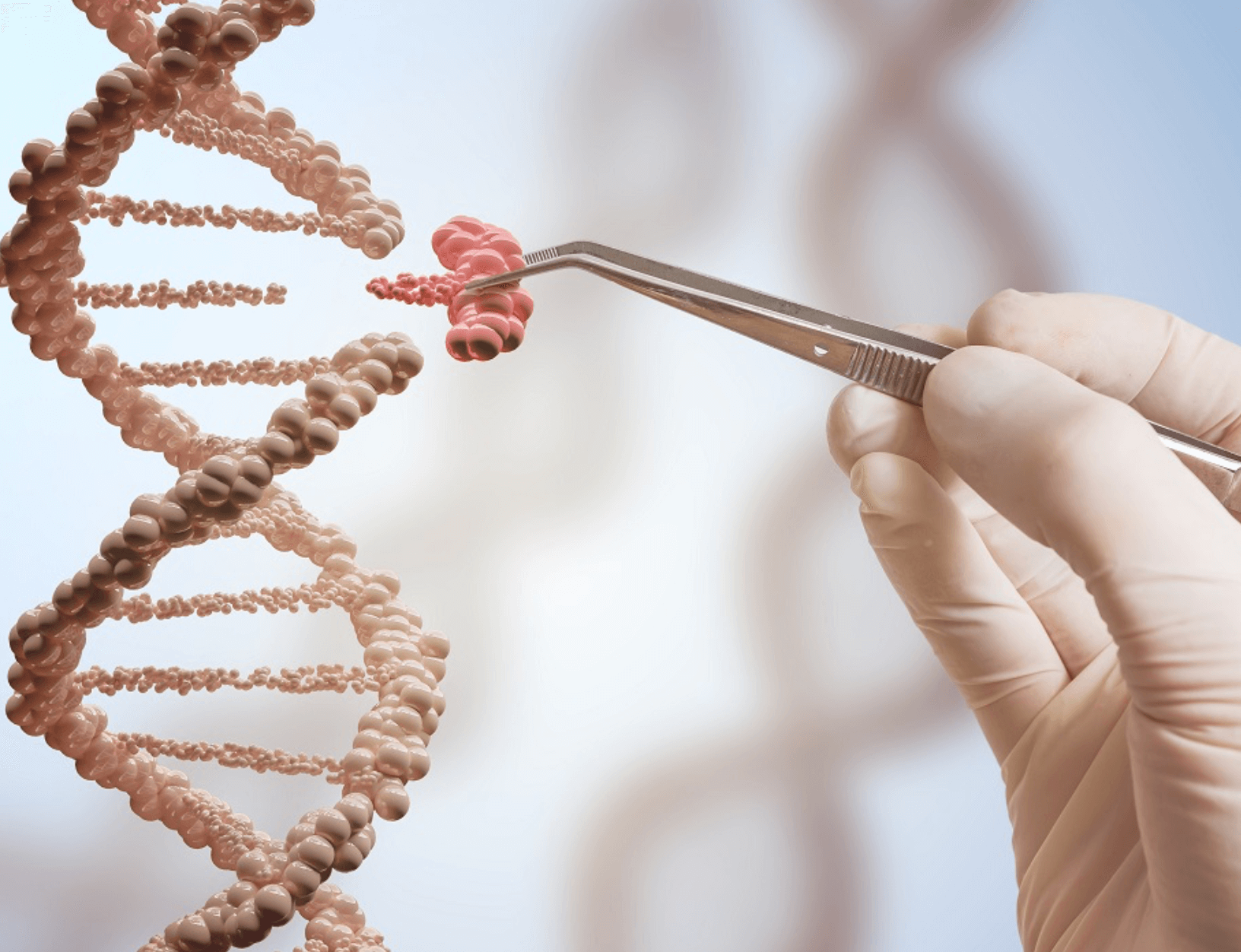
Until recently, gene editing used to be relegated to science fiction novels and movies. The idea of being able to edit our genetic code or the genetics of other creatures was something that was totally out of reach — until CRISPR changed all that.

What has Crispr been used for and what could it help accomplish in the future?

Cancer treatment — Just this past year, scientists showed in pre-clinical settings that CRISPR can be used to modify the DNA in cancer cells, effectively killing the cells and shrinking cancerous growths.

Huntington’s disease — This currently incurable genetic condition is almost always fatal in humans. Crispr can be used to edit out the gene that causes it in mice, reversing the condition. It is expected to be applied to human trials in the not-too-distant future.

Biofuel — Outside of the medical industry, CRISPR has been used to modify algae that produce biofuel. The modified algae produces twice as much fuel as its unmodified counterpart.

What could this be used for in the future? Pest control — Specifically, pests like mosquitoes and ticks that can spread disease.

CRISPR may be one of the most exciting advances in genetic research in recent years, but we should still be careful with how we use it. We don’t understand the impact of genetic manipulation well enough yet to forge ahead carelessly.

Read full, original post: How CRISPR gene editing is poised to change everything from medicine to ecosystems

Gender differences: Do females recover more slowly from concussions than males?

concussion

A recent study of middle- and high school athletes found that the female athletes took twice as long to be symptom-free as the male athletes. Shockingly, the female athletes took nearly a full month to report being symptom-free, while the male athletes took less than two weeks. It was reported widely across the media as evidence the young women may have a special problem with concussions. This conclusion, unfortunately, is not well supported.

There are hundreds of thousands of female athletes who have scholarships, professional careers, and Olympic hopes at stake, and let’s not forget the basic principle that our girls deserve equal opportunity as the boys to participate in sports.

There may very well be gender differences in concussion, but when looking at subjective measures we need to be careful to look at the whole picture and consider context. If we put the focus on female athletes by declaring that they “take longer to recover,” we are assuming that male athletes are taking the right amount of time. But given what we are still learning about long-term contact sport participation and repeated concussions, maybe it isn’t that female athletes are taking longer—it’s that male athletes aren’t taking long enough. If we prematurely accept the premise that boys recover faster, we risk abandoning them to the perils of their own false ideas of heroism.

Read full, original post: On Gender and Concussion Recovery: Let’s not Jump to Conclusions 

How ‘minor insults to the brain’ could fuel Alzheimer’s

inflammation

When it comes to the perpetrator of Alzheimer’s disease (AD), the finger of blame has long pointed to hard deposits of protein in the brain known as amyloid plaques. But smouldering signs of inflammation are also clearly evident in the background.

Now a paper in Nature reveals how the two processes connive. During inflammation, specks of a protein called ASC are released. Like the grit inside a pearl, they seed the deposition of amyloid. The authors – Carmen Venegas at the University of Bonn, Germany and colleagues – showed that in mice, removing the specks prevented the formation of amyloid and slowed progression of the disease.

The findings show how inflammation and amyloid may collude in a vicious cycle to cause the disease. Amyloid deposits cause inflammation; inflammation releases ASC; ASC seeds the deposition of more amyloid plaque.

What this means, explains senior author Michael Heneka, is that minor insults to the brain – perhaps a virus or mild injury – could snowball into a major inflammatory cascade that kills off neurons.

Heneka points out that population studies already show the use of anti-inflammatory drugs like ibuprofen allay the onset of AD. But he says these drugs are too non-specific. Many drug companies are now focused on finding drugs that inhibit the function of the inflammasome in a particular tissue. “This is all under way,” he says.

Read full, original post: Brain inflammation sows the seeds of Alzheimer’s

Uganda’s president declines to sign GMO bill into law

Digital marketplace x

Ugandan President Yoweri Museveni has declined to sign into law a bill on the development and application of genetically modified organisms (GMO) technology in the country.

The National Biotechnology and Biosafety Bill, 2012 seeks to provide a regulatory framework that facilitates the safe development and application of biotechnology, research, development and release of GMOs.

In his December 21 letter to Speaker of Parliament Rebecca Kadaga, President Museveni outlined why he was sending the bill back to parliament to clarify among other issues, its title, patent rights of indigenous farmers and sanctions for scientists who mix GMOs with indigenous crops and animals.

Yoweri Museveni
Yoweri Museveni

Using the new science of genetic engineering, he argues, one may add an additional quality-such as drought resistance, quick maturity, disease resistance, but, “this law apparently talks of giving monopoly of patent rights to its holder and forgets about the communities that developed the original material.

The president noted that, “to be on the safe side, GMO seeds should never be randomly mixed with our indigenous seeds just in case they turn out to have a problem.”

Read full, original post: Museveni declines to sign GMO bill into law

Global glyphosate herbicide ban would cause substantial damage to economy and environment, study shows

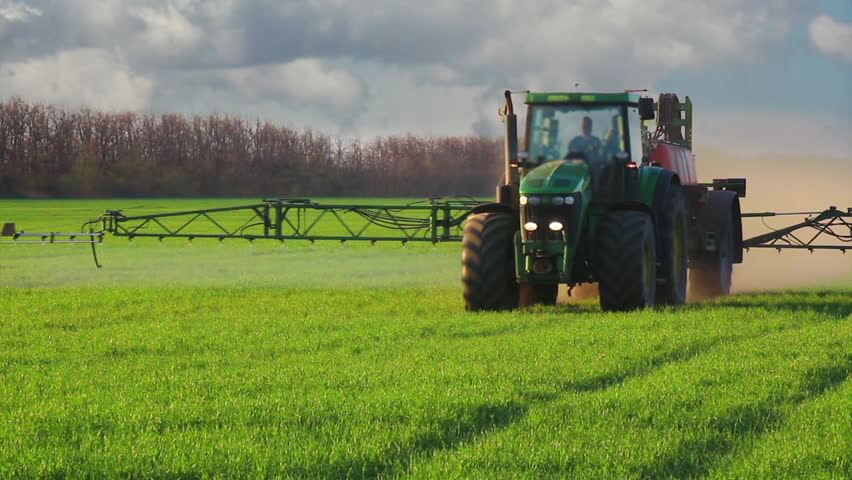
A new paper published in the journal GM Crops and Food points to significant increases in carbon emissions and a worse environmental impact associated with weed control practices if farmers around the world stopped planting glyphosate-tolerant crops. Decreased production of important agricultural commodities, higher prices and lower farm incomes would also be expected.   

The peer-reviewed paper by [the author of this article] Graham Brookes of UK-based PG Economics Ltd and Farzad Taheripour and Wally Tyner of Purdue University examined the impacts that would arise if restrictions on glyphosate use resulted in the world no longer planting genetically modified herbicide-tolerant (GM HT) crops. It examined this from two perspectives; the “first round” farm level and aggregate impacts based on “removal” of the benefits associated with the widespread use of GM HT crops (tolerant to glyphosate) and the global economy-wide consequences, based on input of the farm level data impacts, into the Computable General Equilibrium (CGE) model GTAP-BIO (economic model which has been frequently used to examine the economic and environmental impacts of energy-agriculture-environment-trade subjects) that analyzes land use, land use emissions and economic impacts.

Context of GM HT crop use

In 2015, the global cultivation of GM HT crops was 147.9 million hectares (365.47 million acres), a 200-fold increase from the 1996 level of 0.7 million hectares. The number of countries adopting biotech HT crop cultivation has also increased from three in 1996 to thirteen in 2015, with the United States leading the way in the use of this technology in crop production and accounting for 43% of total plantings in 2015. These crops are mostly found in soybeans, maize/corn, cotton and rapeseed/canola and accounted for 41% of the global plantings to these four crops in 2015.

Glyphosate is widely used in agriculture for weed control in many countries across a range of crops/uses and is a key part of the production system that uses GM HT crop technology. The GM HT technology allows for the ‘over the top’ spraying of these crops with the herbicide glyphosate.
glyphosate 12 14 17 1Potential ‘first-round’ impacts of no longer using GM HT crops tolerant to glyphosate

The ‘first-round’ impacts would result from the loss of the benefits associated with the adoption of GM herbicide tolerant (to glyphosate) crops. Specifically:

  • An annual loss of global farm income of $6.76 billion
  • Lower levels of global soybean, corn and rapeseed/canola production equal to 18.6 million tons, 3.1 million tons and 1.44 million tons respectively
  • An annual environmental loss associated with a net increase in the use of herbicides of 8.2 million kg of herbicide active ingredient (+1.7%), and a larger net negative environmental impact, as measured by the environmental impact quotient (EIQ) indicator of 12.4%
  • Additional carbon emissions arising from increased fuel usage and decreased soil carbon sequestration, equal to the equivalent of adding 11.77 million cars to the roads

Wider global welfare ‘second-round’ impacts arising from land use changes

Global production of soybeans and rapeseed/canola would fall by 3.7% and 0.7% respectively, partially offset by increases in production of other oilseeds (notably palm oil). These changes are different from the “first round” farm level impacts because the impact of no longer growing GM HT crops affects relative crop prices and this affects production of both crops in which GM HT technology is used and those where conventional production methods are used.

World prices of all grains, oilseeds and sugar are expected to rise, especially soybeans (+5.4%) and rapeseed/canola (+2%). The loss of GM HT technology reduces global welfare by $7,408 million per year. The big losers are: China (-$2.1 billion), US (-$1.9 billion), and the EU (-$0.9 billion). The losses in China and the EU reflect their high import dependence and the worse terms of trade arising from higher world prices. The US welfare losses largely reflect production efficiency losses associated with no longer using GM HT technology.  

Land use changes will arise, with an additional cropping area of 762,000 hectares, including 167,000 hectares of deforestation. These land use changes are likely to induce the generation of an additional 234,000 million kg of carbon dioxide emissions, equivalent to the land use emissions from the production of 29.5 billion litres of corn ethanol in the US.

Graham Brookes is an agricultural economist with UK-based PG Economics Ltd.

Read the full study: The contribution of glyphosate to agriculture and potential impact of restrictions on use at the global level