United Nations FAO: 14 percent of food wasted before it reaches consumers

waste e

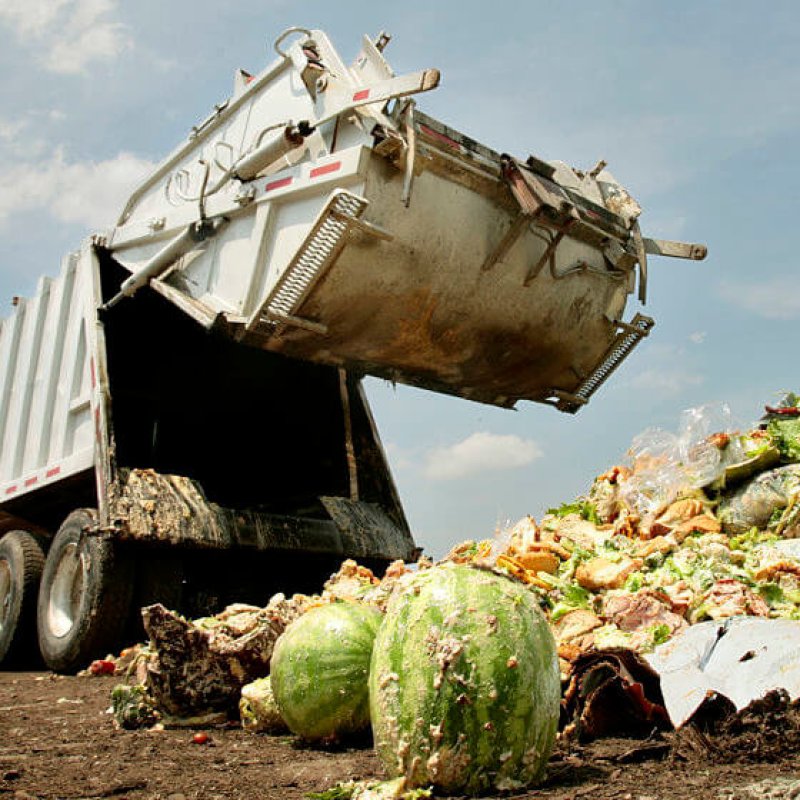
Around 14 percent of global food goes to waste after harvesting and before reaching the retail level, including through on-farm activities, storage, and transportation. This is according to the report on the State of Food and Agriculture released by the Food and Agriculture Organization of the United Nations (FAO).

FAO monitored how much, where, and why food is lost at different stages on the food supply chain. The findings will help identify critical loss points across the supply chains, which have a great impact on food security. Results showed that harvesting is the most frequently identified critical loss point for all types of food.

It was also reported that losses and waste are generally higher for fruits and vegetables than cereals and pulses at all stages in the supply chain, except for on-farm losses and those during transportation in Eastern and South-Eastern Asia. For lower-income countries, the cause of great losses in fruits and vegetable supply chain is poor infrastructure, particularly storage facilities. For high-income countries, losses occur when there is technical breakdown, poor management of temperature in storage facilities, humidity or overstocking.

FAO called for consumers and producers’ understanding of the problem and taking action on how to effectively reduce food losses globally.

Read full, original article: Crop Biotech Update October 16, 2019

{{ reviewsTotal }}{{ options.labels.singularReviewCountLabel }}
{{ reviewsTotal }}{{ options.labels.pluralReviewCountLabel }}
{{ options.labels.newReviewButton }}
{{ userData.canReview.message }}

Related Articles

Infographic: Global regulatory and health research agencies on whether glyphosate causes cancer

Infographic: Global regulatory and health research agencies on whether glyphosate causes cancer

Does glyphosate—the world's most heavily-used herbicide—pose serious harm to humans? Is it carcinogenic? Those issues are of both legal and ...

Most Popular

Picture1
The FDA couldn’t find a vaccine safety crisis, so it buried its own research
Screenshot-2026-04-22-at-12.21.32-PM
Viewpoint: Why the retracted Monsanto glyphosate study doesn’t change the science—the world’s most popular herbicide is safe 
ChatGPT-Image-May-7-2026-12_32_36-PM
Viewpoint: The state of U.S. vaccine policy? Dismal nationally, but some states are stepping up.
placebo
Viewpoint — Alternative medicine and the placebo effect: Selling a reassuring illusion of health
Screenshot-2026-04-22-at-10.46.29-AM
Viewpoint: How to counter science disinformation? Science journalist offers 12 practical tips
Screenshot-2026-04-13-at-1.39.26-PM
Viewpoint: ‘Safer for children?’ Stonyfield yogurt under fire for deceptive organic marketing
_20250221_nib_rfk_trump
Viewpoint: 'Crisis of public trust': Autism support community shocked RFK continues to peddle false claims about the danger of vaccines
ChatGPT-Image-May-18-2026-01_45_05-PM-2
Newest hantavirus conspiracy: Online disinformation turns outbreak into latest ivermectin grift
the magic of mRNA
Viewpoint: Anti-vax fake ‘turbo cancer’ claims threaten cancer treatment breakthroughs
ChatGPT-Image-May-7-2026-12_16_37-PM-2
Viewpoint: Are cancer rates ‘skyrocketing’ as RFK, Jr. and MAHA claim? The evidence says mostly the opposite
artificial intelligence brain think illustration md
Viewpoint — Digital gods and human extinction: Will we be the first species ever to design our own descendants?
glp menu logo outlined

Get news on human & agricultural genetics and biotechnology delivered to your inbox.