‘Almost no limit’: Synthetic biology has turned the stuff of science fiction into the stuff of science

xlf uvoyy ssgclh
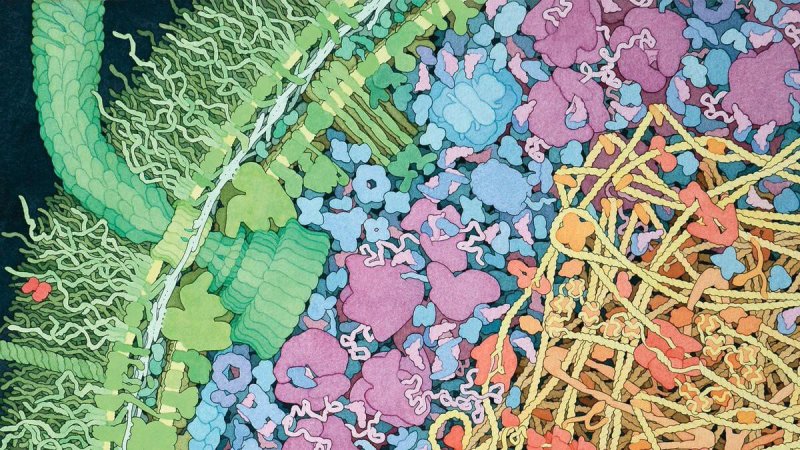
Image: David Goodsell

Synthetic biology, or the application of engineering principles to the design of life, presents world-changing prospects. Could components of a living cell function as tiny switches or circuits? How would that allow biomedical engineers to build biological “smart devices”—from sensors deployed inside the body to portable medical kits able to produce vaccines and antibiotics on demand? Could bacterial “factories” replace the fossil-fueled industries that produce plastics, foods, and fertilizers? Will the secrets of living creatures that enter suspended animation during periods of drought and extreme cold be harnessed to keep human victims of trauma alive? And is the genetic information preserved in long-frozen or fossilized extinct species, like woolly mammoths, sufficiently recoverable to help save living species?

These ideas, once the stuff of science fiction, are now the stuff of science. Some aren’t yet functioning realities, but others have launched business applications, whether in medicine (such as hospital gowns that signal exposure to infection) or in land remediation (where bacterial “factories” powered by the sun capture nitrogen from the atmosphere to help plants grow).

“I think there’s almost no limit to synthetic biology,” [geneticist George] Church says.

Read full, original post: Engineering Life

{{ reviewsTotal }}{{ options.labels.singularReviewCountLabel }}
{{ reviewsTotal }}{{ options.labels.pluralReviewCountLabel }}
{{ options.labels.newReviewButton }}
{{ userData.canReview.message }}

Related Articles

Infographic: Global regulatory and health research agencies on whether glyphosate causes cancer

Infographic: Global regulatory and health research agencies on whether glyphosate causes cancer

Does glyphosate—the world's most heavily-used herbicide—pose serious harm to humans? Is it carcinogenic? Those issues are of both legal and ...

Most Popular

ChatGPT-Image-Mar-10-2026-01_39_01-PM
Viewpoint—“Miracle molecule” debunked: Why acemannan supplements don’t work
ChatGPT-Image-Jun-25-2026-12_23_17-PM
No, Bill Gates did not secretly engineer ticks to promote veganism
Screenshot-2026-06-05-at-2.12.30-PM
Some plants can poison you. So how did humans figure out what is safe to eat?
ChatGPT-Image-May-18-2026-12_06_18-PM-2
Defying death: The immortality movement goes mainstream
ChatGPT-Image-Jun-23-2026-03_12_23-PM
Is cellular reprogramming junk science? Nearly 20 patients are getting eye injections in the first FDA-cleared cellular trial
ChatGPT-Image-Jun-17-2026-10_52_43-AM
Anguished parents, doctors in tears: Utah’s long measles outbreak takes a toll

Sorry. No data so far.

glp menu logo outlined

Get news on human & agricultural genetics and biotechnology delivered to your inbox.