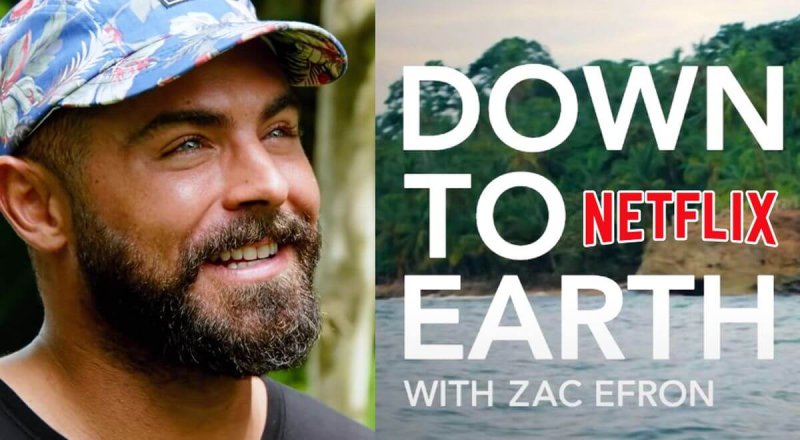
Viewpoint: Pseudo-science alert—Zac Efron’s ‘Down to Earth’ Netflix series spreads anti-GMOs myths

tcjmn d nfhyncoewiz oqd m

Zac Efron doesn’t say much except “Dude” and “Wow” in his Netflix docu-series Down to Earth. It’s a mostly innocuous show. If you’re the type of person who’s into the actor’s buff, scruffy bro-dude schtick and you like glossy travel content with a sustainability ethos, Down to Earth is the perfect hangover binge, for example.

But in pursuit of global wellness, Efron and his cohost Darin Olien, a wellness expert and self-described “superfood hunter,” push some pretty flimsy pseudoscience.

Follow the latest news and policy debates on sustainable agriculture, biomedicine, and other ‘disruptive’ innovations. Subscribe to our newsletter.

In the episode set in Puerto Rico, a farmer tells Efron and Olien to drink goat’s milk directly from the teat because it comes out pasteurized. That’s not true; it comes out naturally homogenized, which means it doesn’t separate into a cream layer like cow’s milk and doesn’t need to be mixed. But consuming any unpasteurized dairy can expose you to dangerous pathogens like E. coli and Salmonella. Basically, it’s a really bad idea ….

Similarly, a beekeeper in New York tells Efron that genetically engineered crops are a “systemic poison” to the helpful bugs. (Not true. Some GM crops have actually reduced the need for harmful insecticides.) When they land in France, Olien tells Efron that putting his bare feet on the ground will reset his circadian rhythm. (There’s no evidence for that; the proven way to combat jetlag is through light exposure and eating at local meal times.)

Read the original post

{{ reviewsTotal }}{{ options.labels.singularReviewCountLabel }}
{{ reviewsTotal }}{{ options.labels.pluralReviewCountLabel }}
{{ options.labels.newReviewButton }}
{{ userData.canReview.message }}

Related Articles

Infographic: Global regulatory and health research agencies on whether glyphosate causes cancer

Infographic: Global regulatory and health research agencies on whether glyphosate causes cancer

Does glyphosate—the world's most heavily-used herbicide—pose serious harm to humans? Is it carcinogenic? Those issues are of both legal and ...

Most Popular

ChatGPT-Image-May-7-2026-12_32_36-PM
Viewpoint: The state of U.S. vaccine policy? Dismal nationally, but some states are stepping up.
Screenshot-2026-04-13-at-1.39.26-PM
Viewpoint: ‘Safer for children?’ Stonyfield yogurt under fire for deceptive organic marketing
Screenshot-2026-04-22-at-10.46.29-AM
Viewpoint: How to counter science disinformation? Science journalist offers 12 practical tips
ChatGPT-Image-May-7-2026-12_16_37-PM-2
Viewpoint: Are cancer rates ‘skyrocketing’ as RFK, Jr. and MAHA claim? The evidence says mostly the opposite
ChatGPT-Image-May-7-2026-01_23_27-PM-2
Viewpoint: Will AI democratize personalized cancer treatment or fuel medical misinformation?
Defense_Secretary_Ash_Carter_tours_the_Microsoft_Cybercrime_Center_in_Seattle_March_3_2016
How criminals are using AI to target social media users and steal their money and confidential data
the magic of mRNA
Viewpoint: Anti-vax fake ‘turbo cancer’ claims threaten cancer treatment breakthroughs
ChatGPT-Image-May-12-2026-08_39_41-PM
GLP podcast: Big Pharma, Big Ag, Big Food—health harming industries or life-saving innovators?
artificial intelligence brain think illustration md
Viewpoint — Digital gods and human extinction: Will we be the first species ever to design our own descendants?
Screenshot-2026-04-23-at-11.00.36-AM
Regulators' dilemma: Thalidomide, Metformin, and the cost of getting drug approvals wrong
RFKjr-Tech-Vax-Misinfo
As U.S. officials spread medical misinformation, scientists fact check online
Picture1-1
Cooling the planet with balloons: Could a geoengineering gamble slow global warming?
glp menu logo outlined

Get news on human & agricultural genetics and biotechnology delivered to your inbox.