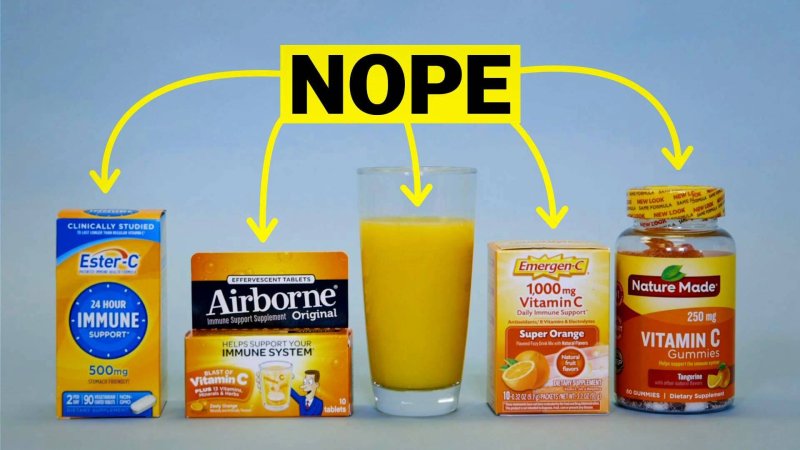
Taking Vitamin C or zinc to fight a cold or COVID? New study shows they have no effect

Credit: Vox
Credit: Vox

Over the years, scientific studies have not conclusively shown that [zinc or vitamin C] can help overcome illnesses such as the common cold. Since the pandemic began, however, both supplements have seen an increased market owing to people’s belief that they can give the immune system a boost. The New York Times reported zinc sales of $134 million, and USA Today found that vitamin C sales reached $209 million during the first half of 2020, up 76% compared with 2019.

To see how zinc and ascorbic acid could affect COVID-19, the researchers randomly assigned 10 days of zinc gluconate (50 milligrams per day), ascorbic acid (8,000 milligrams per day), both, or standard of care to 58, 58, 48, and 50 people, respectively. Outpatients knew which treatment they were receiving.

The study ended early because it met the futility criteria, as assessed by Cleveland Clinic’s operational and safety monitoring board. “These interventions did not significantly shorten the duration of symptoms associated with the virus compared with usual care,” the researchers conclude.

Follow the latest news and policy debates on sustainable agriculture, biomedicine, and other ‘disruptive’ innovations. Subscribe to our newsletter.

The researchers also looked at hospitalization rate, mortality, and adverse effects from receiving one of the treatments or standard of care. No arm of the experiment had significantly different outcomes, but the researchers note that those who received ascorbic acid reported slightly more nausea, diarrhea, and stomach cramps.


Read the original post

{{ reviewsTotal }}{{ options.labels.singularReviewCountLabel }}
{{ reviewsTotal }}{{ options.labels.pluralReviewCountLabel }}
{{ options.labels.newReviewButton }}
{{ userData.canReview.message }}

Related Articles

Infographic: Global regulatory and health research agencies on whether glyphosate causes cancer

Infographic: Global regulatory and health research agencies on whether glyphosate causes cancer

Does glyphosate—the world's most heavily-used herbicide—pose serious harm to humans? Is it carcinogenic? Those issues are of both legal and ...

Most Popular

ChatGPT-Image-May-7-2026-12_32_36-PM
Viewpoint: The state of U.S. vaccine policy? Dismal nationally, but some states are stepping up.
Screenshot-2026-04-22-at-10.46.29-AM
Viewpoint: How to counter science disinformation? Science journalist offers 12 practical tips
Screenshot-2026-04-13-at-1.39.26-PM
Viewpoint: ‘Safer for children?’ Stonyfield yogurt under fire for deceptive organic marketing
the magic of mRNA
Viewpoint: Anti-vax fake ‘turbo cancer’ claims threaten cancer treatment breakthroughs
ChatGPT-Image-May-7-2026-12_16_37-PM-2
Viewpoint: Are cancer rates ‘skyrocketing’ as RFK, Jr. and MAHA claim? The evidence says mostly the opposite
ChatGPT-Image-May-7-2026-01_23_27-PM-2
Viewpoint: Will AI democratize personalized cancer treatment or fuel medical misinformation?
artificial intelligence brain think illustration md
Viewpoint — Digital gods and human extinction: Will we be the first species ever to design our own descendants?
Defense_Secretary_Ash_Carter_tours_the_Microsoft_Cybercrime_Center_in_Seattle_March_3_2016
How criminals are using AI to target social media users and steal their money and confidential data
Picture1-1
Cooling the planet with balloons: Could a geoengineering gamble slow global warming?
ChatGPT-Image-May-12-2026-08_39_41-PM
GLP podcast: Big Pharma, Big Ag, Big Food—health harming industries or life-saving innovators?
RFKjr-Tech-Vax-Misinfo
As U.S. officials spread medical misinformation, scientists fact check online
ChatGPT Image May 12, 2026, 01_21_30 PM
How big health brands are funding online medical misinformation 
glp menu logo outlined

Get news on human & agricultural genetics and biotechnology delivered to your inbox.