Circuit Judge Michelle Friedland asserted that the EPA’s finding “was not supported by substantial evidence.” Is that so?
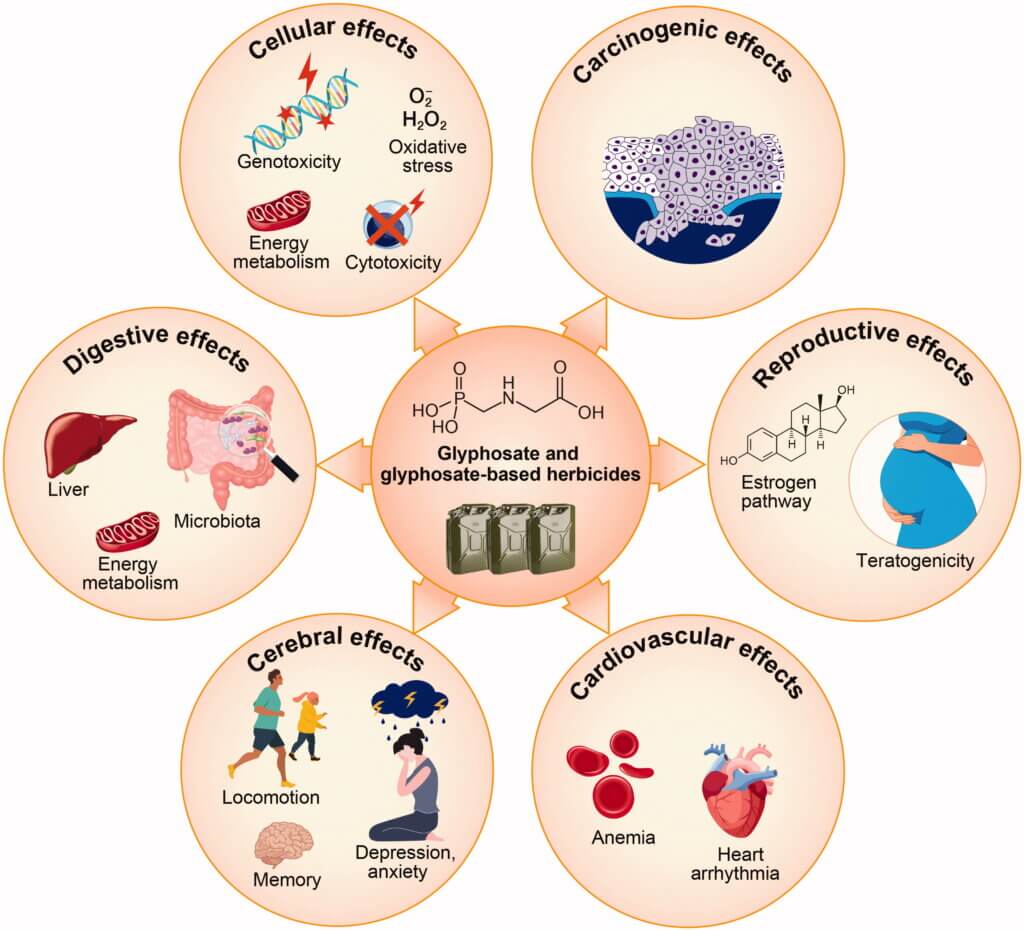
To date, the EPA, along with hundreds of scientific studies, including systematic reviews and meta-analyses published in peer-reviewed journals, have found no link between levels of exposure to glyphosate found in real-life settings (e.g., farming, landscaping, home garden maintenance, human consumption of food that had been sprayed with the herbicide) and non-Hodgkin’s lymphoma.
The issue has been thoroughly studied, reviewed, and analyzed by scientific experts over the span of many decades. We recently funded an independent critical review of eight meta-analyses, which was conducted by SciPinion and published in the Journal of Toxicology and Risk Assessment. The panel of senior scientists found low confidence that any of the studies demonstrated a causal relationship between glyphosate exposure and non-Hodgkin’s lymphoma.

In the case of glyphosate, human epidemiological studies have not been (and cannot be) designed to show absolute proof of no causal relationship. However, the studies do provide strong evidence that the herbicide provides more benefit than harm. While not conclusive to the extent attorneys and judges like to see in other areas of the law, a preponderance of the evidence clearly says that glyphosate does not likely cause cancer.
What would it have taken for the judges involved in this decision to determine there is substantial evidence to support the likely safety of glyphosate? More importantly, would they know it if they saw it?
In epidemiology, there are often conflicting findings. Many judges do not have the expertise and scientific training needed to distinguish good epidemiological studies and reasonable conclusions from low-quality studies with overreaching determinations.



A qualified senior scientist, without a priori ideas on what a study “should” find, would be able to look at a published report—along with links to supplementary materials included by the editors—and ask the right kinds of questions to determine the quality of the study:
- How were study subjects identified?
- Were all confounders accounted for?
- How was exposure measured?
- How large was the sample?
- How were health effects determined (laboratory test or professional medical diagnoses)?
- Were appropriate statistical methods used to analyze the data, and were the analyses performed correctly?
- What was the central study question, and were optimal approaches used to answer that question?
- Are the study authors drawing any possible determinations about cause appropriately?
- How does each study presented to support/refute a legal case fit into the larger literature?
- Has the study been replicated? What were the results?
- Have systematic reviews or meta-analyses of all the literature in this area been completed and published? Who made the determination of what studies to include or exclude?
Additionally, as the studies are applied to the case at hand:
- If results from experimental animal studies are presented by expert witnesses, are judges and juries able to know if the correct translation from animal to human dosage was made?
- Have judges and juries been given an unbiased explanation of differences between human and animal physiology regarding metabolism and other physical issues?
Judges and lawyers are experts in the law and the process for the setting of policy by government. The use of good science to support policy is without question. But science can be misused, and we have to make sure scientific quality is determined only by those who are qualified to do so.
Peggy Murray is the Research Director of the Center for Truth in Science, a non-profit organization focused on fact-based science within issues at the intersection of science, economics, and litigation. Peggy earned a doctorate and master’s degree from Catholic University. Follow Peggy on LinkedIn
A version of this article was posted at Truth in Science and is used here with permission. Check out Truth in Science on Twitter @truthsciencectr