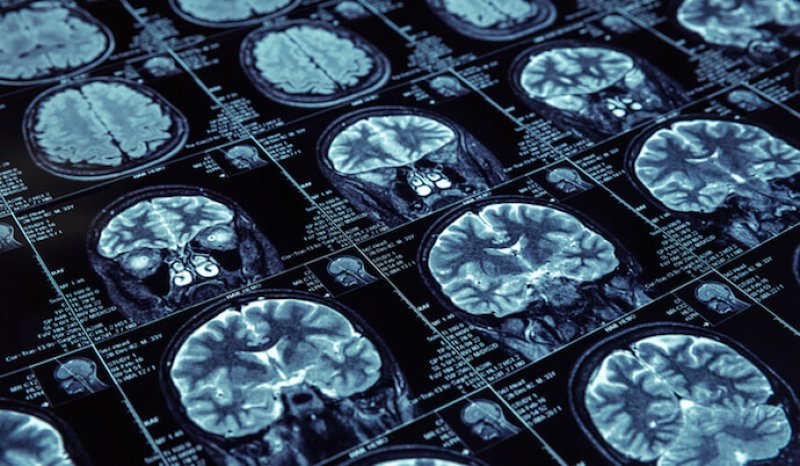
Traditional exams and grades that educators have long used may measure learning less accurately than brain scans, according to a new study published in Science Improvements. The paper, written by a team of researchers from seven universities and led by neuroscientists from Georgetown, could not only revolutionize the way educators design curricula, but also reveal a hidden connection in the human mind.
“For a long time, psychologists and philosophers have debated whether spatial thinking. is actually hiding beneath a thought that appears to be verbal,” says Adam Inexperienced, lead author of the study and provost associate professor emeritus at the Georgetown Faculty of Arts and Sciences in the Department of Psychology. “If this is true, then teaching students to improve their spatial thinking skills should strengthen their verbal reasoning ability.”
The team’s findings support mental model theory, or MMT, which posits that when humans understand spoken or written language, the mind “spatializes” that information, relying on brain systems that originally evolved to help our primate ancestors navigate complex environments with agility.

When researchers tested verbal reasoning, on words in sentences rather than objects on maps, they found marked improvements in students who took the course emphasizing spatial thinking. In addition, the better the students were at spatial thinking, the more their verbal reasoning improved.