‘Magic bullet or genetic atom bomb?’: Exploring unintended consequences of using gene drives to eradicate disease-spreading mosquitoes

‘Magic bullet or genetic atom bomb?’: Exploring potential unintended consequences of using gene drives to eradicate disease-spreading mosquitoes
Credit: Pixabay/ imsogabriel

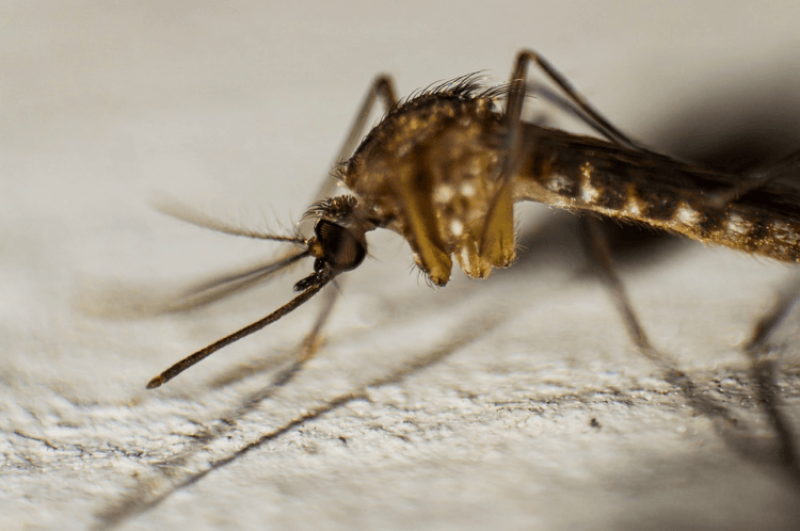
Every year more than 600,000 people die from mosquito-transmitted malaria, most of them children under age five. Some insects that are disease vectors, such as mosquitoes, are currently expanding their range around the world, bringing new threats. Genetic engineering can fix this by permanently altering insect genes through what is known as a gene drive.

This technology allows a chosen set of genes to alter an animal’s biology in some way, such as making them produce sterile offspring. The inability to reproduce then sweeps through a population, upending the laws of inheritance.

Follow the latest news and policy debates on sustainable agriculture, biomedicine, and other ‘disruptive’ innovations. Subscribe to our newsletter.

The genes copy themselves exponentially from generation to generation, rapidly coming to dominate the whole population. Potentially, their careful use might save millions of lives by making mosquitoes unable to transmit malaria or by eliminating the insects entirely. The possibility of a definitive solution to major infectious diseases makes a compelling case for a such a techno fix.

Still, you do not need to be a Luddite or a technothriller writer to imagine how this could all go horribly wrong. Ecology is complicated, and delicate ecosystem balances could be profoundly disrupted. Poorly designed gene drives might even jump to closely related animals that, for example, do not carry disease, creating a disastrous cascade.


This is an excerpt. Read the full article here

{{ reviewsTotal }}{{ options.labels.singularReviewCountLabel }}
{{ reviewsTotal }}{{ options.labels.pluralReviewCountLabel }}
{{ options.labels.newReviewButton }}
{{ userData.canReview.message }}

Related Articles

Infographic: Global regulatory and health research agencies on whether glyphosate causes cancer

Infographic: Global regulatory and health research agencies on whether glyphosate causes cancer

Does glyphosate—the world's most heavily-used herbicide—pose serious harm to humans? Is it carcinogenic? Those issues are of both legal and ...

Most Popular

ChatGPT-Image-May-7-2026-12_32_36-PM
Viewpoint: The state of U.S. vaccine policy? Dismal nationally, but some states are stepping up.
Screenshot-2026-04-13-at-1.39.26-PM
Viewpoint: ‘Safer for children?’ Stonyfield yogurt under fire for deceptive organic marketing
Screenshot-2026-04-22-at-10.46.29-AM
Viewpoint: How to counter science disinformation? Science journalist offers 12 practical tips
the magic of mRNA
Viewpoint: Anti-vax fake ‘turbo cancer’ claims threaten cancer treatment breakthroughs
ChatGPT-Image-May-7-2026-12_16_37-PM-2
Viewpoint: Are cancer rates ‘skyrocketing’ as RFK, Jr. and MAHA claim? The evidence says mostly the opposite
ChatGPT-Image-May-7-2026-01_23_27-PM-2
Viewpoint: Will AI democratize personalized cancer treatment or fuel medical misinformation?
artificial intelligence brain think illustration md
Viewpoint — Digital gods and human extinction: Will we be the first species ever to design our own descendants?
Defense_Secretary_Ash_Carter_tours_the_Microsoft_Cybercrime_Center_in_Seattle_March_3_2016
How criminals are using AI to target social media users and steal their money and confidential data
Picture1-1
Cooling the planet with balloons: Could a geoengineering gamble slow global warming?
Screenshot-2026-04-23-at-11.00.36-AM
Regulators' dilemma: Thalidomide, Metformin, and the cost of getting drug approvals wrong
ChatGPT Image May 12, 2026, 01_21_30 PM
How big health brands are funding online medical misinformation 
glp menu logo outlined

Get news on human & agricultural genetics and biotechnology delivered to your inbox.