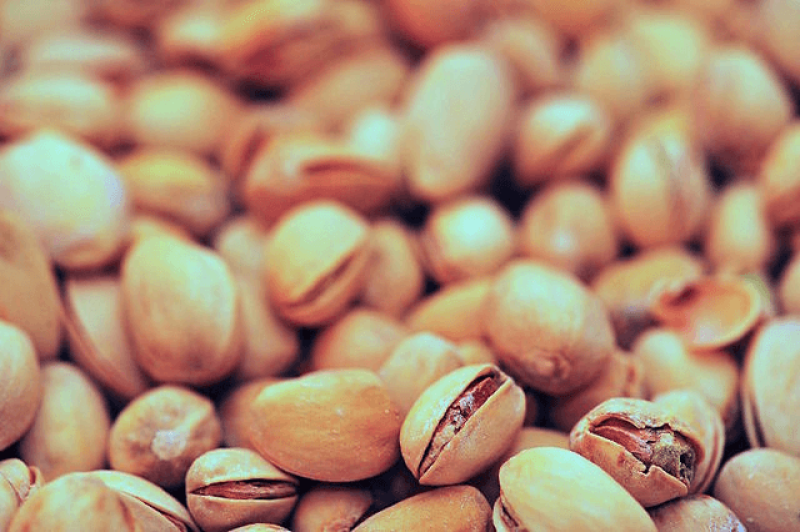
Untapped renewable energy: Roasting cast-off pistachio shells

Credit: Madmaxmarchhare via CC-BY-SA-3.0

Pistachios, a popular snack worldwide, generate a substantial amount of waste in the form of hard shells. Typically, these shells are discarded or used as mulch, but scientists have discovered a more valuable use for them. Through a process known as pyrolysis, these shells can be transformed into a biofuel that can potentially replace traditional fossil fuels.

Pyrolysis is a chemical process that involves heating organic materials in the absence of oxygen. This process breaks down the complex organic molecules into simpler ones, producing a mixture of gases, liquids, and solids. The liquid produced, known as bio-oil, can be further refined and used as a fuel source. In the case of pistachio shells, the high lignin content makes them an ideal candidate for pyrolysis, resulting in a high yield of bio-oil.

Follow the latest news and policy debates on sustainable agriculture, biomedicine, and other ‘disruptive’ innovations. Subscribe to our newsletter.

The potential benefits of this technological breakthrough are immense. Firstly, it provides a sustainable and renewable source of energy, reducing our reliance on fossil fuels, which are not only finite but also contribute significantly to global warming. Secondly, it offers a solution to the problem of agricultural waste disposal. Instead of discarding the pistachio shells or using them as mulch, they can be collected and converted into biofuel, adding value to what was once considered waste.


This is an excerpt. Read the original post here

{{ reviewsTotal }}{{ options.labels.singularReviewCountLabel }}
{{ reviewsTotal }}{{ options.labels.pluralReviewCountLabel }}
{{ options.labels.newReviewButton }}
{{ userData.canReview.message }}

Related Articles

Infographic: Global regulatory and health research agencies on whether glyphosate causes cancer

Infographic: Global regulatory and health research agencies on whether glyphosate causes cancer

Does glyphosate—the world's most heavily-used herbicide—pose serious harm to humans? Is it carcinogenic? Those issues are of both legal and ...

Most Popular

ChatGPT-Image-May-7-2026-12_32_36-PM
Viewpoint: The state of U.S. vaccine policy? Dismal nationally, but some states are stepping up.
Screenshot-2026-04-13-at-1.39.26-PM
Viewpoint: ‘Safer for children?’ Stonyfield yogurt under fire for deceptive organic marketing
Screenshot-2026-04-22-at-10.46.29-AM
Viewpoint: How to counter science disinformation? Science journalist offers 12 practical tips
the magic of mRNA
Viewpoint: Anti-vax fake ‘turbo cancer’ claims threaten cancer treatment breakthroughs
ChatGPT-Image-May-7-2026-12_16_37-PM-2
Viewpoint: Are cancer rates ‘skyrocketing’ as RFK, Jr. and MAHA claim? The evidence says mostly the opposite
artificial intelligence brain think illustration md
Viewpoint — Digital gods and human extinction: Will we be the first species ever to design our own descendants?
ChatGPT-Image-May-7-2026-01_23_27-PM-2
Viewpoint: Will AI democratize personalized cancer treatment or fuel medical misinformation?
Defense_Secretary_Ash_Carter_tours_the_Microsoft_Cybercrime_Center_in_Seattle_March_3_2016
How criminals are using AI to target social media users and steal their money and confidential data
Picture1-1
Cooling the planet with balloons: Could a geoengineering gamble slow global warming?
ChatGPT Image May 12, 2026, 01_21_30 PM
How big health brands are funding online medical misinformation 
Screenshot-2026-04-23-at-11.00.36-AM
Regulators' dilemma: Thalidomide, Metformin, and the cost of getting drug approvals wrong
RFKjr-Tech-Vax-Misinfo
As U.S. officials spread medical misinformation, scientists fact check online
glp menu logo outlined

Get news on human & agricultural genetics and biotechnology delivered to your inbox.