Viewpoint: In debate over ‘dangerous’ chemicals — from aspartame to glyphosate — advocates cash in peddling pseudoscience

c c be b
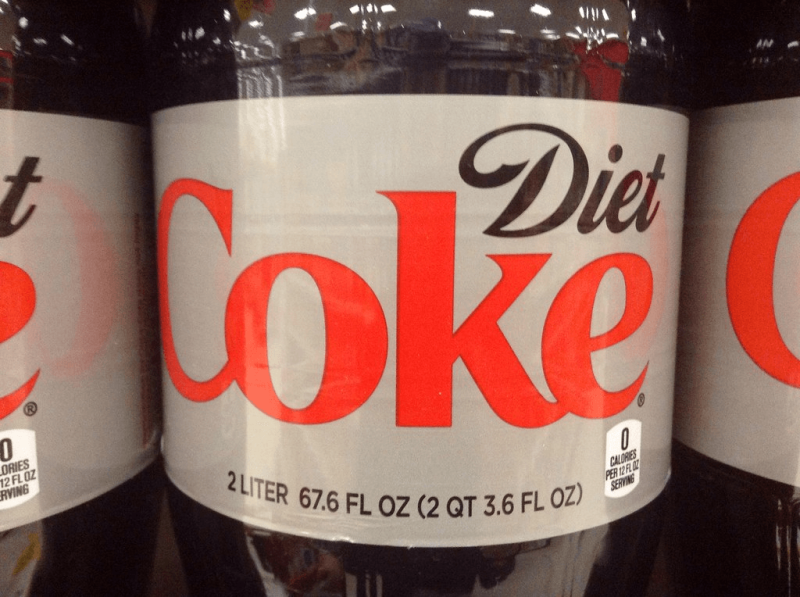
Credit: Mike Mozart/Flickr (CC BY 2.0)

What if you were told, on good authority, that drinking a glass of diet Cola is a serious cancer hazard? The International Agency for Research on Cancer (IARC), an arm of the World Health organization, has, in effect, done just that. It announced that Aspartame, the artificial sweetener widely used in diet drinks, including Diet Coke and Pepsi Max is a cancer hazard– a class-2B carcinogen.

What the news doesn’t tell you, of course, is that class-2B carcinogens are ten a penny. Aloe vera extract, coffee, and caffeic acid found in tea and coffee have all been classified as such at various points by the IARC.

Follow the latest news and policy debates on sustainable agriculture, biomedicine, and other ‘disruptive’ innovations. Subscribe to our newsletter.

The IARC hit headlines in 2015 when it classified the herbicide glyphosate sprayed on thousands of hectares of farm land the world over, as a class-2A cancer hazard. Glyphosate formulations are probably the most widely used herbicide in the world.  The global reaction to this was beyond belief. A crescendo of fear-mongering and multiple litigations hit herbicide manufacturers.

In 2018 a California jury awarded 249 million US dollars in damages to a school groundskeeper diagnosed with non-Hodgkin’s lymphoma, allegedly caused by his use of a glyphosate formulation.
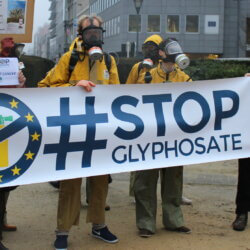
The key to turning routine chemical classifications into hot-button scandals is to play on public fears with pseudoscience. Opportunist politics is a popular way to get something banned.

This is an excerpt. Read the original post here

{{ reviewsTotal }}{{ options.labels.singularReviewCountLabel }}
{{ reviewsTotal }}{{ options.labels.pluralReviewCountLabel }}
{{ options.labels.newReviewButton }}
{{ userData.canReview.message }}

Related Articles

Infographic: Global regulatory and health research agencies on whether glyphosate causes cancer

Infographic: Global regulatory and health research agencies on whether glyphosate causes cancer

Does glyphosate—the world's most heavily-used herbicide—pose serious harm to humans? Is it carcinogenic? Those issues are of both legal and ...

Most Popular

ChatGPT-Image-May-7-2026-12_16_37-PM-2
Viewpoint: Are cancer rates ‘skyrocketing’ as RFK, Jr. and MAHA claims? The evidence says mostly the opposite
Screenshot-2026-04-13-at-1.39.26-PM
Viewpoint: ‘Safer for children?’ Stonyfield yogurt under fire for deceptive organic marketing
Screenshot-2026-04-22-at-10.46.29-AM
Viewpoint: How to counter science disinformation? Science journalist offers 12 practical tips

Sorry. No data so far.

glp menu logo outlined

Get news on human & agricultural genetics and biotechnology delivered to your inbox.