Viewpoint: ‘Fear of captive agricultural markets beholden to global corporations is a non-issue if African nations develop their own GM crops’

Africa is the most malnourished continent and imports over 60% of its foods. Credit: Kate Holt and AusAID via CC-BY-2.0

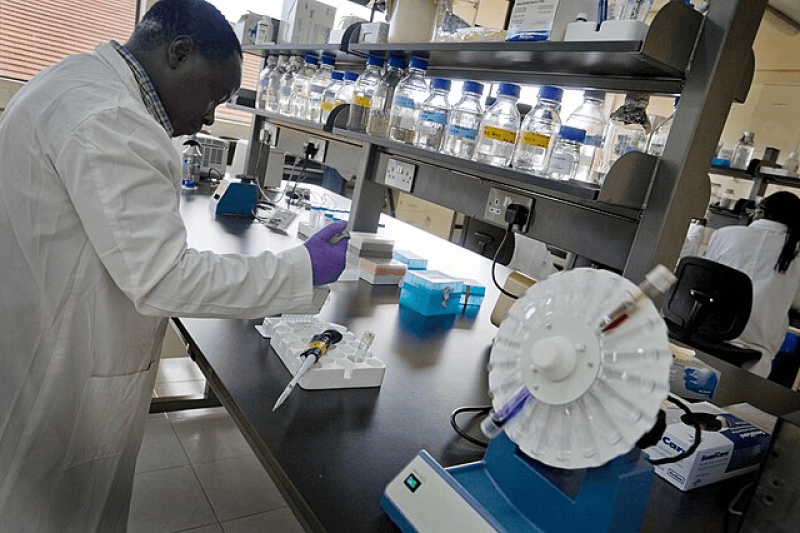
As certain African nations have legalised genetically modified organisms (GMOs), primarily for food and crops, others like Rwanda have introduced bills to explore the benefits of modern agricultural biotechnology. The New Times’ Emmanuel Ntirenganya interviewed Vitumbiko Chinoko, the manager of the Open Forum on Agricultural Biotechnology in Africa (OFAB) Project to discuss the current state of GMO adoption on the continent, its potential, and the concerns surrounding it.

Follow the latest news and policy debates on sustainable agriculture, biomedicine, and other ‘disruptive’ innovations. Subscribe to our newsletter.
[New Times:] There are worries that biotech or GMO seeds or crops would result in Africa being dependent on mega-companies that developed them (and own their patents), and it would be costly for farmers to adopt them because of the implicated prices. What do you say about this?

[Chinoko:] The long-term or strategic response is this; the reason why those technologies are expensive in terms of seeds and everything else is because somebody else developed them and they have to gain from it. And this is why we are encouraging African governments to be able to develop their own technologies.

So, my strategic response to that is to let our governments enable researchers to come up with these technologies in-country because when we do that, we substantively reduce the cost element.


This is an excerpt. Read the original post here

{{ reviewsTotal }}{{ options.labels.singularReviewCountLabel }}
{{ reviewsTotal }}{{ options.labels.pluralReviewCountLabel }}
{{ options.labels.newReviewButton }}
{{ userData.canReview.message }}

Related Articles

Infographic: Global regulatory and health research agencies on whether glyphosate causes cancer

Infographic: Global regulatory and health research agencies on whether glyphosate causes cancer

Does glyphosate—the world's most heavily-used herbicide—pose serious harm to humans? Is it carcinogenic? Those issues are of both legal and ...

Most Popular

ChatGPT-Image-May-7-2026-12_16_37-PM-2
Viewpoint: Are cancer rates ‘skyrocketing’ as RFK, Jr. and MAHA claims? The evidence says mostly the opposite
Screenshot-2026-04-22-at-10.46.29-AM
Viewpoint: How to counter science disinformation? Science journalist offers 12 practical tips
Screenshot-2026-04-13-at-1.39.26-PM
Viewpoint: ‘Safer for children?’ Stonyfield yogurt under fire for deceptive organic marketing

Sorry. No data so far.

glp menu logo outlined

Get news on human & agricultural genetics and biotechnology delivered to your inbox.