Genetic diversity squeeze: Camembert is on the verge of extinction. Here’s what can be done to rescue ‘endangered cheeses’

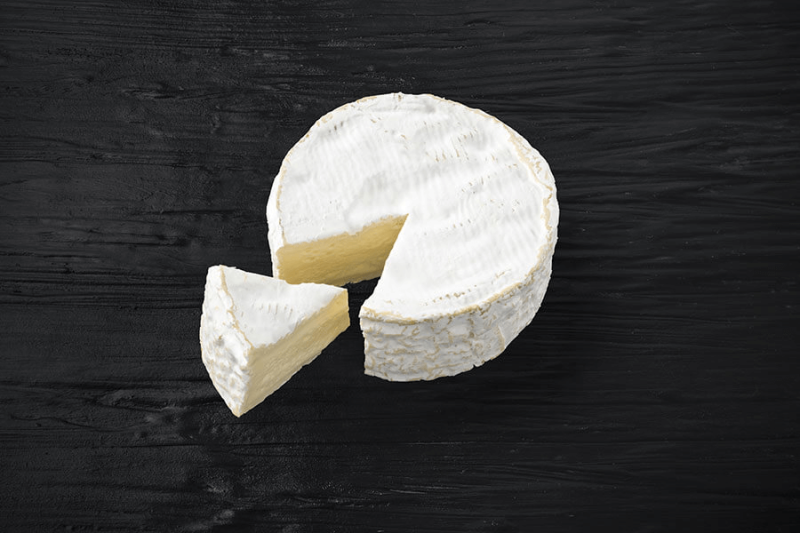
camembert de normandie
Credit: Fromage AOP

Each hunk of Camembert or smear of brie is an ecosystem, an assortment of fungi and bacteria that turn milk fats and proteins into hundreds of different compounds. Those compounds produce the flavors, smells, and textures we love.

In recent decades, however, the genetic diversity of some of those microbes has caved. And today, some of the most famous French cheeses rely on just a single fragile strain of fungi that is at risk of dying out.

Follow the latest news and policy debates on sustainable agriculture, biomedicine, and other ‘disruptive’ innovations. Subscribe to our newsletter.

For reasons that are not totally clear, the [fungus strain Penicillium camemberti used in camembert and brie] can’t reproduce sexually, like most molds can — meaning, it can’t “breed” with another individual to create new genetic diversity. So to create more of this fungi, cheesemakers have to clone it, not unlike how you propagate a plant using a cutting. Yet decades of replicating the same individual can introduce harmful errors into its genome, [Centre national de la recherche scientifique (CNRS) evolutionary biologist Jeanne] Ropars said.

There is a way to save these cheeses, though it requires some changes in our own taste and tolerance.

To make Camembert or brie, cheese producers could simply inoculate cow’s milk with other Penicillium biforme molds, which are naturally present in raw milk (these microbes would need to be manually added if the milk is pasteurized). As a group, Penicillium biforme has a lot of genetic diversity and these molds are able to produce sexually, Ropars said, which is key to maintaining genetic diversity.


This is an excerpt. Read the original post here

{{ reviewsTotal }}{{ options.labels.singularReviewCountLabel }}
{{ reviewsTotal }}{{ options.labels.pluralReviewCountLabel }}
{{ options.labels.newReviewButton }}
{{ userData.canReview.message }}

Related Articles

Infographic: Global regulatory and health research agencies on whether glyphosate causes cancer

Infographic: Global regulatory and health research agencies on whether glyphosate causes cancer

Does glyphosate—the world's most heavily-used herbicide—pose serious harm to humans? Is it carcinogenic? Those issues are of both legal and ...

Most Popular

Picture1
The FDA couldn’t find a vaccine safety crisis, so it buried its own research
Screenshot-2026-04-22-at-12.21.32-PM
Viewpoint: Why the retracted Monsanto glyphosate study doesn’t change the science—the world’s most popular herbicide is safe 
ChatGPT-Image-May-7-2026-12_32_36-PM
Viewpoint: The state of U.S. vaccine policy? Dismal nationally, but some states are stepping up.
Screenshot-2026-05-19-at-11.23.34-AM
West-originated vaccine disinformation sparks murders of health care workers across Africa
_20250221_nib_rfk_trump
Viewpoint: 'Crisis of public trust': Autism support community shocked RFK continues to peddle false claims about the danger of vaccines
placebo
Viewpoint — Alternative medicine and the placebo effect: Selling a reassuring illusion of health
ChatGPT-Image-May-18-2026-01_45_05-PM-2
Newest hantavirus conspiracy: Online disinformation turns outbreak into latest ivermectin grift
ChatGPT-Image-May-18-2026-12_06_18-PM-2
Defying death: The immortality movement goes mainstream
Screenshot-2026-04-13-at-1.39.26-PM
Viewpoint: ‘Safer for children?’ Stonyfield yogurt under fire for deceptive organic marketing
Defense_Secretary_Ash_Carter_tours_the_Microsoft_Cybercrime_Center_in_Seattle_March_3_2016
How criminals are using AI to target social media users and steal their money and confidential data
glp menu logo outlined

Get news on human & agricultural genetics and biotechnology delivered to your inbox.