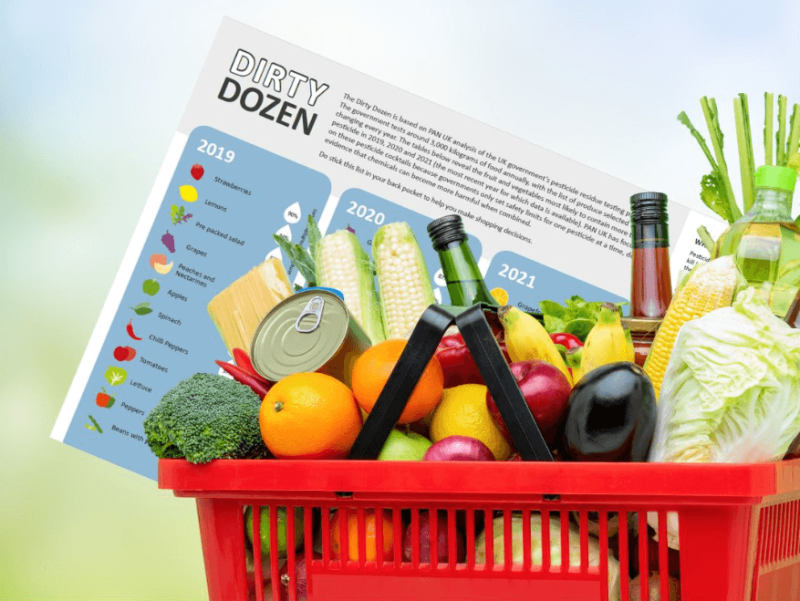
Viewpoint: Food Network experts blast organic-funded ‘Dirty Dozen’ list for misleading consumers about trace pesticides on crops

screenshot pm
Credit: Pesticide Action Network

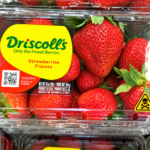
Every year the Environmental Working Group (EWG) releases its list of the Dirty Dozen, a group of 12 fruits and vegetables it claims to be contaminated with pesticides. It recommends that if you would like to eat produce off the Dirty Dozen list, you should choose organic. This year a few produce items have shifted rankings, but the 12 items under fire remain the same as that of 2023, with strawberries at the top of the list and blueberries and green beans rounding out spots 11 and 12.

Although this consumer advocacy group believes it’s helping consumers make better choices, the reality is it isn’t. With 90 percent of Americans not meeting their recommended amounts of vegetables and 85 percent of Americans not meeting fruit recommendations, the benefits of eating produce, whether it’s conventional, organic, ugly or local are plentiful.
Follow the latest news and policy debates on sustainable agriculture, biomedicine, and other ‘disruptive’ innovations. Subscribe to our newsletter.

A peer-reviewed study published in 2016 found that the “shoppers’ guides” may be negatively impacting the produce purchasing habits of lower-income shoppers. Researchers surveyed lower-income consumers to learn more about what influences their shopping habits. They found that misleading messaging, which inaccurately describes certain fruits and vegetables as having “higher” pesticide residues, results in lower-income shoppers reporting that they would be less likely to purchase any fruits and vegetables – organic or conventional. So people are missing out on the many health benefits that produce provides because of inaccurate claims.


{{ reviewsTotal }}{{ options.labels.singularReviewCountLabel }}
{{ reviewsTotal }}{{ options.labels.pluralReviewCountLabel }}
{{ options.labels.newReviewButton }}
{{ userData.canReview.message }}

Related Articles

Infographic: Global regulatory and health research agencies on whether glyphosate causes cancer

Infographic: Global regulatory and health research agencies on whether glyphosate causes cancer

Does glyphosate—the world's most heavily-used herbicide—pose serious harm to humans? Is it carcinogenic? Those issues are of both legal and ...

Most Popular

ChatGPT-Image-May-7-2026-12_32_36-PM
Viewpoint: The state of U.S. vaccine policy? Dismal nationally, but some states are stepping up.
Screenshot-2026-04-22-at-10.46.29-AM
Viewpoint: How to counter science disinformation? Science journalist offers 12 practical tips
Screenshot-2026-04-13-at-1.39.26-PM
Viewpoint: ‘Safer for children?’ Stonyfield yogurt under fire for deceptive organic marketing
the magic of mRNA
Viewpoint: Anti-vax fake ‘turbo cancer’ claims threaten cancer treatment breakthroughs
ChatGPT-Image-May-7-2026-12_16_37-PM-2
Viewpoint: Are cancer rates ‘skyrocketing’ as RFK, Jr. and MAHA claim? The evidence says mostly the opposite
Screenshot-2026-04-22-at-12.21.32-PM
Viewpoint: Why the retracted Monsanto glyphosate study doesn’t change the science—the world’s most popular herbicide is safe 
Picture1
The FDA couldn’t find a vaccine safety crisis, so it buried its own research
artificial intelligence brain think illustration md
Viewpoint — Digital gods and human extinction: Will we be the first species ever to design our own descendants?
Defense_Secretary_Ash_Carter_tours_the_Microsoft_Cybercrime_Center_in_Seattle_March_3_2016
How criminals are using AI to target social media users and steal their money and confidential data
Picture1-1
Cooling the planet with balloons: Could a geoengineering gamble slow global warming?
ChatGPT-Image-May-7-2026-01_23_27-PM-2
Viewpoint: Will AI democratize personalized cancer treatment or fuel medical misinformation?
glp menu logo outlined

Get news on human & agricultural genetics and biotechnology delivered to your inbox.