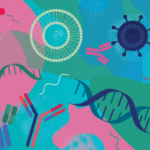
Let’s begin with a scenario where, after two manned space flights to Mars, Elon Musk concludes that for humans to survive long-term on the Red Planet, we need to develop a more durable human. Using AI to guide researchers in modifying human DNA, Musk’s quest sparks a wave of other research projects integrating AI and genetic modification. This bold venture opens the door to unparalleled opportunities and daunting challenges. The potential to rewrite the very code of life, harnessed by the precision and power of AI, promises to transform human existence in ways we can scarcely imagine. What could possibly go wrong?
On the one hand, AI-driven genetic modifications offer the tantalizing prospect of eradicating hereditary diseases, extending human lifespan, and enhancing physical and cognitive abilities. Imagine a world where debilitating conditions like cystic fibrosis, Alzheimer’s, and heart disease are relics of the past, where individuals enjoy not just longer lives but healthier, more vibrant ones. Envision children born free of genetic defects, their potential unlocked by precise genomic edits. These advancements could herald a new age of personalized medicine, where treatments are tailored to an individual’s unique genetic makeup, ensuring maximum efficacy with minimal side effects.
However, this brave new world is not without its shadows. The ethical and social ramifications of gene editing are profound and complex. The prospect of “designer babies,” where parents select traits such as intelligence, physical prowess, or even aesthetic qualities, raises questions about equity, consent, and the very nature of humanity. Moreover, the potential for unintended consequences looms large; off-target effects or unforeseen genetic interactions could introduce new health risks.