The UK is backing emerging innovation to protect the future of our food supply, with 69% of UK adults strongly supporting gene editing to create a sustainable and resilient future for British farming.
The recent survey, conducted by British Sugar, found that Gen Zs are leading the call for gene editing to be used, with a staggering 80% supporting the technology.
All age groups viewed sustainability as the leading motivator, with 44% citing green credentials as a key reason for backing gene editing. By improving crop efficiency, reducing water and fertiliser use, gene editing not only promotes sustainable farming practices but also cuts emissions.
Affordability is another key motivator, with 50% emphasising the crippling costs of food in recent years as a key factor. Gene editing reduces crop disease, which in turn helps increase and guarantee supply of our food, giving the potential for more stable pricing for consumers and supporting long term farming and food accessibility.
With more parts of the farming industry turning to gene editing as a future solution, British Sugar is leading the sugar industry’s first agricultural research and development programme of its kind, aiming to ensure food security and preserve sugar beet farming across the UK.
Mis- and disinformation are distorting science and public policy. Subscribe to our Daily and Weekly Digests for incisive coverage of ‘disruptive’ innovations in AI, agricultural biotechnology, food, chemicals, nuclear energy, vaccines, and other disruptive innovations.
In partnership with the world-leading plant science institute, the John Innes Centre (JIC) and Tropic Biosciences, the multi-million-pound research project has been bolstered by government funding of £660,000, to further its research into how gene editing can be used to benefit the British sugar beet crop.
Gene editing technology has the potential for positive impacts around the globe, moving the food industry closer to a more sustainable future and offering a safe solution to protect our homegrown farmers for generations to come.
Dan Green, Agriculture Director at British Sugar said:“The critical importance of access to food that is nutritious, affordable and available is an issue that affects us all. We are encouraged to see that consumers are embracing the potential of technology and innovation, and their role in farming and food for the future.
“Farming has always had to evolve to meet changing climates, ecosystems and public expectations, and gene editing is the next evolution for the future. It will help British farmers tackle the impact of climate change by creating stronger, disease-resistant crops, reducing the use of pesticides, improving yields and ensuring greater security for farmers and consumers alike.
“This is the critical next step for the UK as a world leader in agricultural research development, technology and innovation and follows a long heritage of breakthroughs that have helped protect our crops, keep food prices fair, and secure British farming for the future.”
Professor Steven Penfield, Building Robustness in Crops (BRiC) Programme Leader, John Innes Centre said: “The resilience of the UK’s food supply depends on our farmers and growers being able to sustainably and reliably grow their crops. Gene editing unlocks agricultural innovation, accelerating the development of new crop varieties with higher yields and enhanced pest and disease resistance, also enabling farmers to reduce the environmental impact of their agricultural practices.”
Despite these advantages, there are still misconceptions that are creating a division between ethical (38%) and health-related (34%) issues. Unlike genetic modification, no new genes from other species are incorporated into the plant during the gene editing process. It is a safe, scientifically backed innovation, supported by agriculture leaders. It strengthens crops, making them more resistant to disease, ensuring a more resilient food chain in the years ahead.
The next time someone asks you: Will that be paper or plastic? think twice before you torch the planet by choosing the paper option.
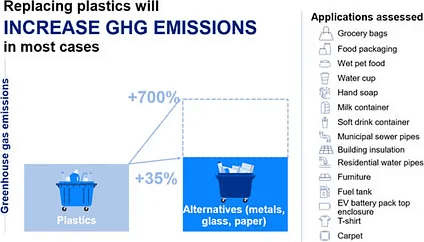
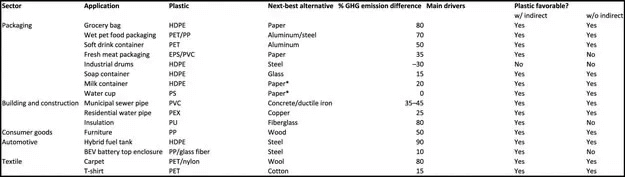
A study published in the journal Environmental Science & Technology shows than in 15 out of 16 applications, plastics have proven to have lower greenhouse gas emissions than their alternatives (paper, steel, copper, glass, aluminum …). The differences range from 10% to 90% lower emissions.
The study, headed by Dr. Fanran Meng from Sheffield University’s Department of Chemical and Biological Engineering, with researchers from the University of Cambridge and the KTH Royal Institute of Technology, performed life cycle assessments (LCAs) on the most widely used plastic products (comprising 90% of global production volume) in comparison to their non-plastic alternatives. The LCAs looked at greenhouse gas emissions from the production, transport, use and post-use phases.
For those not fully immersed in the environmentalist dogma, these findings make perfect sense. Plastic products, historically, have always been introduced as sustainable solutions to address negative environmental consequences of human consumption. Plastic bags were introduced to stop the increased deforestation from excessive paper use. Many soft plastics reduced the environmental waste from the overuse of animal products. The energy costs of producing, transporting and recycling glass were prohibitive to say the least. And in a recent Firebreak article, the introduction of plastic bank notes in place of paper is increasingly being adopted by central banks due to their more favorable sustainability advantages.
Plastic is lighter, uses less energy to produce, is often stronger and lasts longer. Even in the field of waste management, across different processes, plastic fared much better (especially in regions with waste to energy systems). In many cases, like food packaging, there is simply no viable alternative, and removing plastics without providing alternatives merely accelerates food waste. One has to wonder what the French government officials were thinking of when they introduced legislation to ban plastic packaging from the fresh food sector.
The LCA approach is basic common sense: products should be evaluated throughout their entire life cycle. But this common sense seems to be lacking in today’s politically-charged environmental debates (which focuses the evaluation merely on a substance’s natural vs synthetic origins). It is amusing that phys.org had to explain this common research tool in simple, almost juvenile terms:
To understand the environmental impacts, the Sheffield academics used a tool called life cycle assessment (LCA). This method helps compare how different products affect the environment.
The study, however, did not include reusable bioplastics and compostable and biodegradable alternatives because of the small emerging markets and a lack of reliable data about reuse. One can only imagine how much more favorably these bioplastics would fare in an LCA against non-plastic alternatives.
Mis- and disinformation are distorting science and public policy. Subscribe to our Daily and Weekly Digests for incisive coverage of ‘disruptive’ innovations in AI, agricultural biotechnology, food, chemicals, nuclear energy, vaccines, and other disruptive innovations.
The war on plastic was never about protecting the environment. Environmental activists attack plastic because it represents industrial production, chemicals and fossil fuels. It is a reflection of what they believe is excessive Western consumption and this offends them. Plastic is an affront to the zealots’ post-capitalist, naturopathic ideology so they would rather lie than acknowledge the consistent environmental advantages of plastics over any alternatives.
Rather than enter into an ecological hornet’s nest where they would have to consider the facts on the sustainable advantages of plastics, activists prefer to play the emotion card, focusing on the relatively few cases of poor consumer or municipal post-use management. The images they use are extreme, alarmist and, in many cases, falsified. For example, they won’t tell you that 78% of microplastics in the environment come from car tire dust or that between 75 and 86% of the plastic waste in the great ocean garbage patch come from abandoned fishing nets.
As solutions to plastic waste are being more widely implemented in developing countries, where the problems were more evident, and with better stewardship along the manufacturing value chain, these activists deflect and simply demand a plastic-free world … and with it, all of the environmental destruction from their alternatives.
This is not surprising. Almost all activist campaigns are not about saving the environment at all, but rather to push their anti-capitalist political agenda.
The 60 year-long attack on nuclear power has resulted, to this day, in more coal-fired plants polluting the environment.
The campaigns promoting organic farming over conventional agricultural techniques will lead to more deforestation and diminished food security.
The relentless attacks on GMOs is resulting in increased loss of lives and peasant livelihoods, lower yields and more pesticide use.
But these well-fed cosmopolitan elites are more concerned about propagating their political ideology than having a sustainable ecology. They never cared about the environment but saw such campaigns as a better way to oppose capitalism (given that any attempt to challenge capitalism on its economic and developmental success stories would be doomed to certain failure). Such is the case with their war on plastics: although it is a more sustainable product on almost all of the 16 use cases, the activists would rather see the planet burn.
What horrible little creatures.
These campaigns were never about the environment but rather were an activist ruse to advance their anti-industry, post-capitalist political agenda. Unfortunately the media bought into this anti-plastics campaign and have served very well as the activist’s useful idiots.
A good part of the media has an anti-industry, environmentalist bias. Such a counterintuitive article would run too hard against their narrative. Imagine an editor of a large news company seeing this study’s title on the wire. It wouldn’t even get a second glance. They blast us with images of rivers with plastic sludge or a straw up a turtle’s nose and soon after, decision-makers are pressed into banning plastic without any ecologically viable alternatives.
More ominously, news organizations like the Guardian, are mostly financed by foundations, and in particular, programs funded to run articles on the campaigns against plastics, fossil fuels and other excesses of industry. If the Guardian dared report factually on how plastics are better for the environment, they would risk losing millions in foundation funding for programs like Seascape: The State of our Oceans or Big Oil Uncovered. So these media mercenaries don’t.
The truth does not matter in today’s media, especially given how largely entrenched they have become in the activist / foundation campaign objectives. The public buys into the lies since they hear no other perspectives, trying to go plastic-free and suffering from poorer-quality and more expensive consumer products that are ultimately worse for the environment.
Today, we no longer are given the choice between paper and plastic. Mission accomplished.
David Zaruk is the Firebreak editor, and also writes under the pen-name The Risk Monger. David is a retired professor, environmental-health risk analyst, science communicator, promoter of evidence-based policy and philosophical theorist on activists and the media. Find David on X @Zaruk
A version of this article was originally posted at The Firebreak and has been reposted here with permission. Any reposting should credit the original author and provide links to both the GLP and the original article. Find Firebreak on Twitter @the_firebreak
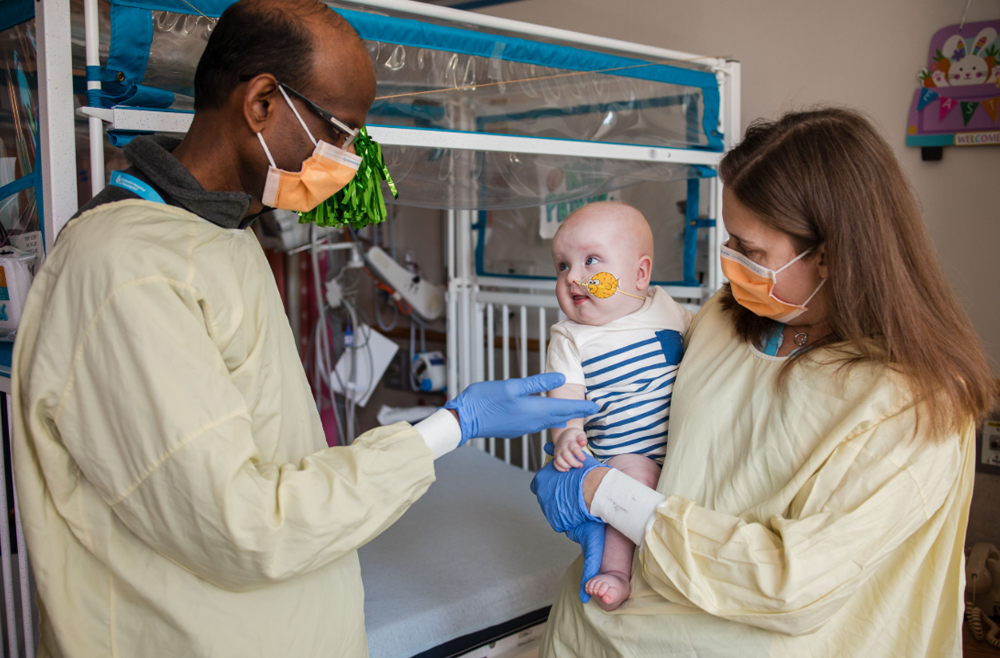
In a historic medical breakthrough, a child diagnosed with a rare genetic disorder has been successfully treated with a customized CRISPR gene editing therapy by a team at Children’s Hospital of Philadelphia (CHOP)and Penn Medicine.
CHOP’s Rebecca Ahrens-Nicklas, MD, PhD, and Penn Medicine’s Kiran Musunuru, MD, PhD. Credit: CHOP
The infant, KJ, was born with a rare metabolic disease known as severe carbamoyl phosphate synthetase 1 (CPS1) deficiency. After spending the first several months of his life in the hospital, on a very restrictive diet, KJ received the first dose of his bespoke therapy in February 2025 between six and seven months of age. The treatment was administered safely, and he is now growing well and thriving.
The case is detailed [May 15, 2025] in a study published by The New England Journal of Medicine and was presented at the American Society of Gene & Cell Therapy Annual Meeting in New Orleans. This landmark finding could provide a pathway for gene editing technology to be successfully adapted to treat individuals with rare diseases for whom no medical treatments are available.
“Years and years of progress in gene editing and collaboration between researchers and clinicians made this moment possible, and while KJ is just one patient, we hope he is the first of many to benefit from a methodology that can be scaled to fit an individual patient’s needs,” said Rebecca Ahrens-Nicklas, MD, PhD, director of the Gene Therapy for Inherited Metabolic Disorders Frontier Program (GTIMD) at Children’s Hospital of Philadelphia and an assistant professor of Pediatrics in the Perelman School of Medicine at the University of Pennsylvania.
CRISPR (clustered regularly interspaced short palindromic repeats)-based gene editing can precisely correct disease-causing variants in the human genome. Gene editing tools are incredibly complex and nuanced, and up to this point, researchers have built them to target more common diseases that affect tens or hundreds of thousands of patients, such as the two diseases for which there currently are U.S. Food and Drug Administration-approved therapies, sickle cell disease and beta thalassemia. However, relatively few diseases benefit from a “one-size-fits-all” gene editing approach since so many disease-causing variants exist. Even as the field advances, many patients with rare genetic diseases – collectively impacting millions of patients worldwide – have been left behind.
A Collaborative Effort
Ahrens-Nicklas and Kiran Musunuru, MD, PhD, the Barry J. Gertz Professor for Translational Research in Penn’s Perelman School of Medicine, who are co-corresponding authors on the published report, began collaborating to study the feasibility of creating customized gene editing therapies for individual patients in 2023, building upon many years of research into rare metabolic disorders, as well as the feasibility of gene editing to treat patients. Both are members of the NIH funded Somatic Cell Genome Editing Consortium, which supports collaborative genome editing research.
Ahrens-Nicklas and Musunuru decided to focus on urea cycle disorders. During the normal breakdown of proteins in the body, ammonia is naturally produced. Typically, our bodies know to convert the ammonia to urea and then excrete that urea through urination. However, a child with a urea cycle disorder lacks an enzyme in the liver needed to convert ammonia to urea. Ammonia then builds up to a toxic level, which can cause organ damage, particularly in the brain and the liver.
After years of preclinical research with similar disease-causing variants, Ahrens-Nicklas and Musunuru targeted KJ’s specific variant of CPS1, identified soon after his birth. Within six months, their team designed and manufactured a base editing therapy delivered via lipid nanoparticles to the liver in order to correct KJ’s faulty enzyme. In late February 2025, KJ received his first infusion of this experimental therapy, and since then, he has received follow-up doses in March and April 2025. In the newly published New England Journal of Medicine paper, the researchers, along with their academic and industry collaborators, describe the customized CRISPR gene editing therapy that was rigorously yet speedily developed for administration to KJ.
As of April 2025, KJ had received three doses of the therapy with no serious side effects. In the short time since treatment, he has tolerated increased dietary protein and needed less nitrogen scavenger medication. He also has been able to recover from certain typical childhood illnesses like rhinovirus without ammonia building up in his body. Longer follow-up is needed to fully evaluate the benefits of the therapy.
Nicole, Ky, and Kyle Muldoon. Credit: CHOP
“While KJ will need to be monitored carefully for the rest of his life, our initial findings are quite promising,” Ahrens-Nicklas said.
“We want each and every patient to have the potential to experience the same results we saw in this first patient, and we hope that other academic investigators will replicate this method for many rare diseases and give many patients a fair shot at living a healthy life,” Musunuru said. “The promise of gene therapy that we’ve heard about for decades is coming to fruition, and it’s going to utterly transform the way we approach medicine.”
A Future for KJ
Typically, patients with CPS1 deficiency, like KJ, are treated with a liver transplant. However, for patients to receive a liver transplant, they need to be medically stable and old enough to handle such a major procedure. During that time, episodes of increased ammonia can put patients at risk for ongoing, lifelong neurologic damage or even prove fatal. Because of these threats to lifelong health, the researchers knew that finding new ways to treat patients who are too young and small to receive liver transplants would be lifechanging for families whose children faced this disorder.
“We would do anything for our kids, so with KJ, we wanted to figure out how we were going to support him and how we were going to get him to the point where he can do all the things a normal kid should be able to do,” his mother, Nicole Muldoon, said. “We thought it was our responsibility to help our child, so when the doctors came to us with their idea, we put our trust in them in the hopes that it could help not just KJ but other families in our position.”
“We’ve been in the thick of this since KJ was born, and our whole world’s been revolving around this little guy and his stay in the hospital,” his father, Kyle Muldoon, said. “We’re so excited to be able to finally be together at home so that KJ can be with his siblings, and we can finally take a deep breath.”
[D]espite [Noor] Siddiqui’s efforts to cast herself as a modern-day Jonas Salk, [Orchid Health genetic screening services are] not a service available to “everyone’s” babies—since the testing alone costs thousands of dollars in addition to the price of IVF and is thus out of reach for most Americans.
Reproduction as quality control has a long and dark history, but the enthusiasm around new repro-tech companies suggests younger generations have never learned it. Younger Americans have spent their lives saturated in technologically mediated worlds that promise seemingly limitless on-demand options.
Mis- and disinformation are distorting science and public policy. Subscribe to our Daily and Weekly Digests for incisive coverage of ‘disruptive’ innovations in AI, agricultural biotechnology, food, chemicals, nuclear energy, vaccines, and other disruptive innovations.
[T]he deception promulgated by the new eugenicists is that they care only for the health and safety of all children, when in fact they are trying to design “better children” for those who can afford them. And they deem irresponsible those who cannot—and those who react appropriately and viscerally with nauseated horror to a new world that is the very opposite of brave.
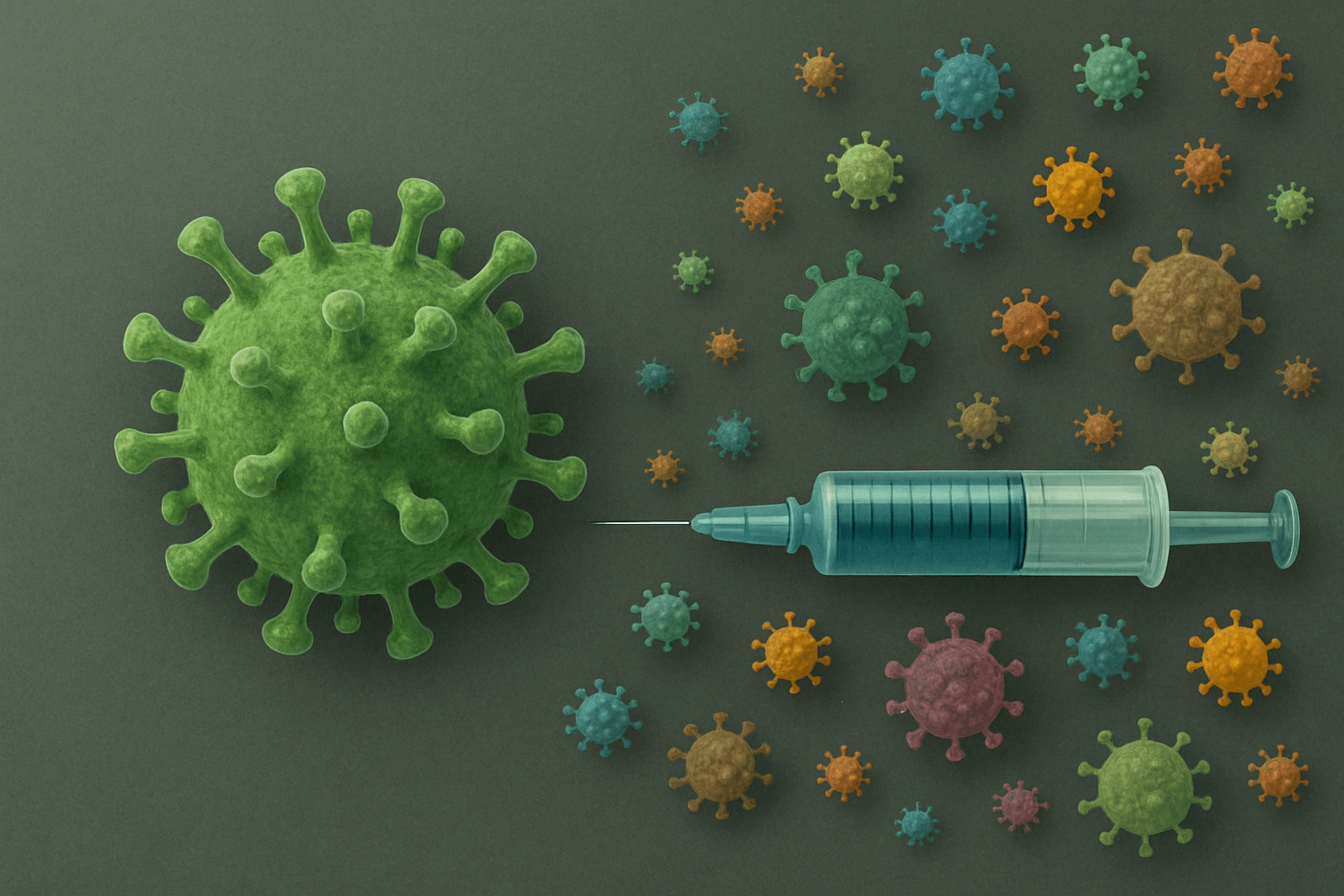
Dubbed Generation Gold Standard, the project is aimed at creating a flu shot that doesn’t have to be updated every year to match the latest strains of the virus. The project also aims to produce a vaccine that could protect people against other respiratory viruses that could cause a pandemic, such as bird flu and coronaviruses.
Mis- and disinformation are distorting science and public policy. Subscribe to our Daily and Weekly Digests for incisive coverage of ‘disruptive’ innovations in AI, agricultural biotechnology, food, chemicals, nuclear energy, vaccines, and other disruptive innovations.
[T]he project plans to use an approach that would involve injecting people with a whole flu virus that has been killed with a chemical to render it harmless but is still capable of stimulating the immune system. Most vaccine experts consider the whole killed virus approach to be antiquated.
…
“We’re going back to technology that was used 40, 50 years ago or more. … It’s a very old technology,” says [Dr. Gregory Poland, a vaccine expert who leads the Atria Academy of Science and Medicine in New York.] “This is what influenza vaccines in the 40s, 50s and 60s looked like.”
Science itself is not partisan. It is based on data, evidence, testing and peer review. It does not take sides.
However, to gain public trust, some lawmakers or protesters or lobbying organizations will invoke “science” to lend credibility to policies or opinions when said science is selectively chosen or misrepresented.
To advance agendas, some lawmakers or protesters or lobbying organizations will cherry-pick their science, presenting only the findings that support a political goal or favorable result for the few, not the many.
Mis- and disinformation are distorting science and public policy. Subscribe to our Daily and Weekly Digests for incisive coverage of ‘disruptive’ innovations in AI, agricultural biotechnology, food, chemicals, nuclear energy, vaccines, and other disruptive innovations.
People’s views on science-related issues can align with their political identity, especially when science challenges economic interests or cultural beliefs. What research gets funded often depends on the political leanings of those holding the purse strings.
I challenge you to consider science based on evidence, not political ideology. View research through an unbiased, fact-driven lens.
[dropcapW[/dropcap]hen genetically modified (GM) crops were initially commercialized in the mid to late 1990s, many critics of the new technology predicted the benefits would be minimal and short-lived. These critics argued the financial benefits to farmers would be offset by higher seed costs, resulting in farmers returning to previous technologies that were more profitable at the time. Arguments were also made that GM crops would ‘pollute’ landscapes, resulting in significant environmental damage, a rise in herbicide tolerant weeds, and an increase in chemical applications to control such weeds.
Such arguments were put forth by environmental non-governmental organizations (ENGOs) and over time, have proven to be fallacies, not grounded in empirical evidence. Previous research based on 2006 herbicide use, found the adoption of GM canola contributed to reduced herbicide use. In a recent survey of Saskatchewan farmers, we found evidence quantifying that the longer GM crops are included in crop rotations, less herbicide is applied to fields to control weeds during crop production.
Benefits of GM crop production after 10 years (2006)
A decade after GM canola was first produced across the Canadian prairies, I led a research project that surveyed farmers about their herbicide practices. From our results we were able to compare herbicide practices regarding the production of conventional canola. This was some of the first research to quantify reductions in summerfallow and tillage practices due to improved weed control efficiency. Farmers reported benefits that included reduced soil erosion (86%) and increased moisture conservation (83%) following reduced tillage.
For those non-farming readers, what you might not be aware of, is before the commercialization of GM canola, conventional canola needed to be grown on ‘clean’ fields. This meant that there were limited in-crop herbicides capable of providing efficient weed control, so farmers tended to plant canola on fields that had minimal weed populations, such as following a year of summerfallow. The farm survey found that the adoption of glyphosate and glufosinate tolerant GM canola varieties allowed farmers to plant canola on fields that had substantial weed infestations and gain significantly improved weed control. The improved weed control resulted in less herbicide being applied overall and the herbicides that were applied, had a reduced impact on the environment.
Assessing chemicals’ environmental impact
Environmental impact (EI) assessments include three components: impacts on farmers and farm workers, impacts on consumers, and impacts on the environment or ecology. Impacts on farmers and farm workers assesses their exposure to herbicides. Consumer impacts are measured through the change in herbicide residues on harvested crops and the reduction in herbicide presence in groundwater systems. The environmental impact measures the impact the herbicide has on the ecology once it is applied.
From the collected data, we were able to indicate the most widely used herbicides based on acres and crop kind. Table 1 accounts for the top five herbicides applied to canola production, in which these five herbicides accounted for all canola acres in 1995 and 70% of total canola acres in 2006, and the cumulative EI dropped by 53%. Farmers, farm workers and the environment benefited slightly more than this, while consumer benefits represented the lowest level of benefit.
Table 1: Environmental impact (EI) differences of the top five canola herbicides, 1995 and 2006
Mis- and disinformation are distorting science and public policy. Subscribe to our Daily and Weekly Digests for incisive coverage of ‘disruptive’ innovations in AI, agricultural biotechnology, food, chemicals, nuclear energy, vaccines, and other disruptive innovations.
Benefits of GM crop production after 20 years (2016-2019)
Anecdotal evidence from farmers indicated that the benefits from GM crop adoption were increasing. To further study the anecdotal reports, as part of a project I was leading, we launched a new survey to examine herbicide use. This time, the survey gathered field level data from Saskatchewan farmers about chemical use across their entire crop rotation from 1991-1994 and then again from 2016-2019. This allowed us to make a more robust assessment of changes in herbicide use throughout current crop rotation practices that are continuously involving rotations of cereals, pulses, and oilseeds. From this we compared the application of herbicides across all crops, not just canola, our baseline EI change from those reported in Table 1. The impact of herbicides applied following 20 years of GM crop adoption into crop rotations is presented in Table 2.
Table 2: Environmental impact (EI) of the top five herbicides, 1991-94 and 2016-19
The evidence confirms the environmental benefits of GM crop adoption have increased after 20 years of production, over those reported after 10 years of adoption. The overall environmental impact has decreased by 65%. Farmers and farm workers experience the highest level of benefits with a 74% decline in the impact of herbicides. In terms of increase in beneficial impacts, consumers gain significantly as after 20 years of GM crop production, the impact from reduced herbicide residues results in a reduced consumer impact of 68%. The ecology benefits from reduced applications and provides a 63% reduction. As summerfallow acres were removed, crop production acres have risen, meaning that in total volume, more herbicides are used, when properly assessed on a per acre basis, current crop production uses 45% less herbicide per acre. This is a further decrease than was quantified following a decade of GM crop adoption. This confirms that farmers are increasingly more efficient when it comes to herbicide applications.
GM crops driving improved sustainability
Globally, agricultural producers are facing a triple challenge, producing more food, and using fewer inputs while lessening the impact on the environment. Our research findings demonstrate the vital role that GM crops play in contributing to these objectives. While our research does not examine yield changes, we can confirm reduced chemical inputs and further reductions in the environmental impacts of crop production agriculture. These benefits are widely experienced, as not only are there fewer environmental impacts from crop production, but farmers and consumers share in the benefits of reduced herbicide use.
Dr. Stuart Smyth, is an Associate Professor in the Department of Agricultural and Resource Economics, at the University of Saskatchewan for over a decade. He holds the Agri-Food Innovation and Sustainability Enhancement Chair & is the vision behind SAIFood. Follow Dr. Smyth on Twitter @stuartsmyth66
A version of this article was originally posted at Sustainable Agricultural Innovations and has been reposted here with permission. Any reposting should credit the original author and provide links to both the GLP and the original article. Find Sustainable Agricultural Innovations on Twitter @SAIFood_blog