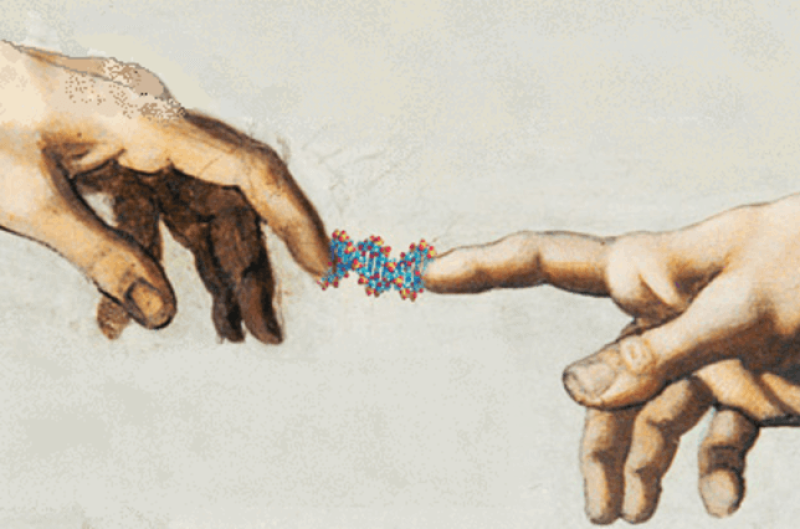
The day is rapidly approaching when many people will reproduce in the lab instead of the bedroom. Rather than pairing up with a spouse and starting a family the old fashioned way, increasing numbers of would-be parents will undergo genetic testing, select embryos with the “right” traits and have them implanted via in vitro fertilization. Consumers may have even greater control over their progeny via gene-editing tools like CRISPR, which will allow them to edit the DNA of their children before they’re born, instead of merely selecting which children will be born.
These so-called designer babies introduce a litany of incendiary ethical and scientific challenges the world may not be ready to grapple with. While novel genetic technologies enable parents to select embryos for desired traits or edit genes to eliminate diseases, they will also have a dark side. As a species, are we ready to evaluate the risks and benefits of tools that allow us to literally rewrite the fabric of humanity?
At first glance, that question may seem a bit dramatic. Embryo selection via PGD is poised to do a lot of good, like screening for often-fatal genetic disorders, reducing suffering and healthcare costs. Germline editing could likewise eradicate hereditary conditions, ensuring future generations are disease-free with precision genome edits. Proponents argue these technologies enhance individual autonomy, allowing parents to optimize health, longevity, or even traits like intelligence, potentially boosting societal productivity. The traits we could target are limited only by our own technical capabilities, which will improve with time.
But nothing’s free in this world, and critics of the technology highlight significant dangers. Germline editing is irreversible; off-target mutations could introduce new genetic diseases or undesired traits. Other ethical concerns include “slippery slopes” toward non-medical enhancements (e.g., intelligence, appearance), raising fears of eugenics and authoritarianism. For instance, choosing embryos may start merely as an option, a smart medical decision for carriers of rare genetic disorders or a novelty for wealthy couples. But how long will it be before governments begin shaming people into using PGD? It wasn’t long ago that ostensibly free countries locked their own citizens in their homes under police guard in the name of public health.
The debate pits individual freedom against societal risks. Supporters see designer babies as a medical breakthrough, while opponents fear ethical erosion and genetic discrimination. Regulatory frameworks lag behind technology, with global bans on non-therapeutic editing clashing with calls for controlled therapeutic use. Balancing innovation with caution remains the core, and perhaps insurmountable, challenge.
Join GLP founder Jon Entine and longtime contributors Jonathan Anomaly, Liza Dunn and Cameron English as they discuss the rapidly approaching designer baby revolution. Follow this link or listen to the conversation below:




‘Designer’ babies: Common sense of our scientific reality … or Gattaca? With special guest @JonathanAnomaly, senior lecturer at Duke University, join @camjenglish, @JonEntine and @DrLizaMD to discuss at 2 pm EST.https://t.co/dvD5rZD9Wx
— Genetic Literacy Project (@GeneticLiteracy) August 15, 2025
Jonathan Anomaly is the academic director of the Center for Philosophy, Politics, and Economics in Quito, Ecuador. Find Jonathan on X @JonathanAnomaly
Dr. Liza Dunn is a medical toxicologist and the medical affairs lead at Bayer Crop Science. Follow her on X @DrLizaMD
Jon Entine, founder and executive director of the Genetic Literacy Project, is an Emmy-winning investigative TV News producer and author of seven books, including three on genetics. Please follow him on X at @JonEntine
Cameron J. English is the director of bio-sciences at the American Council on Science and Health. Follow him on X @camjenglish