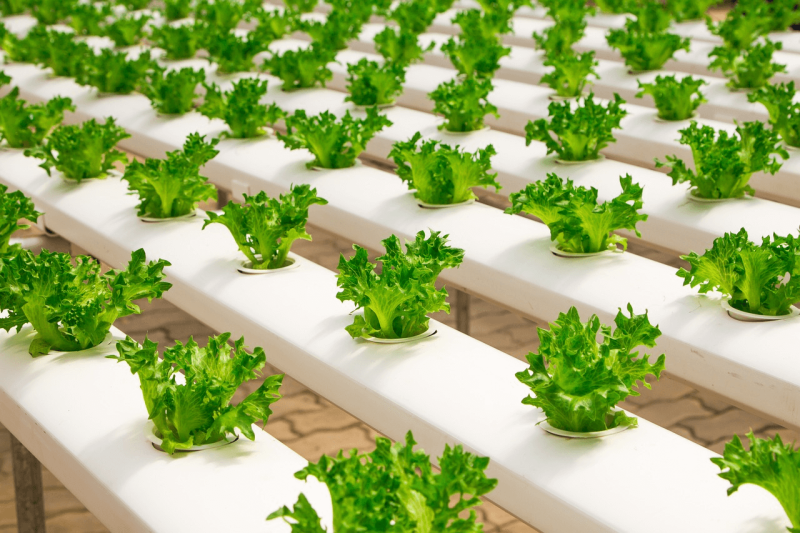

Agricultural engineering—often referred to as agri engineering—continues to be a catalyst for sustainable farming, productivity improvements, and precision practices worldwide. As global populations rise and climate change challenges intensify, the need for technology-driven, efficient and environmentally conscious agriculture engineering has never been more vital.
Today, agricultural engineering merges mechanical, electrical, civil engineering, and genetic engineering in agriculture to optimize processes from preparation and irrigation to harvesting and soil health management.
…
Genetic engineering in agriculture is driving rapid evolution toward resilient crop varieties that produce higher yields even under climate change stress. New tools like CRISPR/Cas9 gene editing allow agrarian engineers and geneticists to develop maize, rice, and other crops with drought, pest, or salt tolerance while optimizing nutritional profiles.


- Disease-resistant crops: Genetic modifications introduce defenses against endemic diseases and pests.
- Climate-smart agriculture: Drought-, flood-, and salt-resilient varieties alleviate pressure on both farmers and natural ecosystems.
- Enhanced nutrition: Biofortification brings improved vitamins, minerals, and proteins directly into staple foods.
By integrating advanced biotechnological enhancements with mechanical engineering and cultivation strategies, global yields are projected to rise by up to 20% by 2026 without further expansion of farmland. This synergy of engineering and biology sits at the core of a sustainable global food security strategy.