Asta gets mostly human-grade food (she loves Costco’s $4.99 rotisserie chicken) to complement a small amount of kibble and, of course, lots of exercise, cuddles, and necessary vet visits. She is often told (and understands) “I love you.”

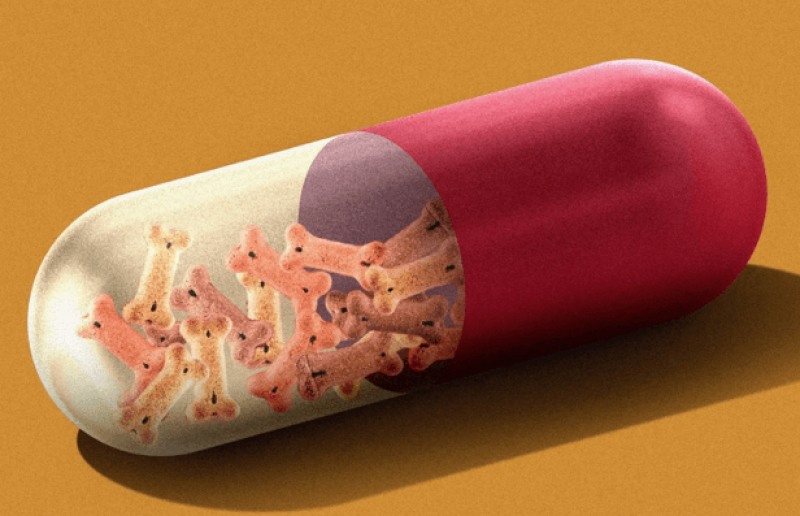
The fact that she will only be part of our lives for another 15 years or so is always in the back of my mind. But now, maybe there’s an answer to that anxiety, and it comes in the form of a pill. No, not for me — for Asta. It might not be long until we’ll have an anti-aging pill for canines.
The idea of extending a beloved pet’s life has long been a dream for dog owners. Earlier this year, a biotech start-up based in San Francisco named Loyal announced that the FDA had certified its daily pill, called LOY-002, as having a “reasonable expectation of effectiveness” in extending the lifespan of senior dogs. Although the drug is not yet available for prescription, and may not be for some time, this regulatory action marks a significant step forward in veterinary medicine.
The FDA’s Center for Veterinary Medicine must still confirm the drug’s safety and the company’s ability to manufacture it at scale before veterinarians will be able to prescribe it to eligible dogs — those 10 years or older and weighing at least 14 pounds.
Surging anti-aging science for us and our most loyal companion
This advance is not happening in isolation. The past decade has seen a surge in tech-driven ventures focused on extending human lifespans, with hundreds of million dollars in venture capital invested in longevity start-ups over the past year alone. Scientists have learned a lot about how to measure aging and about age-related diseases, but the ultimate challenge is, of course, actually slowing the aging process. One form of gene therapy known as “cellular programming” has spurred what has been dubbed a “longevity gold rush” and may soon be tested in human clinical trials.
One advantage of working with dogs is that their relatively short lifespans allow researchers to observe the effects of aging interventions more quickly than in humans. Because canines and humans have co-evolved over thousands of years, researchers believe that studying aging in dogs could ultimately yield insights into human longevity.
Although it is more feasible to do longevity testing in animals that have a shorter lifespan than humans, the process can still be lengthy and expensive. Trials of drugs or other interventions to promote longevity are notoriously difficult, as a classic cartoon illustrates: Two scientists are standing in front of a laboratory bench, and one of them says about the liquid in the flask he’s holding, “It may very well bring about immortality, but it will take forever to test it.”

Loyal’s launch
Loyal’s longevity pill will be launched under the FDA’s expanded conditional approval (XCA) pathway, which is meant for animal drugs that address an unmet medical need and require long or complex studies to accumulate the data on effectiveness needed for full approval. It allows veterinary drugs that have demonstrated safety and “a reasonable expectation of effectiveness” to enter the market while additional data are collected. The company is currently conducting trials, with some dogs receiving the actual treatment and others receiving placebo pills — both beef-flavored to appeal to canine palates.





For many dog owners, extending our pets’ lives would be the realization of a dream. A 2023 Pew Research Center survey found that 49% of American households own at least one dog, 97% of pet owners consider their animals to be family, and 51% not only consider their pets to be a part of their family but say they are as much a part of their family as a human member. Pet care spending has surged, with Americans shelling out an average of $876 per year on their pets in 2023 — an increase of 90 percent over the past decade, according to MarketWatch.
Still, concerns about accessibility and affordability remain. Loyal hopes to price their treatment at under $100 per month, making it accessible to many dog owners.
Increasing dogs’ longevity in non-pharmaceutical ways presents challenges. Studies have shown that caloric restriction can extend a dog’s lifespan, but restricting a pet’s food intake can be emotionally challenging for owners, which is why Loyal’s pill aims to mimic the metabolic benefits of caloric restriction without requiring dietary limitations.
Loyal previously received a “reasonable expectation of effectiveness” certification for another longevity drug that targets large and giant breeds, such as Great Danes and Newfoundlands. However, that treatment requires injections and is expected to take longer to reach the market.
Loyal is not alone in pursuing veterinary longevity solutions. Other biotech firms are working on pet weight-loss drugs like the human drug Ozempic. However, the approval of Loyal’s pill would represent a significant milestone in the quest to extend canine life expectancy without altering appetite or requiring major lifestyle changes.
As a physician and former FDA drug reviewer, I am cautiously optimistic about longevity drugs, but as the late New York Yankees’ catcher and philosopher Yogi Berra observed, “It’s hard to make predictions, especially about the future.” More to the point, I’ve seen unanticipated problems occur with new drugs that are in testing.
As scientific advances in prolonging longevity continue to evolve, the desire to keep our beloved canine companions by our sides for as long as possible is stronger than ever. Whether through improved nutrition, innovative care strategies, or groundbreaking pharmaceuticals, the pursuit of extending canine lifespans might soon become a reality.
This article previously ran on April, 29 2025.
Henry I. Miller, a physician and molecular biologist, is the Glenn Swogger Distinguished Scholar at the Science Literacy Project. A former research virologist, he was the founding director of the FDA’s Office of Biotechnology. Find Henry on his website: henrymillermd.org