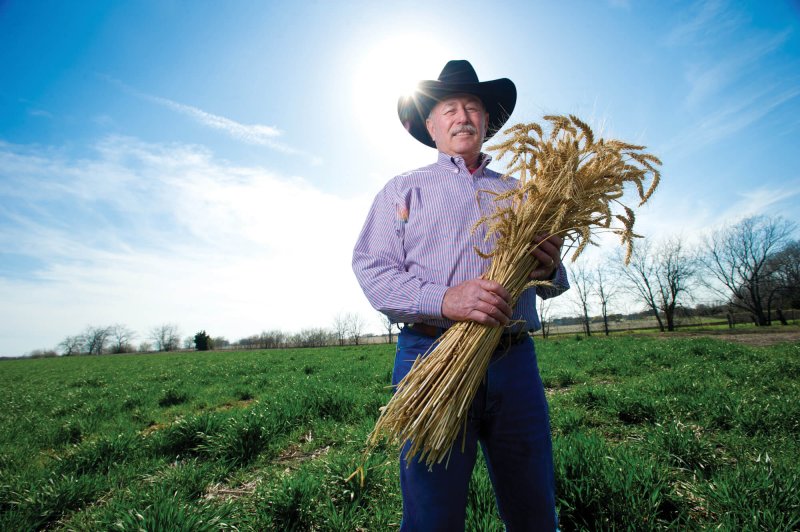
Are crops ‘doused’ with glyphosate? Wheat farmer debunks popular Roundup myths, claims sustainability benefits

da ben scholz jpg

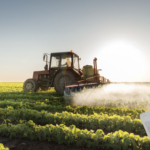
Too often, science and facts fall victim to fear mongering and emotion. Recently, we have seen an uptick in false narratives around wheat growers’ use of the herbicide glyphosate. The reality is that glyphosate, the active ingredient in many herbicide brands, including Roundup herbicide, is one of the most effective tools to combat weeds prior to planting or after wheat is harvested.

[Editor’s note: Ben Scholz is a Texas farmer and president of the National Association of Wheat Growers.]

While there are many claims about glyphosate, the tillage replacement tool has more than a 40-year history of safe use. Further, despite comments by ill-informed interest groups, farmers do not “douse” their crops with glyphosate just prior to harvest or in any application. Like all pesticides, glyphosate works best when used precisely and correctly, and it’s against the law to use it in a manner that is contrary to the U.S. Environmental Protection Agency-approved label. Farmers….don’t want to use any more than they need, because the products are costly and take time to apply.

[Glyphosate] has become a very effective and useful tool for protecting soil erosion, fertility and water quality. It has led to an increase of growers incorporating no-till farming practices into their operations.

The mechanical tillage that farmers would be required to implement without glyphosate would result in higher costs, environmental and soil degradation, and likely a less safe herbicide applied in the first place.

Read full, original article: Commentary: Farmers speak out on the facts about glyphosate

{{ reviewsTotal }}{{ options.labels.singularReviewCountLabel }}
{{ reviewsTotal }}{{ options.labels.pluralReviewCountLabel }}
{{ options.labels.newReviewButton }}
{{ userData.canReview.message }}

Related Articles

Infographic: Global regulatory and health research agencies on whether glyphosate causes cancer

Infographic: Global regulatory and health research agencies on whether glyphosate causes cancer

Does glyphosate—the world's most heavily-used herbicide—pose serious harm to humans? Is it carcinogenic? Those issues are of both legal and ...

Most Popular

Picture1
The FDA couldn’t find a vaccine safety crisis, so it buried its own research
Screenshot-2026-04-22-at-12.21.32-PM
Viewpoint: Why the retracted Monsanto glyphosate study doesn’t change the science—the world’s most popular herbicide is safe 
ChatGPT-Image-May-7-2026-12_32_36-PM
Viewpoint: The state of U.S. vaccine policy? Dismal nationally, but some states are stepping up.
placebo
Viewpoint — Alternative medicine and the placebo effect: Selling a reassuring illusion of health
_20250221_nib_rfk_trump
Viewpoint: 'Crisis of public trust': Autism support community shocked RFK continues to peddle false claims about the danger of vaccines
ChatGPT-Image-May-18-2026-01_45_05-PM-2
Newest hantavirus conspiracy: Online disinformation turns outbreak into latest ivermectin grift
Screenshot-2026-04-13-at-1.39.26-PM
Viewpoint: ‘Safer for children?’ Stonyfield yogurt under fire for deceptive organic marketing
ChatGPT-Image-May-18-2026-12_06_18-PM-2
Defying death: The immortality movement goes mainstream
Screenshot-2026-04-22-at-10.46.29-AM
Viewpoint: How to counter science disinformation? Science journalist offers 12 practical tips
glp menu logo outlined

Get news on human & agricultural genetics and biotechnology delivered to your inbox.