



Daily Food & Ag Digest

Is MSG a ‘silent killer lurking in your kitchen cabinet’? Debunking Joe Mercola’s hysterical ‘MSG can harm you’ myth
MSG has been used as a flavor enhancer for several thousand years. It is one of the key components of ...

Strawberries are often perfectly shaped, humongous and uniform — but the flavor leaves much to be desired. Genetic engineering could change that
Native strawberries have been grown in the British Isles for centuries. But the ones we eat today are the product ...

Glyphosate will be re-authorized for 15 years as safe by the European Commission, according to leaked documents
The European Commission is readying a proposal for the controversial herbicide glyphosate to receive a full stamp of approval from ...

Viewpoint: Queen of Green Social Justice or Reckless Green-Revolution Rejectionist — Who is the real Vandana Shiva?
Indian activist Vandana Shiva opposes the tools and practices of modern agriculture and science and advocates regressive policies that cause ...
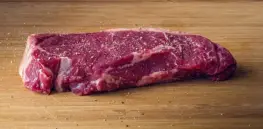
Future protein: ‘If meat-loving habits prove too hard to shift, the obvious solution is to replace meat with meat’
Globally, 80 billion animals die for our dinners each year — and a joint report by the United Nations and the ...

Rethinking sustainability: Does nutritional value of dairy products offset environmental impacts of milk production?
Researchers from Virginia Tech's School of Animal Sciences analyzed global data to better understand the holistic role of the dairy ...

Balancing economics and sustainability: What would a future without glyphosate weedkiller look like?
Ongoing public debate about glyphosate has led some to question what the impacts would be if it were no longer ...
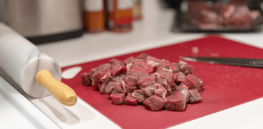
Fact checking lab-grown meat rejectionists: No, animal cells used to make cultivated meat do not cause cancer
Meat grown in labs is made using cells taken from animals, but those cells are not cancerous and there are many ...

Here are the real reasons why Greenpeace rejects genetically engineered crops even when they are more sustainable
Greenpeace was very positive about green genetic engineering in the 1980s because the environmental organization saw it as an opportunity ...

Sheep ‘burp’ methane gas, which has 80 times the warming impact of carbon dioxide. Can we genetically engineer them to be more sustainable?
Farmers are looking to reduce their greenhouse gas emissions in a weird and wonderful way: using genetically engineered, low-methane sheep ...
Viewpoint: Why food labels like ‘organic’ and ‘GMO’ are misleading and why labeling regulation reform is necessary
As biotechnology advances, consumers face a myriad of new ingredients and labels to parse through at the supermarket. These labels, ...

Reframing debate over genetically-engineered produce of the future: Here’s why Gen Z is so critical
In the case of fresh produce, advocates say [CRISPR] technology can do a number of positive things from improving taste ...
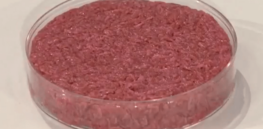
Dissecting claims that lab-grown meat can meaningfully help address climate change
One of the major drivers for businesses focusing on cultivated (or lab-grown, or cultured) meat is its potential for cleaning ...

Celiac-safe wheat? Here’s how gene editing can eliminate crop allergens
In the absence of celiac-safe wheat in the market, gluten intolerant population needs to follow a lifelong gluten-free diet to ...
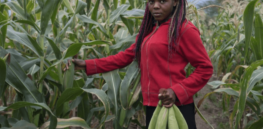
Viewpoint: African nations must take on the responsibility of developing agricultural innovations as well as benefiting from them
The Head of AUDA-NEPAD flagship biosafety programme, Samuel Edudzi Timpo, has implored African states and governments not to wait to ...

Frankenfoods? Genetically-engineered crops can be healthier and more sustainable, so why do German Greens reflexively reject them?
So far it has been practically impossible in Europe to bring genetically modified plants onto the market. The bureaucracy was high, ...
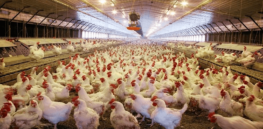
Viewpoint: With meat alternatives flourishing, ‘people might eventually look back on meat-eating much the way we view cannibalism and human sacrifice’
Guilt over eating animals amid our inability to give it up is powering the birth of a new industry: [Recently], ...

How European Union restrictions fueled anti-GMO voices and hunger in Global South, and mainly Africa
The year was 2002, and extreme hunger in Africa threatened over 15 million people ...
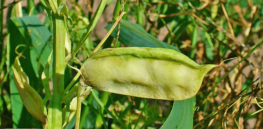
This hardy pea plant is climate-change resistant, but sometimes poisonous. Here’s how gene editing could turn it into a ‘climate crisis’ crop
It is grown in some of the world’s most inhospitable, arid regions and is noted for being rich in protein ...

Can gene editing change the public’s perception of genetic engineering, food and farming? It’s already happening, polls shows
While GMOs have been the subject of negative discourse over a long time period, it is possible that newer breeding ...
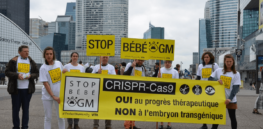
Green advocates and anti-biotechnology groups denounce European Commission-recommended proposal to relax restrictions on gene-edited crops
Organic farmers and environmental groups have denounced proposals from the European Commission to exempt some genetically engineered crops from EU legislation for genetically modified organisms (GMOs), sparking what the research sector ...

How gene editing can reduce food waste and remove allergens from Africa’s food supply
Scientists have found a new technology to extend shelf life and improve storage in food crops especially perishable vegetables like ...
Which diet is highest in ‘ultra-processed’ foods? Vegan tops list, sparking more nuanced conversation about UPFs
Veganism has the potential to promote healthy eating as people ditch meat - but the rise of ultra-processed foods (UPFs) ...

Super-efficient short ‘smart corn’ capable of denser planting gets green light from USDA
Bayer AG's genetically modified corn has received safety approval from the USDA's Animal and Plant Health Inspection Service (APHIS) ...

Viewpoint: Should there be a ban on glyphosate and other pesticides in US parks? Here’s why environmentalists and the Park Service say that would be a disaster
When last I wrote about my battle of the brush, I was losing, badly, to the invasive vines and noxious weeds ...
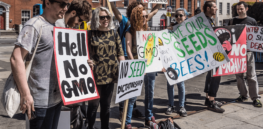
Viewpoint: Braying false concerns of critics — 30 years along, still no evidence that GMOs pose any health or safety issues
The first GMO food was approved in 1994 (a GMO tomato that is no longer on the market), so we ...
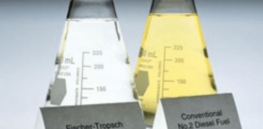
What role could GMOs play in achieving sustainable biofuel?
One of the primary benefits of using GMOs in biofuel production is the potential for increased crop yields. By engineering ...
