


Food & Ag Features
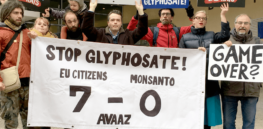
Viewpoint: Activists shift tactics on glyphosate, attacking independent European science-oversight agencies that have unanimously found the herbicide safe
Glyphosate ate the world! Every single day another serious disease, from all types of cancer to Parkinson’s, is attributed to ...
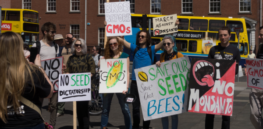
Viewpoint: Here’s how zealous environmental groups dupe politicians about the ‘widespread dangers’ of many safe and effective pesticides
Pesticides used in agriculture have long been the subject of controversy and misinformation – and the attention of regulators. Since ...

Viewpoint: Scientifically illiterate claim that aspartame causes cancer illustrates again the escalating politicization of science
If you have been in science media for any period of time, you have seen a predictable pattern; epidemiologists look ...

Viewpoint: Rejecting simplistic organic farming — Instead of worrying about which farming system is more ‘natural’, which is impossible to define, focus on sustainability
Back in 2004, Mendocino County in California hit the headlines after becoming the first county in the United States to vote ...

GLP podcast/video: Many Americans still reject evolution; should we worry? Top-10 food myths, debunked; Farmers finally growing Golden Rice
The creation-evolution debate has fallen out of the spotlight in recent years, but many Americans still reject Darwin's theory. Should ...
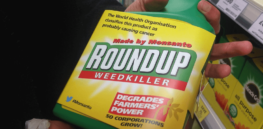
Viewpoint: Anti-glyphosate rabbit hole — Will the ethically-compromised International Agency for Cancer (IARC) lead Europe to embrace a scientifically-challenged Green Deal?
What chemicals or environmental exposures are likely to cause cancer? That’s a complex question with a wide variance in views ...

What may delay or derail the European Union’s proposed deregulation of gene-edited crops? Is there room for compromise with organic opponents?
The July proposal by the European Commission, which is the Executive arm of the European Union, to significantly liberalize not ...
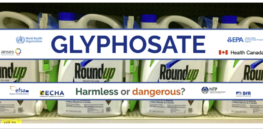
Anti-chemical activists up in arms as European Union leans toward reauthorizing use of weedkiller glyphosate. Here’s the science EU should consider
Does the controversial weedkiller Roundup, made by Bayer and marketed in generic form by more than 30 companies as glyphosate, ...
GLP podcast/video: ‘GMO’ probiotic may prevent hangovers; Surrogacy turns women into ‘children factories’? The case for drug patents
Biotech startup Zbiotics says its genetically engineered bacterium can reduce the risk of hangovers. Is there solid science behind the ...

Serotonin-boosting foods and fatty acids that can lift your mood
One in four Americans currently suffers from anxiety or depression, correlating directly to serotonin levels found in the body. Normal serotonin levels ...

Biotechnology timeline: Humans have manipulated genes since the ‘dawn of civilization’
The history of biotechnology shows how humans have been manipulating nature for our benefit for a long time—and how modern ...
GLP podcast/video: Chemophobia brings left and right together; Scientists should fight disinfo on X; Sudafed scandal explained
Why do so many people on the political left and right, who agree on almost nothing, share a deep-seated fear ...

BBC corrects its misleading educational site hyping the benefits of organic and the alleged environmental problems of GMOs
The BBC has revised misleading and factually inaccurate statements about different farming systems on its exam revision website BBC Bitesize ...

How effective and safe are current-generation pesticides?
it is important to balance risks with the benefits that pesticides provide ...

‘Quantum shift’: UK regulators replacing science-strangling ultra-precautionary crop biotech regulations to accelerate adoption of CRISPR and other precise breeding technologies
A ‘quantum shift’ by the Food Standards Agency in its planned approach to regulating gene edited food and feed products ...

6th sense? The mystery of tasting salt is so indecipherable, scientists say we have two separate systems to decode it
We’ve all heard of the five tastes our tongues can detect — sweet, sour, bitter, savory-umami and salty. But the ...

Are neonicotinoid seed treatments critical for protecting crops—or unnecessary, with potential to harm bees?
Neonicotinoids, the world’s most popular class of insecticides, have been making headlines for the last decade due to concerns that ...

Only 7 African countries commercially grow genetically engineered crops. Here’s a blueprint to unlock the continent’s enormous farm and food potential
The African continent has been home to genetically modified (GM) crops for more than 26 years, beginning in 1996 when ...
Viewpoint: Behind the curtain at the ‘Institute for Integrative Nutrition’ — Health guidance or quack advice?
Health coaching as a profession is exploding. According to a market research firm, in 2021, the industry was worth about ...
GLP podcast/video: Did COVID vaccine mandates work? AI spreads glyphosate misinfo; Africa’s ‘Green Revolution’ has failed? No
Did vaccine mandates slow the spread of COVID on college campuses? A new study says yes. AI-generated articles are already ...

Viewpoint: UK’s The Guardian fearmongers over PFAS ‘forever chemicals’
The Guardian's August 17 headline, “Drinking Water of Millions of Americans Contaminated with Forever Chemicals”, was based on newly released ...

Open letter to New York Governor Hochul: ‘The only thing the Birds and Bees Protection Act would protect are seed corn maggots’
Farmers and their allies in New York State are almost unanimous in their opposition to legislation that would sharply limit ...

Viewpoint: With meat demand expected to grow by 50% by 2050, it’s ‘immoral’ to oppose disease-resistant gene-edited animals
Gene editing research in livestock is advancing rapidly on a global basis, opening up major opportunities to improve the sustainability, ...
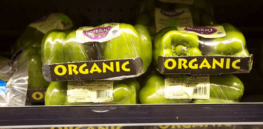
Viewpoint: Beyond marketing — Why claims that “organic = better” do not stand up to scrutiny
Is organic food, grown without synthetic chemicals, healthier than conventionally grown food? Roughly 40 percent of Americans say at least some ...

Viewpoint: As the BBC spews organic farming propaganda, the world’s poor suffer
How many people around the world are currently living in poverty? The World Bank reports that a little over 9%, ...

GLP podcast/video: ‘Industrial’ seed oils unhealthy? A mom’s guide to anti-GMO myths; Opposites actually don’t attract
Are so-called "industrial" seed oils slowly killing us? Probably not. One mom and farmer says other parents shouldn't be scared ...

Video: Are synthetic pesticides harmful to the environment and human health? Here’s a nuanced review of the science
Starting with the premise that any substance can be poisonous depending on the dose, Josh Gilder, founding partner of Reach ...
