


Health & Medicine
One of the deadliest diseases is on the rise again: Tuberculosis caused 1.6 million deaths last year alone
One of the deadliest diseases in the world is once again gaining steam. A new report this week by the ...

Can we prevent genetically-linked hearing loss as we get older? This expert offers tips
The biggest steps to protect your hearing are actually a series of small steps, according to audiologist Cory Portnuff, AuD, ...
This patient survived a dozen tumors. Here’s what we can learn from their unique immune system
A unique patient who has survived the development of a dozen tumors could hold the key to curing cancer, a ...

Are Americans too complacent about a winter surge of COVID infections — and deaths?
To the old saying about the inevitability of death and taxes, we should add another: another health crisis linked to ...

Midnight snack problem: Why does late night eating cause weight gain?
Northwestern Medicine scientists have uncovered the mechanism behind why eating late at night is linked to weight gain and diabetes ...

Viewpoint: Evidence does not support ‘plant good, animal bad’ mantra. Humans are hard-wired to eat meat
While some question whether humans are supposed to eat meat, a University of Melbourne professor in food science and human ...

Can psilocybin — the psychedelic compound in magic mushrooms — help smokers quit?
Can psychedelics help smokers quit? The National Institutes of Health wants to know the answer, and to find out, they’ve awarded ...

3D-printed organs? These self-assembling nanoparticles may help make it reality
As the human population soars and medical advances extend our lifespans, the need for organ transplants and the demand for ...

‘The Day I Die’: One man’s struggle with Lou Gehrig’s disease and physician-assisted suicide
[An excerpt] from The Day I Die: The Untold Story of Assisted Dying in America by Anita Hannig ...

‘Good’ vs ‘bad’ fat: This drug could coax our bodies into making a greater proportion of easy-to-burn fat, helping fight obesity
Obesity is a condition that can increase the risk of specific health problems, such as type 2 diabetes. There are ...

Can blue light from your phone screen damage your skin?
Blue light skin care has been entering the market as people spend more time in front of their screens. Experts ...

What’s the best time of day to exercise?
Performing moderate to vigorous activity (MVPA) in the afternoon or evening may improve blood glucose control to a greater extent ...

AI and blood poisoning: New tool could help detect sepsis before it becomes fatal
Each year in the United States, sepsis kills over a quarter million people — more than stroke, diabetes, or lung ...

51 experts weigh in on this survey on the nutritional health of the United States
Climate change was ranked the biggest threat to sustainability of food production in the U.S., with 51% of researchers ranking ...

‘Dead first’: Why American men are men more likely than Canadians, Australians and Brits to die prematurely
Whether it’s stubbornness, an aversion to appearing weak or vulnerable, or other reasons, men go to the doctor far less ...

Treatment-resistant triple-negative breast cancer disproportionately affects Black women. African genetic ancestry may explain why
Researchers in the US have found a genetic link between people with African ancestry and an aggressive type of breast ...

Viewpoint: Egg freezing is not simple, cheap or guaranteed — So why are many young women encouraged to do it?
It will give you more choices, you’re told. It will take the pressure off. It’s like an insurance policy. It ...

Gene-edited GABA-enhanced tomatoes begin shipping in Japan
This month marks the start of shipments of tomatoes that control high blood pressure, the first gene-edited food to be ...

Do you have frequent nightmares? They could foreshadow future dementia
We spend a third of our lives asleep. And a quarter of our time asleep is spent dreaming. So, for ...
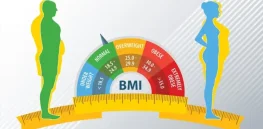
Viewpoint: Do doctors rely on BMI too much? Undue focus on weight can lead to patient distrust and delayed care
BMI surveillance is ubiquitous in medical settings and medically focused technologies. BMI is assessed at nearly every touchpoint in primary ...

10,200 nerve endings on the clitoris? More exact nerve count could make sexual wellness surgery safer
There are, in fact, an average of 10,280 nerve fibers according to a histomorphometric evaluation of the dorsal nerve of ...

Podcast: Pollution makes you fat? India approves more GMOs; Biological ‘push notifications’
Air pollution harms our health in many ways; does it also encourage obesity? Farmers in India have access to two ...

Cancer rates continue 30+ year downward trend
The American Cancer Society’s Annual Report to the Nation on the Status of Cancer showed a decline in every major ...

HeridiGene: How the world’s largest DNA-mapping study is saving lives
The world’s largest initiative to map the DNA of an entire population will benefit patients for years to come, but ...

The Song of the Cell: Oncologist Siddhartha Mukherjee’s new book explains the mystery of how the body’s smallest unit affects everything from IVF to COVID
“The Song of the Cell,” the latest work by the Pulitzer Prize-winning oncologist, recounts our evolving understanding of the body’s ...
Allergy epidemic: Up to 10% of children have food intolerances. Where did they come from?
Food allergies are becoming increasingly common, in children and in adults. Yet it’s surprisingly difficult to get a handle on ...

High blood pressure medication only works for 1 in 4 people. Genetics may help explain why
Nearly half of American adults have high blood pressure, according to the Centers for Disease Control and Prevention’s most recent ...
