Living longer: Genes set limits, but diet and exercise can extend lifespans

Credit: New York Times

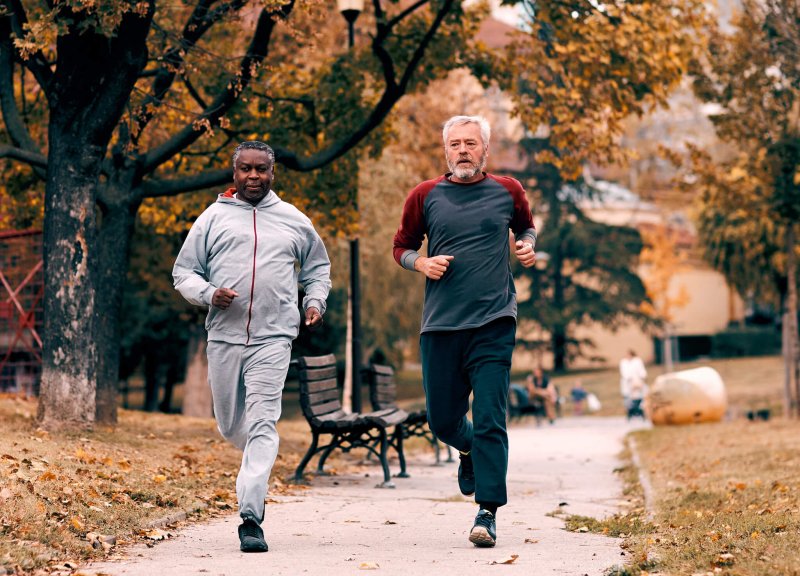
Death comes for us all. But recent research points to interventions in diet, exercise and mental outlook that could slow down aging and age-related diseases — without risky biohacks such as unproven gene therapies.

A multidisciplinary approach involving these evidence-based strategies “could get it all right,” said Valter Longo, a biochemist who runs the Longevity Institute at the University of Southern California’s Leonard Davis School of Gerontology.

There’s a debate, however, about how much we can increase our longevity. All humans share 99.9 percent of their genes. This explains why even “super-agers,” born with tiny genetic differences that promote longevity, almost never surpass 110.

Mis- and disinformation are distorting science and public policy. Subscribe to our Daily and Weekly Digests for incisive coverage of ‘disruptive’ innovations in AI, agricultural biotechnology, food, chemicals, nuclear energy, vaccines, and other disruptive innovations.

What’s clear is that certain lifestyles help individuals live longer than they otherwise would — including the genetically blessed. Harvard researchers found that healthy habits add nearly 15 years of life expectancy. “That’s over $100 trillion in health-care savings,” said Harvard biologist David Sinclair.


Not enough Americans can access healthy lifestyles, however, and we’re getting sick and dying earlier across economic levels compared with other countries. People under 65 in the richest areas of the United States have higher mortality than those in the poorest areas of Europe, according to a study published in September.


This is an excerpt. Read the original post here. 

Related Articles

Infographic: Global regulatory and health research agencies on whether glyphosate causes cancer

Infographic: Global regulatory and health research agencies on whether glyphosate causes cancer

Does glyphosate—the world's most heavily-used herbicide—pose serious harm to humans? Is it carcinogenic? Those issues are of both legal and ...

Most Popular

Strawberry Clamshell with Warning Sticker
Viewpoint: Activists hype ‘dangerous level’ of pesticide residues in Driscoll berries: Separating health concerns from fear-mongering
ChatGPT-Image-Mar-10-2026-01_39_01-PM
Viewpoint—“Miracle molecule” debunked: Why acemannan supplements don’t work
Rustic Skillet of Raw Brains
‘Weird food’? Testicle- and brain-eating, supplement-gulping MAHA health food enthusiasts defend their ‘natural’ diets
Generations United for Immunization
Police raid Guinea-Bissau offices of RFK Jr.-backed vaccine researchers, seize hepatitis B doses
Magnifying Glass Highlights NIH Logo
Latest Trump administration proposal to change NIH research grant system draws scientists’ ire
Author-Presenting-Good-Energy
'Disillusioned': Controversial RFK Jr. ally and MAHA leader Calley Means quits Trump advisory role
Screenshot 2026-10-16 at 5.38
PFAS in Agriculture: Science, Uncertainty, and Risk Communication
Screenshot-2026-10-20-at-2.25.49-PM
RFK Jr.’s anti-vaccine obsession and fear of MAHA derailed bird flu containment plan
Golden-GM-Emblem-with-EU-Stars
As Europe inches forward in its embrace of gene-edited crops, hopes abound that opposition to GMOs might fade
png_cheese_Raw_milk
100% raw milk, 100% misguided: As MAHA-fueled demand for unpasteurized milk soars, American Academy of Pediatrics renews call for a ban on its sale and distribution
Nutrition and Supplements Infinity Collage
Drugs and supplements can extend life and five other longevity myths
Diet Soda with Measuring Tape 2
Science challenges anti-soda activists: No, sodas won’t make you fat
Screenshot-2026-10-19-at-12.04.51-PM
Victims of their own success: As memories of killer diseases fade, vaccine rejectionism soars
glp menu logo outlined

Get news on human & agricultural genetics and biotechnology delivered to your inbox.