


Science Literacy Project Daily Digest
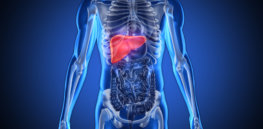
If you lose any of these 7 organs, you’ll probably be OK
The human body has dozens of organs, with some clearly more critical than others. But there are several you can ...

First alien life forms we encounter could well be robots
[T]he first aliens we encounter are likely to be machines, and they’ll be almost unimaginably old. Susan Schneider of the ...

Video: How gene editing could help Kenyan farmers combat crop disease
In Kenya, maize lethal necrosis disease (MLND) has plagued crops and affected yields to the point where food security has ...

Preserved fatty tissues found in 48-million-year-old bird fossil
[R]esearchers have confirmed that fatty tissues were still identifiable in the partial fossil of a 48-million-year-old bird. The new research hints ...

Viewpoint: Anti-pesticide activists exploit chemical testing technology to scare public
One religious group forecast an apocalypse a few weeks ago. They used the Bible as their source. More recently, a newer religion ...

Could MRI brain scans prove you’re innocent?
Lie detection using a functional MRI machine, which measures and creates an image of brain activity, is a topic of ...

Plant growth genes identified that could lead to increased crop yields
Scientists say the discovery of a group of hormones in plants could revolutionise food production by improving yields. The Universities ...

Dow to sell new variety of GMO soy seeds in US despite no import approval from Europe, China
Dow AgroSciences will launch a genetically engineered soybean seed that has been barred by major importers under tight controls in ...

Activist case that glyphosate herbicide causes cancer mired in scandal
A perfectly useful herbicide could be banned in Europe thanks to a tangled network of lobbyists, lawyers and activists. … ...

Growing cancer drugs in chicken eggs could lower costs by 90%
Researchers in Japan may have found a way to produce cheaper drugs that could be used to treat a range ...

Genetics account for 83% of autism risk, re-do study finds
A reanalysis of data from more than 2 million children in Sweden suggests inherited genetic factors account for 83 percent ...

Why we shouldn’t be afraid of human gene editing
[Editor's note: Dave Gammon is an associate professor of biology at Elon University.] Many feel a visceral dread that scientists ...

Modeling human tumors in mice can be problematic—here’s why
[A] new study [read full study] suggests that an unfortunate side effect of ... evolutionary changes is that human tumors are ...

Pro fighters monitored to shed light on early signs of trauma-induced brain damage
Researchers have enrolled close to 700 mixed martial arts fighters and boxers, both active and retired, in the past six years ...

IARC bombshell: WHO cancer agency ‘edited out’ draft findings glyphosate non-carcinogenic
The World Health Organization's cancer agency dismissed and edited findings from a draft of its review of the weedkiller glyphosate ...

‘Ecological Armageddon’? Three-quarters of flying insects in Germany vanished in 25 years, study claims
The abundance of flying insects has plunged by three-quarters over the past 25 years, according to a new study.... Insects ...

Viewpoint: ‘Clean eating’ is pseudoscience
[Editor's note: Dr. Steven Novella is an academic clinical neurologist at Yale University School of Medicine.] Eating “clean” is the ...

Bayer to allow public access to pesticide safety information
[Editor's note: Adrian Percy is the Global Head of Research and Development for Crop Science, a Division of Bayer.] After ...

When does life begin? Here are 17 points in time to consider
The US Department of Health and Human Services has taken the official position that life begins at conception. Here's a ...

Ethiopia’s successful GMO cotton field trials prompt move towards commercialization
As [indicated by reports released by] Ethiopian Institute of Agricultural Research (EIAR), [Ethiopia's] field trial towards Bt cotton has now ...

Bipartisan group of 79 congressmen urge EPA, FDA to streamline agricultural biotech regulations
In a letter to three federal agency heads on Tuesday, a group of 79 bipartisan members of the United States ...

Why ChemChina’s Syngenta takeover doesn’t mean China will quickly embrace GMO crops
The head of one of China’s biggest chemicals companies has played down expectations the country will become more open to ...
Could artificial intelligence, machine learning help detect sepsis early?
Driven by the nation’s aging population, the rise of drug-resistant bacteria, and the growth of medical interventions, sepsis has become ...
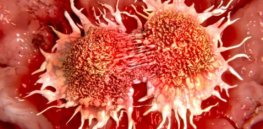
Should cancer be treated based on what part of the body it attacks—or its genetic make-up?
[D]octors have organized their notions of cancer according to that fundamental principle of real estate: location, location, location. Oncologists often ...

Born to exercise? ‘Fitness’ genes may help lower breast cancer risk
A growing number of studies show that exercise offers protection against breast cancer. Research on mice suggests that some of ...

Viewpoint: Overly strict human gene-editing regulations let patients suffer and die
[Editor’s note: Henry Miller is a physician and molecular biologist, and a Fellow in Scientific Philosophy and Public Policy at Stanford University’s Hoover Institution. He ...

Will EPA’s new restrictions on dicamba herbicide quell drift problems?
On the back of drift complaints, the filing of class-action lawsuits and, most recently, new EPA requirements for dicamba-tolerant crops, Monsanto continues to ...
